Best Foods to Boost Fertility Naturally: Our Diet
When my wife and I decided to start trying for a baby, one of the first things we changed was our diet. We knew that what we put into our bodies mattered — not just for our general health, but for our fertility too.
We didn’t follow any extreme diet plan or buy expensive supplements. Instead, we focused on simple, wholesome, home-cooked meals packed with nutrients that support reproductive health. Within 3-4 months of making these changes (along with other lifestyle adjustments), we conceived our daughter.
In this post, I’ll share the exact foods we included in our diet, what we avoided, and practical tips that made healthy eating sustainable during our trying-to-conceive journey. These aren’t recommendations from a textbook — they’re what actually worked for us.
Why Food Matters for Fertility
Before diving into specific foods, it’s worth understanding why nutrition plays such an important role in conception.
According to the National Institute of Child Health and Human Development, a balanced diet rich in certain nutrients can support hormone regulation, improve egg and sperm quality, and create an optimal environment for conception. For women, nutrients like folate, iron, and antioxidants are crucial. For men, zinc, omega-3 fatty acids, and antioxidants support sperm health.
The landmark Harvard Nurses’ Health Study, which followed over 17,000 women, found that those who followed a ‘fertility diet’ — rich in plant proteins, whole grains, healthy fats, and iron — had a 66% lower risk of ovulatory infertility and a 27% reduced risk of infertility from other causes.
Our doctor’s advice was simple: eat healthy, minimize caffeine, avoid oily and sugary foods, and focus on home-cooked meals. No complicated instructions — just real, nutritious food.
Our Daily Fertility Diet
Let me walk you through what a typical day of eating looked like for us during our trying-to-conceive period.
Morning: Nuts, Fruits, and Green Tea
We started each day with soaked nuts (usually almonds and walnuts that had been soaking overnight), seasonal fruits, and a cup of warm green tea. This light start gave us energy without feeling heavy.
A bit later, we’d have bread with eggs. My husband typically had 1-2 whole eggs plus 2 egg whites (he needed more protein due to his larger build), while I had a more balanced portion.
Midday: Rice, Vegetables, and Protein
Lunch was usually rice with vegetables and some protein. We focused on leafy greens like spinach and kale, along with other vegetables like broccoli.
Here’s where our preferences differed slightly: my husband loved raw salads and ate a lot of them. I preferred my vegetables boiled or lightly sautéed in cold-pressed olive oil or butter. Both approaches work — the key is eating plenty of vegetables however you enjoy them.
Afternoon Snacks: Simple and Wholesome
When we needed something to munch on, we kept it simple: boiled and seasoned potatoes, a glass of mildly sweet lassi (yogurt drink), or some additional fruits. Nothing packaged, nothing processed.
Dinner: Light and Early
We made it a point to eat dinner at least 2 hours before bedtime to ensure proper digestion and better sleep. A typical dinner included corn pasta, grilled salmon, a boiled egg, and a glass of plain milk.
Keeping dinner lighter helped us sleep better — and quality sleep is crucial when you’re trying to conceive (more on that in our post about how stress affects fertility).
Best Foods for Fertility: What We Ate
Here’s a breakdown of the fertility-boosting foods we focused on, organised by category.
Proteins
Eggs: A daily staple for both of us. Eggs are rich in choline, protein, and healthy fats that support hormone production. My husband had more (1-2 whole eggs + 2 whites) due to his higher protein needs.
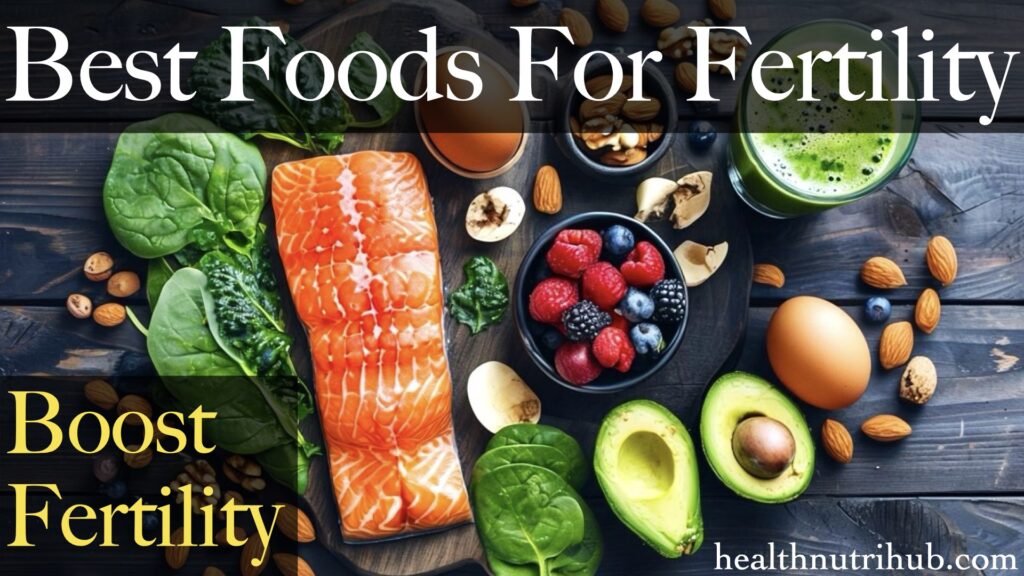
Salmon: Our go-to fish. Salmon is packed with omega-3 fatty acids, which support hormone balance and improve sperm quality in men. We had it grilled, usually 2-3 times per week.
Chicken Breast: Lean protein without excessive fat. We kept it simple — grilled or boiled with light seasoning.
Vegetables
Leafy Greens: Spinach, kale, and other greens are rich in folate, which is essential for preventing birth defects and supporting early pregnancy. I made sure to include these daily.
The CDC recommends that women trying to conceive consume 400 micrograms (mcg) of folic acid daily. Leafy greens like spinach provide approximately 58mcg per cup (raw), making them an important natural source alongside supplements.
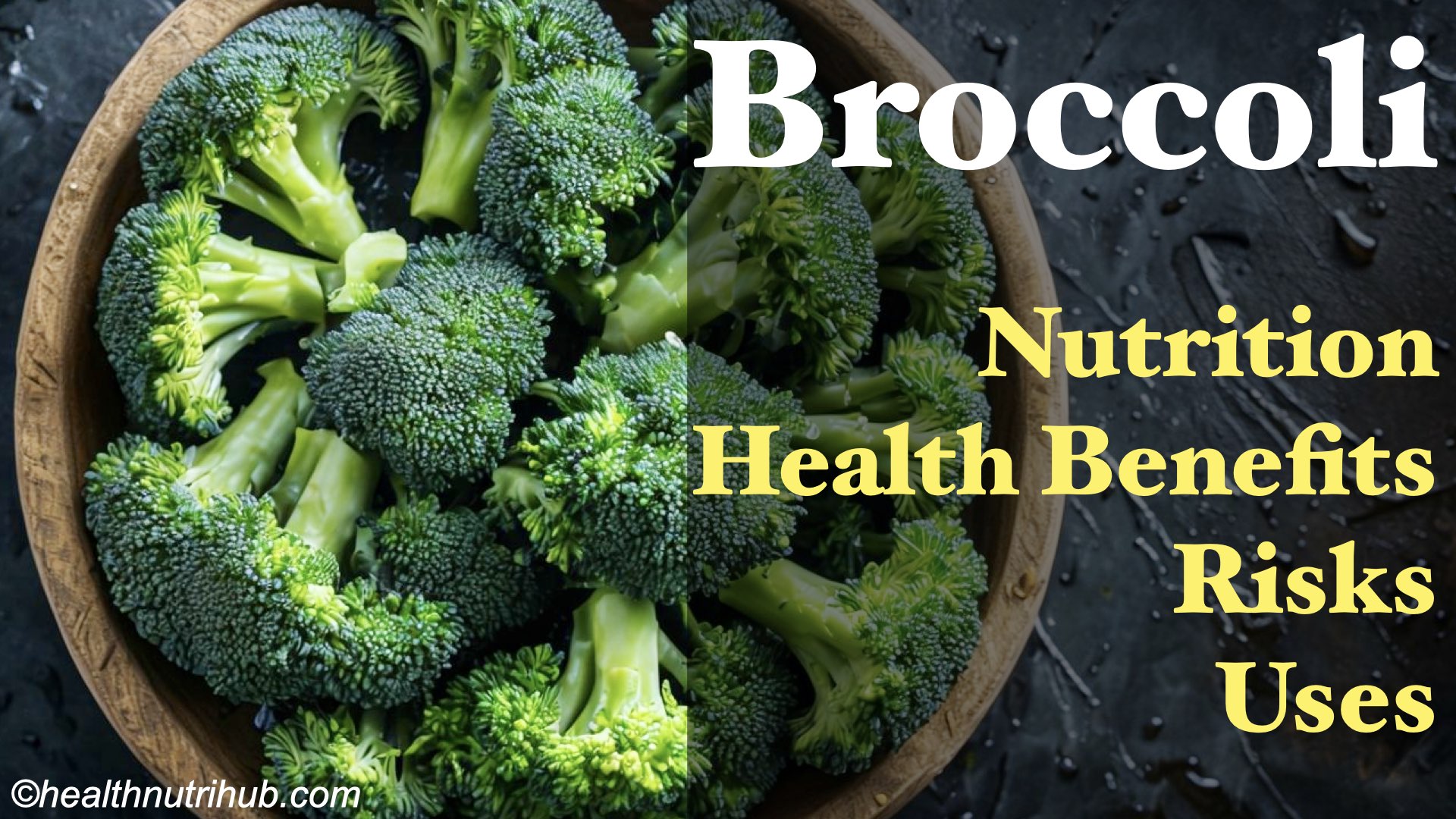
Broccoli: Another folate-rich vegetable, plus it’s high in vitamin C and fiber. We usually had it boiled or steamed. Check out our detailed guide on broccoli’s health benefits.
Other Vegetables: We included a variety of seasonal vegetables, mostly boiled with light seasoning to preserve nutrients. The key was variety and consistency.
Fruits and Berries
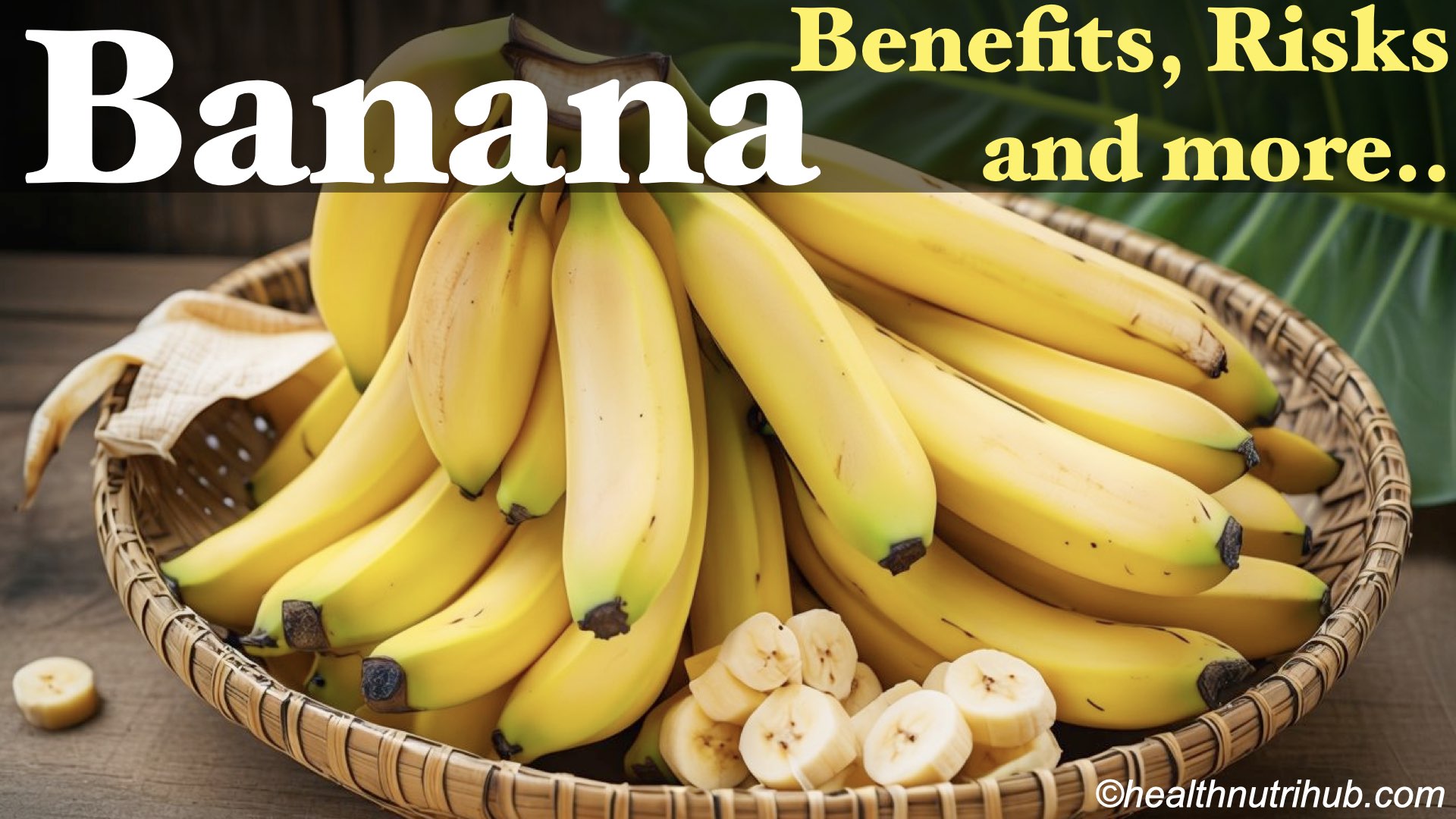
Seasonal Fruits: We ate whatever was fresh and in season. Fruits provide natural sugars, fiber, and antioxidants without the downsides of processed sweets. Bananas were a regular choice for their potassium and energy boost.
Berries: Blueberries and other seasonal berries became our favorite snacks. They’re loaded with antioxidants that protect eggs and sperm from oxidative damage.
Nuts and Seeds
Walnuts and Almonds: These were daily non-negotiables. We soaked them overnight for better absorption. Almonds are rich in vitamin E and healthy fats, while walnuts contain omega-3s that benefit sperm health.
A 2012 study published in Biology of Reproduction found that men who ate 75 grams of walnuts daily for 12 weeks showed significant improvements in sperm vitality, motility, and morphology compared to men who avoided tree nuts.
Seeds: We added pumpkin seeds, chia seeds, and flaxseeds to our diet. These are excellent sources of zinc, omega-3s, and fiber. We’d sprinkle them on salads or add them to smoothies.
Beverages
Water: Staying hydrated was a priority. We made sure to drink sufficient water throughout the day. It sounds basic, but proper hydration supports every bodily function, including reproduction.
Green Tea: One cup of warm green tea in the morning replaced multiple cups of coffee. It has antioxidants and much less caffeine.
Plain Milk: A glass of milk (nothing added) at night provided calcium and protein. Simple and effective.
Lassi: This yogurt-based drink was a refreshing afternoon option. It’s probiotic-rich, which supports gut health and nutrient absorption.
Foods to Avoid When Trying to Conceive
Knowing what to eat is only half the equation. Here’s what we consciously reduced or eliminated from our diet:
Processed Foods: We drastically reduced anything that came in a package. Processed foods often contain preservatives, excessive sodium, and unhealthy fats that can interfere with hormone balance.
Sugar and Refined Sugar: We minimised sugar intake significantly. No refined sugar at all. When we needed sweetness, we relied on natural sources like fruits.
Oily and Fried Foods: We stopped frying food entirely. Everything was boiled, grilled, steamed, or lightly sautéed in healthy fats like olive oil or butter.
Caffeine: I eliminated caffeine almost completely. My husband reduced it to one cup of coffee on some mornings when he had important meetings. Our doctor specifically advised minimising caffeine.
Cold Drinks and Sodas: These were completely off the table. No cold drinks of any kind — they offer no nutritional value and are loaded with sugar or artificial sweeteners.
Eating Out: We almost stopped eating outside entirely. When we occasionally did, it was only from reliable places where we trusted the hygiene and cooking methods. This ensured we controlled what went into our food.
Fertility Foods: Men vs Women
While most of our diet was the same, there were some differences based on our individual needs:
For my husband (father): He focused on higher protein intake, ate larger portions (he’s taller and heavier), consumed lots of raw salads, and prioritised zinc-rich foods like nuts and seeds for sperm health.
For me (mother): My diet was more balanced with moderate portions. I preferred cooked vegetables over raw. Additionally, my doctor recommended multivitamins for expecting mothers, which I started taking during this period.
Practical Tips That Made Healthy Eating Easier
Cook at home: This was our biggest change. Home cooking gave us complete control over ingredients, oil usage, and portion sizes. It also saved money.
Eat early dinner: Having dinner at least 2 hours before bed improved our sleep quality dramatically. A light stomach means better rest.
Soak nuts overnight: This simple step makes nuts easier to digest and improves nutrient absorption. We’d soak almonds and walnuts each night for the next morning.
Keep healthy snacks ready: Having boiled potatoes, fruits, or nuts readily available prevented us from reaching for unhealthy options when hungry.
Don’t aim for perfection: We weren’t perfect every single day. The goal was consistency over time, not obsessing over every meal. One occasional deviation doesn’t ruin anything.
Final Thoughts
Changing our diet to boost fertility wasn’t about following a strict regimen or buying special foods. It was about returning to basics — wholesome, home-cooked meals made with fresh ingredients.
The foods we ate supported our bodies, gave us energy, and probably helped us conceive within a few months. But beyond fertility, these dietary changes made us feel better overall. We slept better, had more energy, and felt healthier.
If you’re trying to conceive, I encourage you to look at your diet not as a temporary fix, but as the foundation of a healthier lifestyle — one that will serve you through pregnancy, parenthood, and beyond.
Frequently Asked Questions
What are the best foods to eat when trying to conceive?
Focus on whole, nutrient-dense foods: leafy greens (spinach, kale), lean proteins (eggs, salmon, chicken), nuts and seeds (walnuts, almonds, flaxseeds), fruits, and whole grains. These provide folate, zinc, omega-3s, and antioxidants that support fertility in both men and women.
What foods should I avoid when trying to get pregnant?
Avoid or minimise processed foods, refined sugar, fried and oily foods, excessive caffeine, cold drinks and sodas, alcohol, and foods with preservatives. These can interfere with hormone balance and reduce fertility.
How much caffeine is safe when trying to conceive?
Most doctors recommend limiting caffeine to 200mg per day (about one cup of coffee) or eliminating it entirely. We minimised caffeine — I stopped almost completely, and my husband had only occasional coffee during important mornings.
Are supplements necessary for fertility?
It depends on your individual situation. My doctor recommended multivitamins for expecting mothers for me, but my husband didn’t take any supplements during our first year of trying. A balanced diet can provide most nutrients, but consult your doctor for personalised advice.
Do men need to change their diet for fertility?
Yes! Male diet directly affects sperm quality and count. Men should focus on protein, zinc-rich foods (nuts, seeds), omega-3 fatty acids (salmon, walnuts), and antioxidants while avoiding processed foods, excessive alcohol, and too much caffeine.
How long before trying to conceive should I change my diet?
Ideally, start eating healthier at least 2-3 months before trying to conceive. This gives your body time to absorb nutrients and improve egg and sperm quality. However, it’s never too late to start making healthier choices.
Is it okay to eat fish when trying to get pregnant?
Yes, fatty fish like salmon are excellent for fertility due to their omega-3 content. However, avoid high-mercury fish like shark, swordfish, and king mackerel. We mostly ate salmon, which is low in mercury and high in beneficial nutrients.
Disclaimer
This article is based on personal experience and general information. It is not a substitute for professional medical advice, diagnosis, or treatment. Always consult your doctor, midwife, or qualified healthcare provider with any questions about your health or pregnancy.
Related Articles
Existing Posts (linked in article):
- Spinach: Nutrition, Health Benefits, Risks & Uses
- Top 11 Health Benefits of Spinach
- Broccoli: Nutrition, Health Benefits, Risks & Uses
- Kale: Nutrition, Health Benefits, Risks & Uses
- Top 10 Health Benefits of Green Tea
- Top 10 Health Benefits of Blueberries
- Almonds: Top 10 Amazing Health Benefits
- Banana: Nutrition, Benefits, Risks & Quick Recipes