How to Prepare Your Body for Pregnancy: A Complete Guide
When my husband and I decided we were ready to start a family, we knew we wanted to do everything we could to prepare our bodies for pregnancy. We were both working professionals — software engineers living in Europe — with busy lives and demanding schedules. We couldn’t just leave it to chance.
So we got intentional. We changed our diet, established exercise routines, managed our stress, and made our health a priority. It wasn’t always easy, but it was worth it. About four months after making these changes, we conceived our daughter.
This guide brings together everything we learned and did to prepare our bodies for pregnancy. It’s based on our real experience, our doctor’s advice, and research-backed information. Whether you’re just starting to think about having a baby or you’re already actively trying, I hope our journey helps you prepare for yours.
Why Prepare Your Body for Pregnancy Matters
You might wonder: do I really need to prepare? Can’t I just stop contraception and see what happens?
You can — and many people do. But there are good reasons to prepare your body before trying to conceive:
Better chances of conception: A healthy body is more likely to conceive. Research from the American Society for Reproductive Medicine shows that lifestyle factors like diet, exercise, weight, and stress can significantly impact fertility in both women and men.
Healthier pregnancy: The habits you build before pregnancy carry into pregnancy. Women who enter pregnancy at a healthy weight, with good nutrition, and with healthy habits tend to have fewer complications.
Healthier baby: The first weeks of pregnancy are critical for fetal development — often before you even know you’re pregnant. Having good nutrition (especially folic acid) and avoiding harmful substances from the start gives your baby the best foundation.
According to the Centers for Disease Control and Prevention (CDC), planning and preparing for pregnancy is one of the best things you can do to improve your chances of having a healthy baby. They call this “preconception health” — and it applies to both partners.
Our First Step: Visiting the Doctor
The first thing we did when we decided to try for a baby was visit a gynecologist. This was our first pregnancy, and we wanted professional guidance from the start.
The doctor’s advice was reassuring and straightforward:
- Try naturally for at least one year before worrying about any fertility concerns
- Avoid alcohol and cigarettes (fortunately, my husband doesn’t drink or smoke)
- Stay active and eat well
- Start taking prenatal multivitamins (for me)
The doctor didn’t recommend any special tests or treatments at this stage. The focus was entirely on natural conception through a healthy lifestyle.
My recommendation: Even if you’re healthy, a preconception checkup is valuable. Your doctor can review your medical history, check if your vaccinations are up to date, discuss any medications you’re taking, and give personalized advice based on your situation.
Start Prenatal Vitamins Early
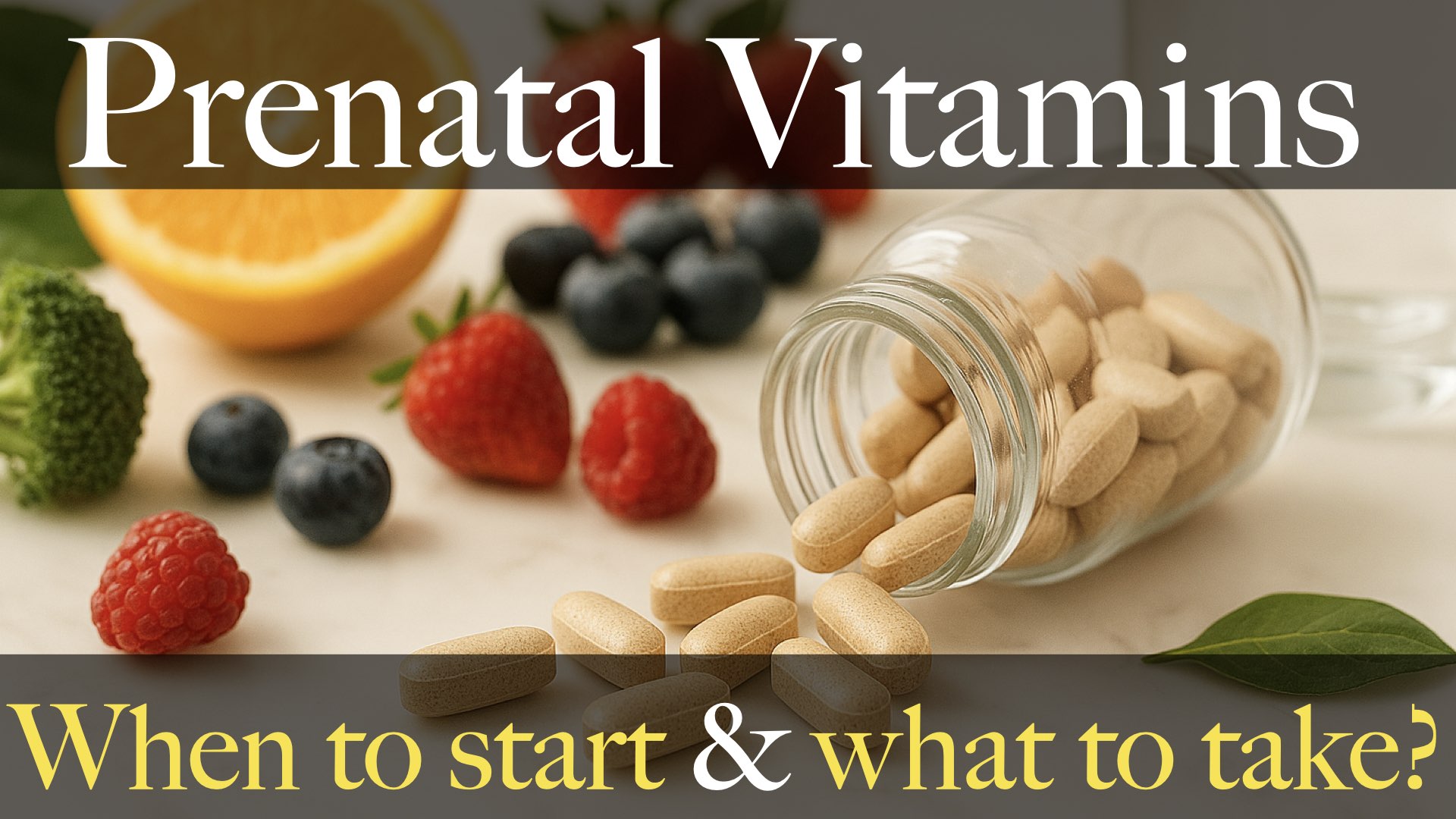
Based on my doctor’s recommendation, I started taking prenatal multivitamins about four months before we conceived. This is one of the most important steps in preparing for pregnancy.
The most critical nutrient is folic acid. The CDC recommends that all women planning pregnancy take at least 400 micrograms of folic acid daily. Folic acid helps prevent neural tube defects, which develop in the first 28 days of pregnancy — often before you know you’re pregnant.
My prenatal vitamin contained folic acid plus a comprehensive range of vitamins and minerals: B vitamins, vitamin D, vitamin C, iron, zinc, iodine, and more.
I continued taking prenatal vitamins throughout pregnancy and for six months after giving birth, especially since I was breastfeeding.
For a detailed breakdown of prenatal vitamins — what to look for, when to take them, and my experience with side effects — read our complete guide on prenatal vitamins: when to start and what to take.
Eat for Fertility
One of the biggest changes we made was to our diet. We stopped eating junk food entirely for several months and focused on wholesome, home-cooked meals.
What We Ate
Our diet centered around:
- Protein: Eggs, salmon, chicken breast
- Vegetables: Leafy greens (spinach, kale), broccoli, and seasonal vegetables — mostly boiled with light seasoning
- Fruits and berries: Seasonal fruits and berries for antioxidants
- Nuts and seeds: Almonds, walnuts (soaked overnight), pumpkin seeds, chia seeds, flaxseeds
- Beverages: Water, green tea, plain milk, lassi
- Grains: Rice, corn pasta, bread
What We Avoided
- Processed foods and packaged foods
- Foods with preservatives
- Refined sugar and sugary drinks
- Fried and oily foods
- Excessive caffeine (I eliminated it almost completely; my husband had occasional coffee)
- Alcohol (we’re non-drinkers, but this is crucial for those who drink)
- Eating out (we cooked almost everything at home to control ingredients)
For a complete breakdown of our fertility diet with specific meal ideas, read our detailed guide on the best foods to boost fertility naturally.
Exercise Regularly — But Don’t Overdo It
We made exercise a consistent part of our routine, but we approached it differently based on our individual needs.
My Exercise Routine
For me, the focus was on gentle, consistent movement:
- Home workouts (about 45 minutes) — yoga, stretching, light exercises
- Breathing exercises and meditation
- Daily walks with my husband
Research supports moderate exercise for female fertility. Intense, excessive exercise can actually disrupt hormones and ovulation, so balance is key.
My Husband’s Exercise Routine
My husband was more active:
- Morning yoga and meditation
- Bodyweight exercises (push-ups, squats)
- Running
- Some weight training
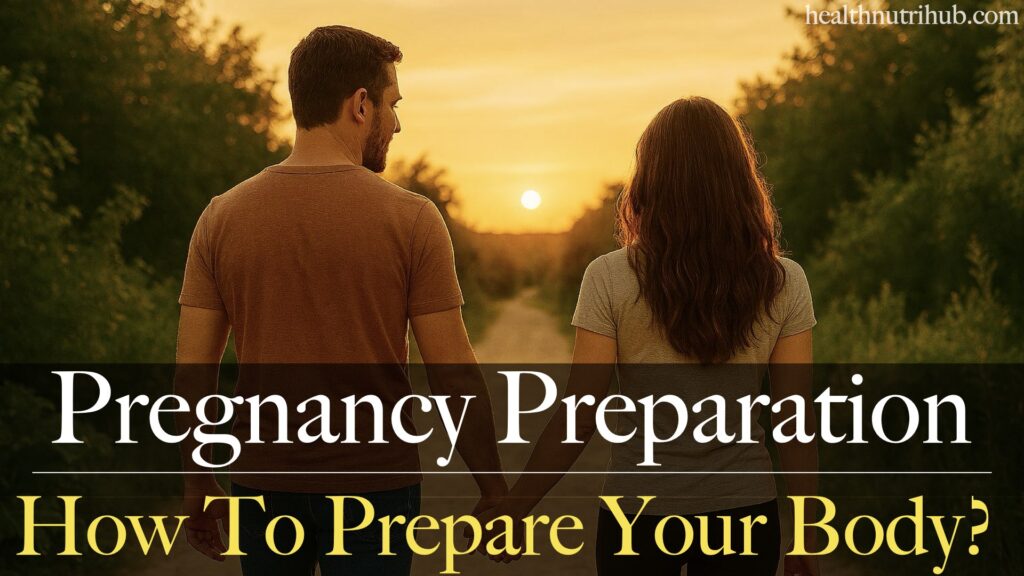
Daily Walks Together
Previously, we walked every second or third day. Once we started preparing for pregnancy, we made it a daily habit — at least one hour every evening.
These walks became more than exercise. We’d talk, discuss our day, sit on benches, watch ducks in the stream, and enjoy nature together. It was exercise, stress relief, and relationship time all in one.
Manage Stress — This Was Crucial for Us
As working professionals with demanding jobs, stress management was essential. Stress doesn’t just make you feel bad — it can actually affect your fertility by disrupting hormones in both women and men.
We experienced this firsthand. Before we got intentional about stress management, we noticed sleepless nights, unnecessary irritation, and a general feeling of being “on edge.” Not exactly the ideal environment for conceiving.
What We Did to Reduce Stress
- No stretched working hours: Work ended when it should. Evenings were protected.
- Avoiding unnecessary conflicts: We stepped back from draining arguments and debates.
- More time together: My husband started spending more time with me — without us ever discussing it. It helped both of us.
- Daily meditation and breathing exercises: Part of our morning routine.
- Daily walks: Our evening walks helped us decompress and connect.
- A short vacation: Even a few days away from routine helped refresh our minds.
For a deep dive into stress and fertility, including the research behind it, read our post on how stress affects fertility and what to do about it.
Prioritise Sleep
Quality sleep became a priority for both of us. We aimed for 7-8 hours every night and made changes to ensure our sleep was actually restful:
- No screen time after work hours
- Phones kept away from the bed, on silent
- Darker bedroom
- Reading books instead of scrolling screens
- Fixed sleep schedule — early to bed, early to rise
- Early dinner (at least 2 hours before bed)
My husband, with his active exercise routine, was tired enough to sleep like a baby for 8 hours. Having a proper routine helped both of us get consistent, quality rest.
Don’t Forget: Your Partner Matters Too
Preparing for pregnancy isn’t just the woman’s responsibility. Male factors contribute to about 40-50% of infertility cases, so your partner’s health matters just as much.
My husband made all the lifestyle changes alongside me — diet, exercise, sleep, stress management. The only difference was that he didn’t take prenatal vitamins (those are formulated for women). He did take vitamin D, which is common in Finland due to limited sunlight.
Our doctor didn’t recommend any specific supplements for him during the first year of trying — just healthy lifestyle. And it worked.
For everything my husband did to prepare, read our detailed guide on male fertility: how partners can prepare.
Environmental Considerations
Beyond personal habits, we also made some environmental changes:
- Avoided plastic containers: We stopped using plastic for food and drinks. Some plastics contain chemicals that can disrupt hormones.
- Ate organic: We chose organic food when possible to minimize pesticide exposure.
- Created a positive home environment: We started keeping fresh flowers at home — a small thing that lifted our mood.
How Long Did It Take?
With all these changes in place, we conceived in about four months. Our doctor had said to try naturally for at least a year before worrying, so four months felt like a blessing.
I can’t say which specific change made the difference — it was likely the combination of everything working together. What I can say is that the preparation period wasn’t wasted time. We felt healthier, slept better, had more energy, and built habits that continued to serve us through pregnancy and into parenthood.
All Our Lifestyle Changes: A Summary
For a comprehensive overview of every lifestyle change we made — diet, exercise, sleep, stress management, and more — read our guide on lifestyle changes to improve fertility.
Final Thoughts
Preparing your body for pregnancy isn’t about perfection. It’s about being intentional — making choices that support your health and create the best environment for conception and a healthy pregnancy.
For us, the key changes were:
- Starting prenatal vitamins early
- Eating whole, home-cooked foods and avoiding junk
- Exercising regularly but moderately
- Prioritizing sleep
- Managing stress intentionally
- Making it a team effort — my husband prepared his body too
These changes didn’t just help us conceive. They made us healthier, brought us closer as a couple, and prepared us for the journey of pregnancy and parenthood.
If you’re thinking about starting a family, I encourage you to start preparing now. Your future self — and your future baby — will thank you.
Frequently Asked Questions
How long before trying to conceive should I start preparing?
Ideally, start preparing 2-3 months before trying to conceive. This gives your body time to benefit from nutritional changes, build up folic acid stores, and establish healthy habits. I started prenatal vitamins 4 months before we conceived. The earlier you start, the better, but it’s never too late to begin.
What is the most important thing to do when preparing for pregnancy?
Starting prenatal vitamins, especially folic acid (400+ µg daily), is often considered the single most important step. Folic acid helps prevent serious birth defects that develop in the first weeks of pregnancy. Beyond that, maintaining a healthy diet, regular exercise, adequate sleep, and stress management all contribute to fertility and a healthy pregnancy.
Do I need to see a doctor before trying to get pregnant?
While not mandatory, a preconception checkup is recommended. Your doctor can review your medical history, ensure vaccinations are current, discuss any medications, and provide personalized advice. We visited a gynecologist when we decided to try, and the guidance was valuable and reassuring.
How long does it usually take to get pregnant?
For healthy couples under 35, about 80% conceive within one year of trying. We conceived in about 4 months. Every couple is different. If you haven’t conceived after 12 months of trying (or 6 months if over 35), consult a healthcare provider.
Does my partner need to prepare too?
Absolutely. Male factors contribute to 40-50% of infertility cases. Your partner should focus on healthy diet, regular exercise, adequate sleep, stress management, avoiding alcohol and smoking, and limiting caffeine. My husband made all the same lifestyle changes I did, and we believe it helped us conceive.
Should I stop drinking coffee when trying to conceive?
You don’t necessarily need to stop completely, but limiting caffeine is recommended. Most doctors suggest keeping caffeine under 200mg per day (about 1-2 cups of coffee). I eliminated caffeine almost entirely, and my husband reduced his to occasional cups. High caffeine intake has been associated with longer time to conception.
What lifestyle changes have the biggest impact on fertility?
The most impactful changes include: quitting smoking and alcohol (if applicable), maintaining healthy weight, eating a nutrient-rich diet, exercising moderately, managing stress, and getting enough sleep. Research shows that lifestyle factors can account for nearly 50% of infertility cases, meaning these changes can significantly improve your chances.
Is it okay to exercise when trying to get pregnant?
Yes, moderate exercise is beneficial for fertility. Activities like walking, yoga, swimming, and light strength training support overall health and hormone balance. However, excessive intense exercise can disrupt ovulation in women. The key is consistency with moderate activity rather than intense workouts.
Disclaimer
This article is based on personal experience and general information. It is not a substitute for professional medical advice, diagnosis, or treatment. Always consult your doctor, midwife, or qualified healthcare provider with any questions about your health or pregnancy.
Related Articles in Our Pregnancy Hub
Hub Pages:
Trying to Conceive Series:
- Best Foods to Boost Fertility Naturally
- Prenatal Vitamins: When to Start and What to Take
- Lifestyle Changes to Improve Fertility
- Male Fertility: How Partners Can Prepare
- How Stress Affects Fertility and What to Do About It
Related Health Articles:
- Spinach: Nutrition, Health Benefits, Risks & Uses
- Top 10 Health Benefits of Green Tea
- Almonds: Top 10 Amazing Health Benefits
- Morning Routine: Top 21 Steps for a Productive Day