Babyproofing: An Actual Month-by-Month Timeline
Key takeaways
- Experts recommend babyproofing before your baby is actually mobile — around 4 months — rather than reacting once they start moving.
- Rolling typically starts around 4-6 months, sitting around 7-9 months, crawling around 8-12 months, and walking on average around 14 months (range 10-18 months).
- The 'toilet paper tube' test is a genuinely useful rule of thumb: if a small object fits through one, it's a choking risk and needs to be out of reach.
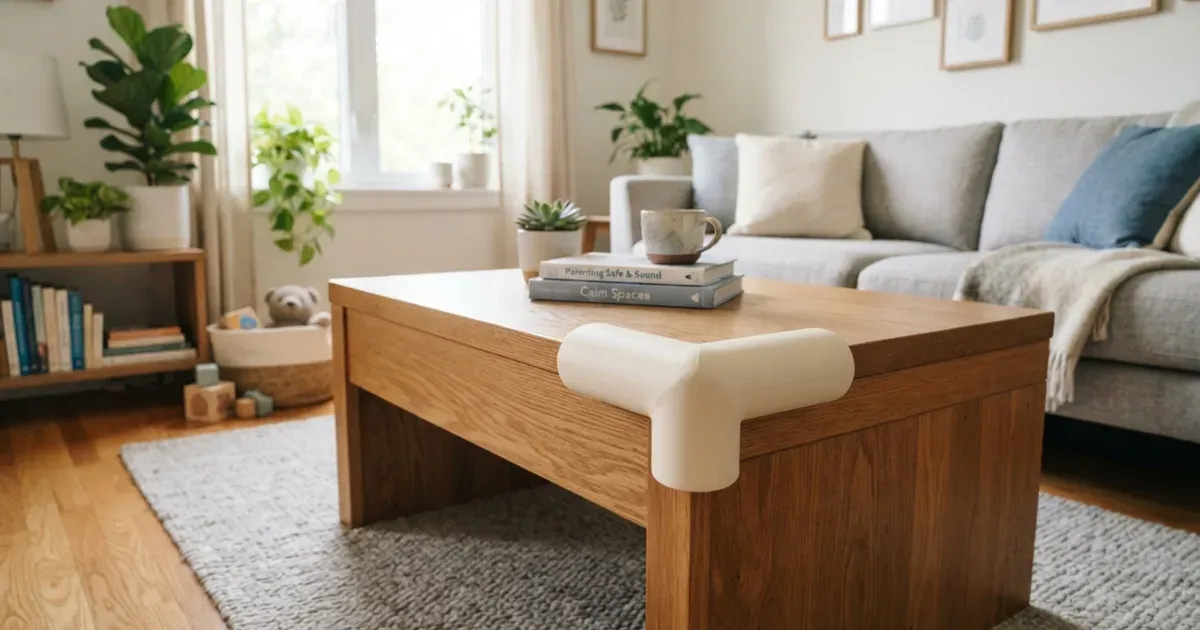
- We started babyproofing well before our daughter was mobile — soft edge covers, secured floor mats, and a proper cleaning routine were in place in advance, not added in a scramble.
- Household noise matters too — we were deliberate about not exposing her directly to loud vacuum cleaners or kitchen appliances at close range.
Babyproofing tends to get framed as a single event — a weekend spent bolting things down once a baby starts crawling. In practice, it works far better spread across a real timeline tied to what a baby can actually do at each stage.
Start before mobility, not after
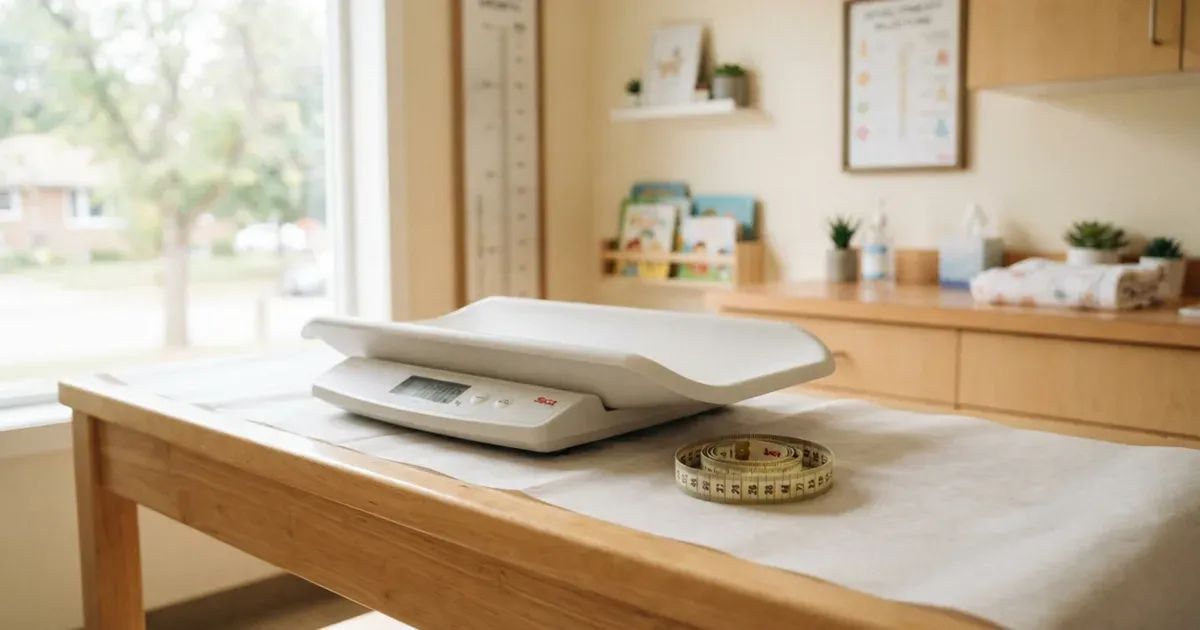
The general guidance is to babyproof before your baby is actually mobile — around 4 months — rather than scrambling to catch up once they’re already rolling, crawling, or pulling themselves up. Getting ahead of it removes the pressure of reacting in the moment, and means the safety measures are simply already part of the home rather than a rushed retrofit. This same “get ahead of it” principle is why your regular checkups are worth paying attention to — growth tracking there is often the first indicator of exactly when your own baby is approaching each mobility milestone.
A real timeline, tied to real milestones
Around 4-6 months — rolling begins. This is the point to have the basics in place: soft corner and edge covers on low furniture, cushioned or securely fitted floor coverings, and anything genuinely hazardous moved up and out well before your baby can reach it by rolling.
Around 7-9 months — sitting independently. Once sitting is stable, a baby’s reach expands considerably. This is the point to reassess anything within arm’s length from a seated position — cords, small decorative objects, anything pullable from a low shelf.
Around 8-12 months — crawling. Mobility changes everything. Floor-level hazards need a genuine, room-by-room check — the well-known trick of getting down on your hands and knees to see a room from a baby’s-eye view is worth doing properly, not just imagining. Cupboard latches, stair gates, and securing anything that could tip over become relevant here.
Around 9-14 months — pulling to stand and cruising along furniture. Anything a baby could pull down on themselves — unsecured furniture, table lamps, low shelves — needs to be either secured to the wall or moved out of reach.
Around 10-18 months, averaging 14 months — walking. By this stage, most babyproofing should already be in place and tested, rather than newly started.
The choking-hazard rule worth knowing
A genuinely useful rule of thumb: if a small object fits through a toilet paper tube, it’s small enough to be a choking hazard and needs to be kept well out of reach. This covers the obvious things — coins, marbles, button batteries, small toy parts — as well as less obvious household items like magnets, staples, and paper clips. Once a baby starts exploring the world by putting things in their mouth, a genuine, regular cleaning routine for floors and low surfaces becomes as important as any physical barrier you install.
What we did, and why we started early
We had the basics in place well before our daughter was actually mobile — soft plastic covers on furniture edges, secured floor mats, and a proper vacuum-and-cleanup routine already established, rather than adding these in a scramble once she started moving. As she grew, we layered in additional measures matched to what she could newly do, rather than trying to guess everything in advance. One detail that isn’t always on standard checklists: we were deliberate about not exposing her directly to loud household noise at close range — running the vacuum cleaner or a kitchen mixer well away from her rather than right beside her, since a baby’s hearing and startle response are far more sensitive than an adult’s, the same sensitivity that makes gentle, contained soothing techniques like shushing effective in the first place.
This same forward-planning approach carried through everything else in those early months, including staying genuinely flexible about her day-to-day routine rather than trying to force structure before she was ready for it.
Frequently asked questions
When should babyproofing actually start?
Before your baby is mobile — around 4 months is a commonly cited starting point, well ahead of rolling, crawling, or pulling to stand.
What’s a simple way to check if a small object is a choking hazard?
If it fits through a toilet paper tube, treat it as a choking risk and keep it well out of reach — this covers coins, batteries, small toy parts, and similar household items.
Do babyproofing needs change as a baby grows?
Yes — significantly. Rolling, sitting, crawling, pulling to stand, and walking each open up new reach and mobility, so babyproofing works best as a staged process tied to these milestones rather than a single one-time setup.
Is loud household noise actually something to babyproof against?
It’s worth being mindful of — a baby’s hearing and startle response are more sensitive than an adult’s, so keeping loud appliances like vacuum cleaners or mixers at a distance, rather than running them right next to a baby, is a reasonable precaution.
What’s the most important room-by-room check once a baby starts crawling?
Getting down on your hands and knees to see each room from a baby’s-eye view — it reveals hazards, cords, and small objects that are easy to miss from standing height.
References
- NHS inform — Your baby’s development from 2 to 12 months. nhsinform.scot
- UNICEF Parenting — How to babyproof your home. unicef.org
Found this helpful?