Wellness
Sustainable, evidence-based guidance on living well — not as an aesthetic, but as a foundation. From weight management and fitness to sleep, stress, and the small daily habits that add up to genuine health.
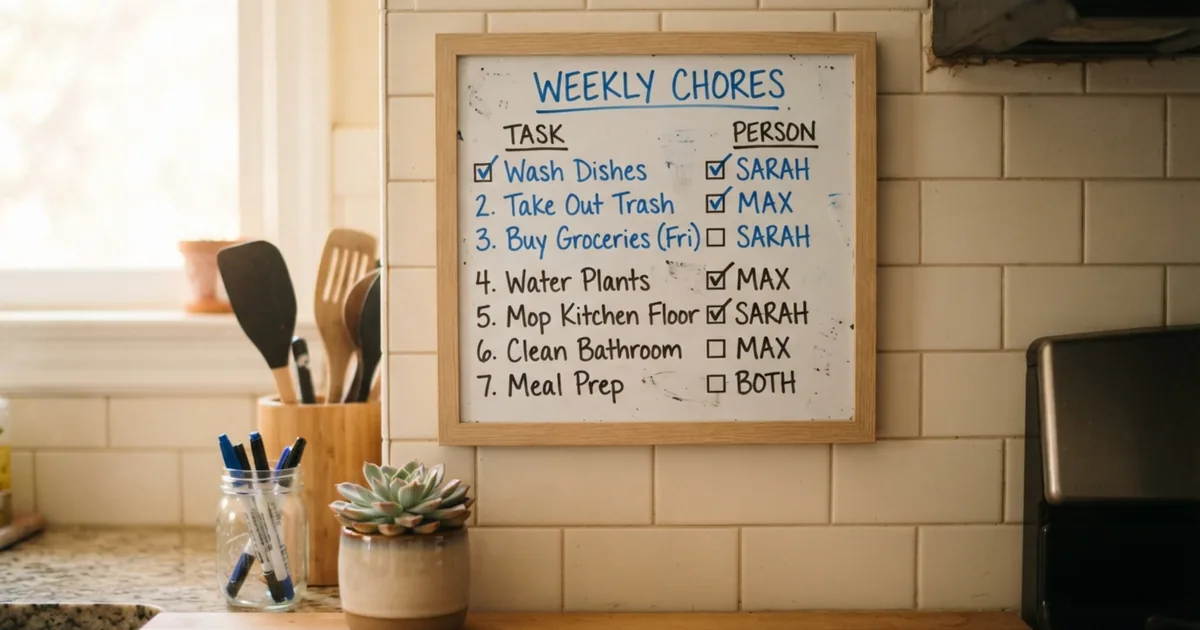
The Mental Load, Broken Down: A Practical System
Naming the mental load isn't enough to fix it. Here's the practical Conception-Planning-Execution framework that actually helps redistribute it.
Micro-Breaks: Real Recovery During a Busy Workday
A meta-analysis of 22 studies found micro-breaks reliably reduce fatigue and boost energy — but the productivity claim is weaker than most articles suggest.

Setting Boundaries With Extended Family
Seven in ten parents say family responsibilities are a major stressor. Here's what actually helps set boundaries with extended family, especially after a baby.
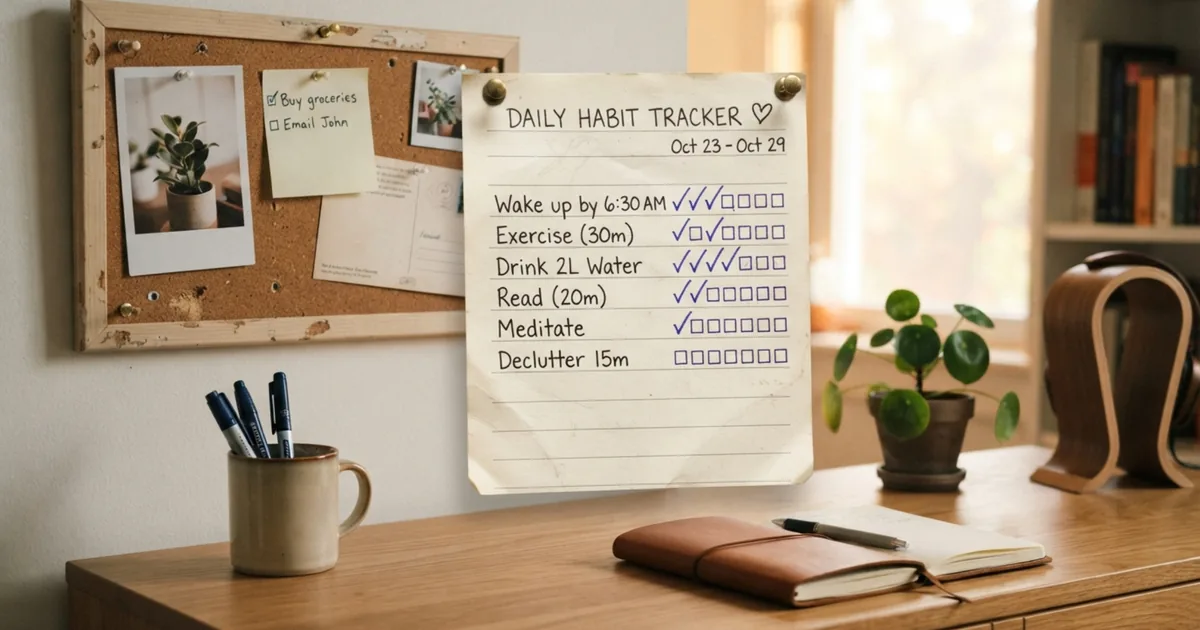
How to Build Habits That Actually Stick
A landmark UK study found new habits take a median of 66 days to become automatic, not 21. Here's what that actually means for building one that lasts.
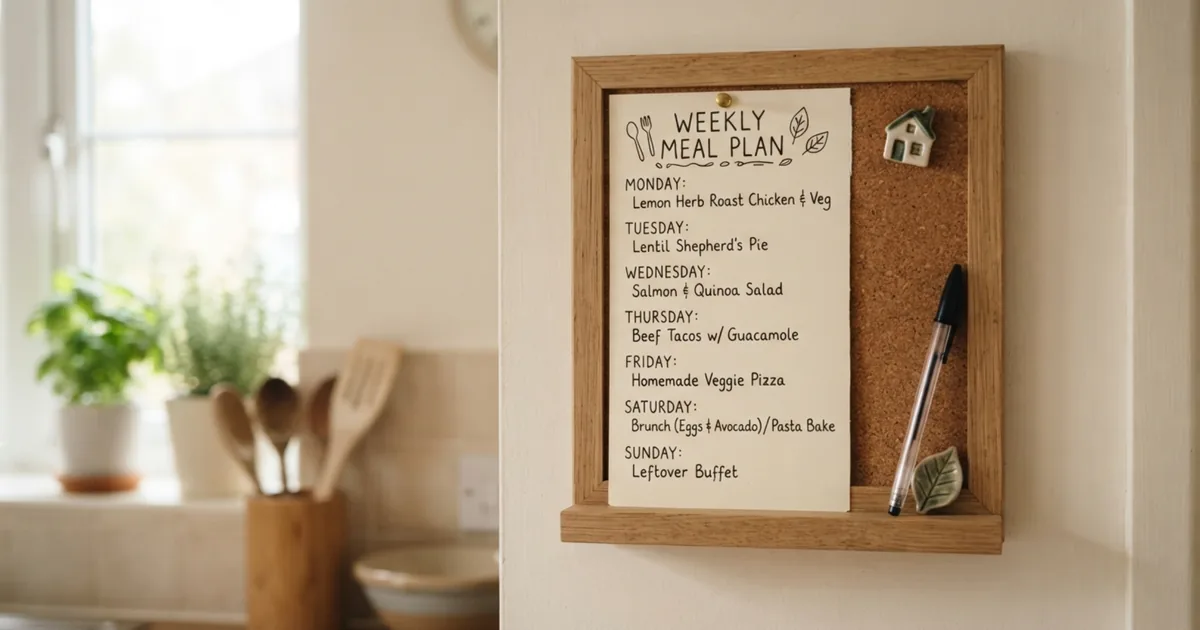
Meal Planning for a Busy Household
A large French study found meal planners eat more varied, healthier diets. Here's the simple weekly system that actually holds up on a hard week.
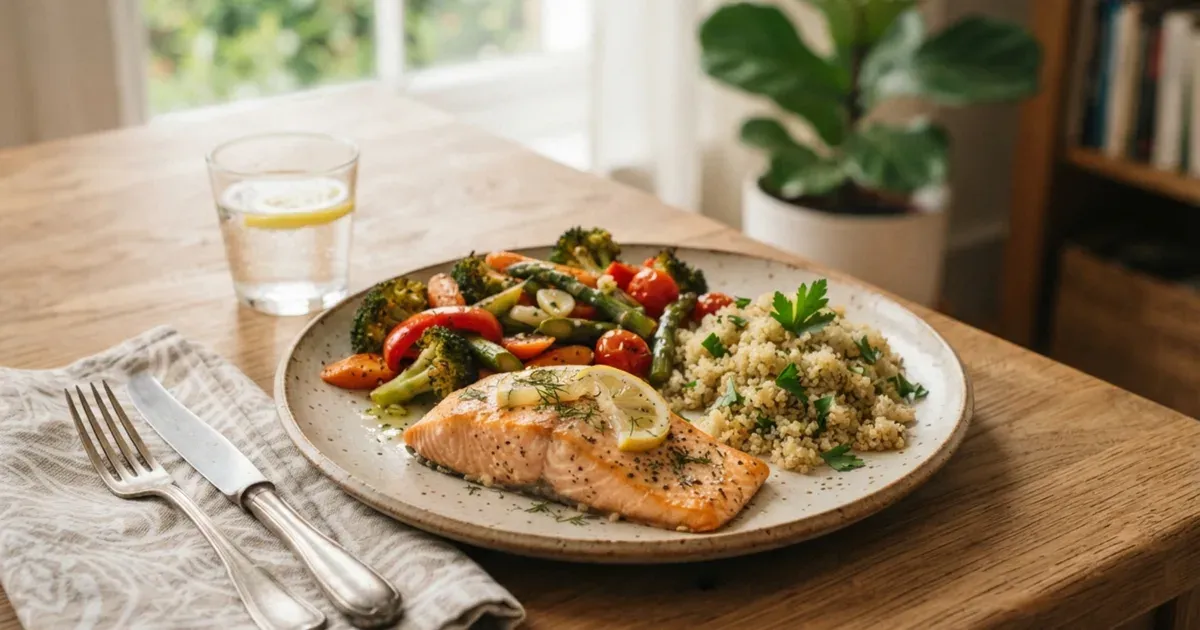
Sustainable Weight Loss Without Crash Dieting
A famous study found contestants' metabolism stayed suppressed 6 years after rapid weight loss — here's why slow, steady loss genuinely works better long-term.
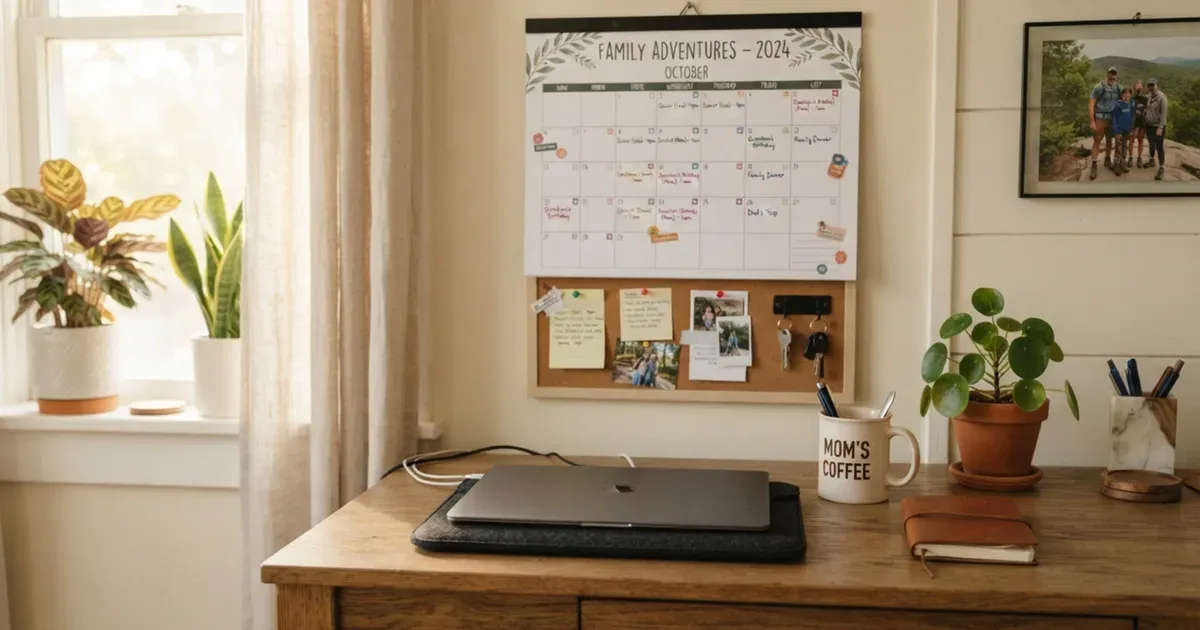
Work-Life Balance for Dual-Career Parents
Real sociological research names a specific, invisible category of labor — the 'mental load' — that often falls unevenly even when physical tasks are shared.

Emotional and Stress Eating: What Actually Helps
Stress hormones genuinely increase appetite and cravings for comfort food — the real biology, and how to actually tell emotional hunger from physical hunger.

An Evening Wind-Down Routine That Actually Helps You Sleep
A real sleep-lab study found writing tomorrow's to-do list helped people fall asleep 10 minutes faster than writing what they'd already done.
Sleep Hygiene: What Actually Works
Caffeine's half-life is around 5 hours, meaning your afternoon coffee is still partly active at bedtime — the real numbers behind common sleep advice.
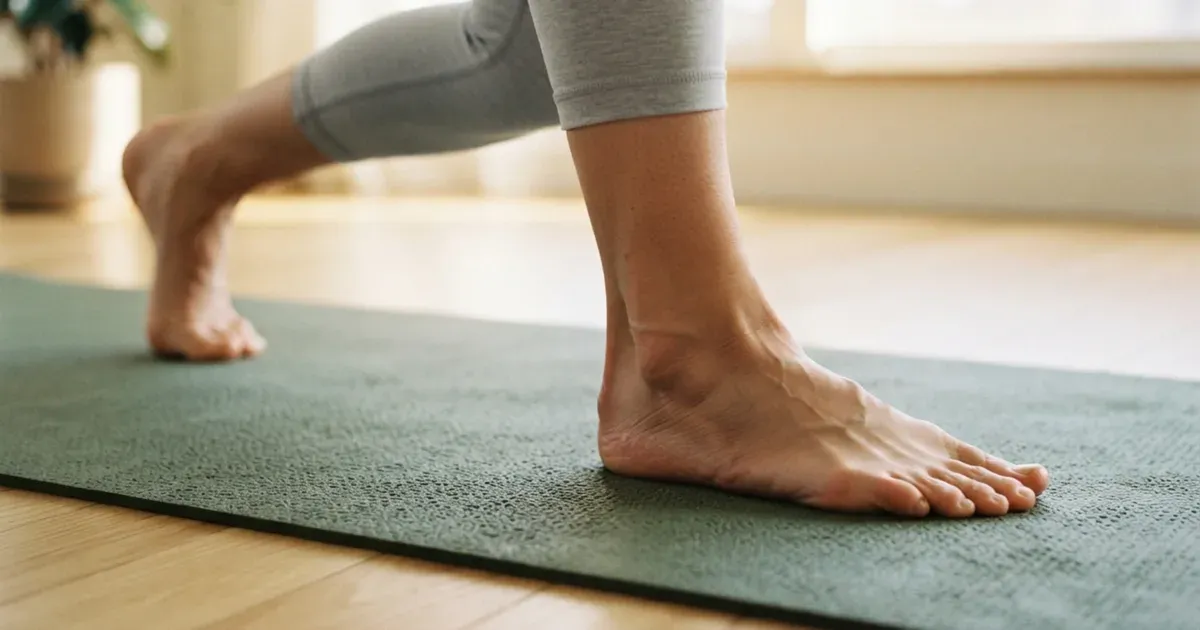
Stretching and Flexibility: A Simple Daily Routine
A 5-minute cooldown routine, held 15-20 seconds per stretch, is genuinely enough — here's the real NHS guidance on when and how to stretch.

Walking for Fitness: An Underrated, Sustainable Habit
The '10,000 steps' target came from a 1960s pedometer ad, not science. Here's what real research says about walking, and why it's an underrated habit.