Stretching and Flexibility: A Simple Daily Routine
Key takeaways
- Stretching is better placed after exercise, not before — it's a cooldown activity that helps you relax, improve flexibility, and slow your heart rate.
- A genuinely effective post-exercise stretch routine takes about 5 minutes, holding each stretch for 15-20 seconds.
- Improved flexibility is linked to better posture, fewer aches and pains, and lower injury risk — not just being able to touch your toes.
- There's no official recommendation for exactly how much time to spend on flexibility work overall — a short, consistent routine counts.
- If you're pregnant or managing an injury or condition, some stretches need adapting — a physiotherapist can advise on which ones are right for you.
Stretching often gets treated as optional, or squeezed in before a workout out of habit. The better-supported approach is simpler than it sounds, and it goes at the other end of your workout, not the start.
Stretch after, not before
Stretching is better understood as a cooldown activity — something that helps you gradually relax, improve flexibility, and bring your heart rate back down after exercise, rather than a warm-up step. A proper warm-up before exercise is its own separate thing, distinct from stretching itself.
What an actual routine looks like
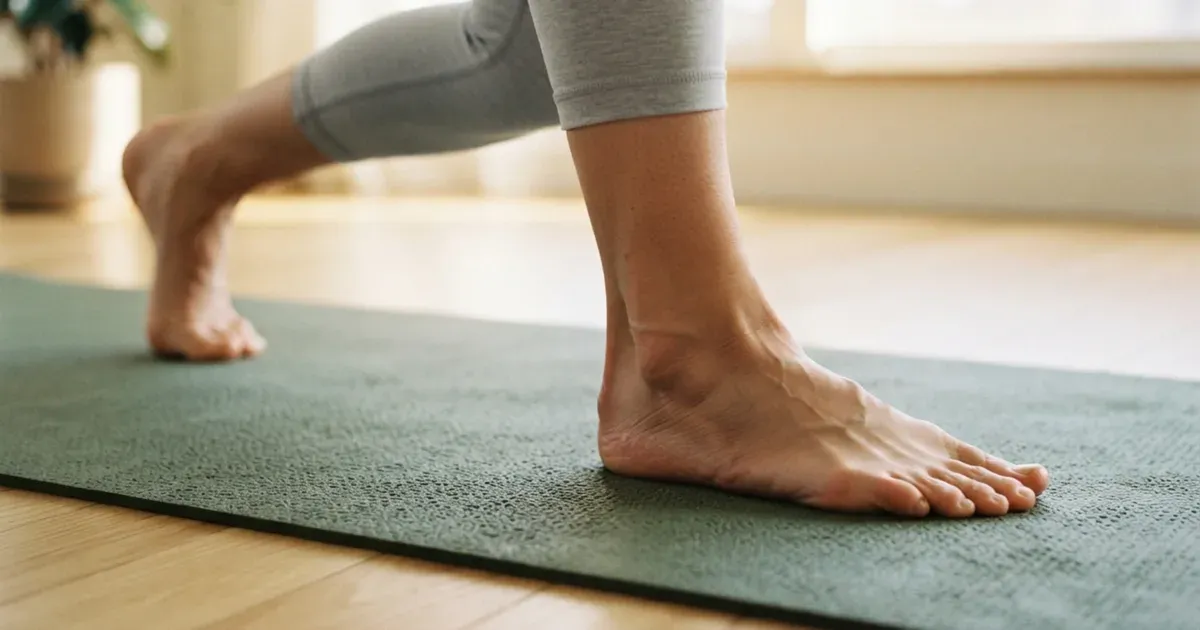
A genuinely effective post-exercise stretch routine is short: about 5 minutes total, covering major areas like the buttocks, hamstrings, inner thighs, calves, and thighs, holding each stretch for 15 to 20 seconds (longer if it feels needed), typically on both sides of the body. This isn’t a routine that demands significant extra time tacked onto a workout — it’s a brief, deliberate close to one.
Why flexibility work matters beyond touching your toes
Improved flexibility is linked to better posture, fewer everyday aches and pains, and a lower risk of injury — benefits that show up in ordinary daily movement, not just athletic performance. Flexibility work also supports the ability to keep doing everyday physical tasks comfortably as you get older, which is a more practical benefit than it might sound at first.
There’s no strict time requirement
There’s no specific official recommendation for exactly how much time should go into flexibility work each week — unlike the more precise minutes-per-week guidelines for aerobic activity and strength training. A short, consistent stretching routine after exercise is a reasonable, sufficient approach on its own, alongside other flexibility-focused activities like yoga, tai chi, or pilates if you enjoy them.
Pairing this with a regular bodyweight strength routine gives a well-rounded balance of strength and mobility, and stretching is also one of the better ways to stay gently active on a day when normal post-workout soreness is still settling.
When to adapt your approach
If you’re pregnant, managing an injury, or living with a medical condition, some standard stretches may need modifying — a physiotherapist or other healthcare professional can advise on which stretches are actually right for your specific situation, rather than defaulting to a generic routine that may not suit you.
Frequently asked questions
Should I stretch before or after exercising?
After. Stretching works best as a cooldown activity that helps you relax and improve flexibility once your heart rate is already elevated, rather than as pre-workout preparation.
How long should I hold each stretch?
Around 15 to 20 seconds per stretch, spending more time if it feels needed. A full cooldown stretch routine covering several major areas takes about 5 minutes total.
Do I need to stretch every single day to see benefits?
There’s no strict official requirement — a short, consistent routine after exercise sessions is a reasonable approach, and other flexibility activities like yoga or pilates can complement it.
What are the actual benefits of better flexibility, beyond touching your toes?
Better posture, fewer everyday aches and pains, and a lower risk of injury — benefits that show up in daily movement and long-term ease of doing everyday tasks, not just athletic performance.
Should pregnant people or those with an injury follow a standard stretching routine?
Not without checking first — some stretches may need adapting, and a physiotherapist or healthcare professional can advise on which ones are appropriate for your specific situation.
References
Found this helpful?