Rest, Recovery, and Muscle Soreness Explained

Key takeaways
- Post-workout soreness (DOMS) comes from tiny, normal tears in muscle fibers, particularly from movements your muscles aren't used to.
- DOMS usually lasts a few days and rarely continues past a week — pain should ease gradually, not stay flat or worsen.
- Complete rest isn't necessarily the best response — normal daily movement of sore muscles is fine, while intense exercise on the same muscles should wait.
- Sharp, constant pain, severe swelling, or dark urine are not normal DOMS symptoms and need medical attention, not just more rest.
- Everyone recovers at a somewhat different pace, so comparing your own soreness timeline to someone else's isn't a reliable guide.
Sore muscles the day or two after a workout can feel alarming if you don’t know what’s actually happening — the real explanation is more reassuring than it might seem.
What’s actually causing the soreness
Delayed onset muscle soreness, or DOMS, results from tiny, genuinely normal tears in muscle fibers during exercise your muscles aren’t fully accustomed to — particularly from eccentric movements, like the lowering phase of a lift or running downhill. It isn’t a sign of damage in a concerning sense; it’s part of the ordinary process by which muscles adapt and get stronger over time.
How long it should actually last
DOMS typically lasts a few days after the exercise that triggered it, and rarely continues past about a week. Pain should ease gradually, a little more each day, rather than staying flat or getting progressively worse — that gradual, day-by-day improvement is the expected pattern.
Rest, but not total rest
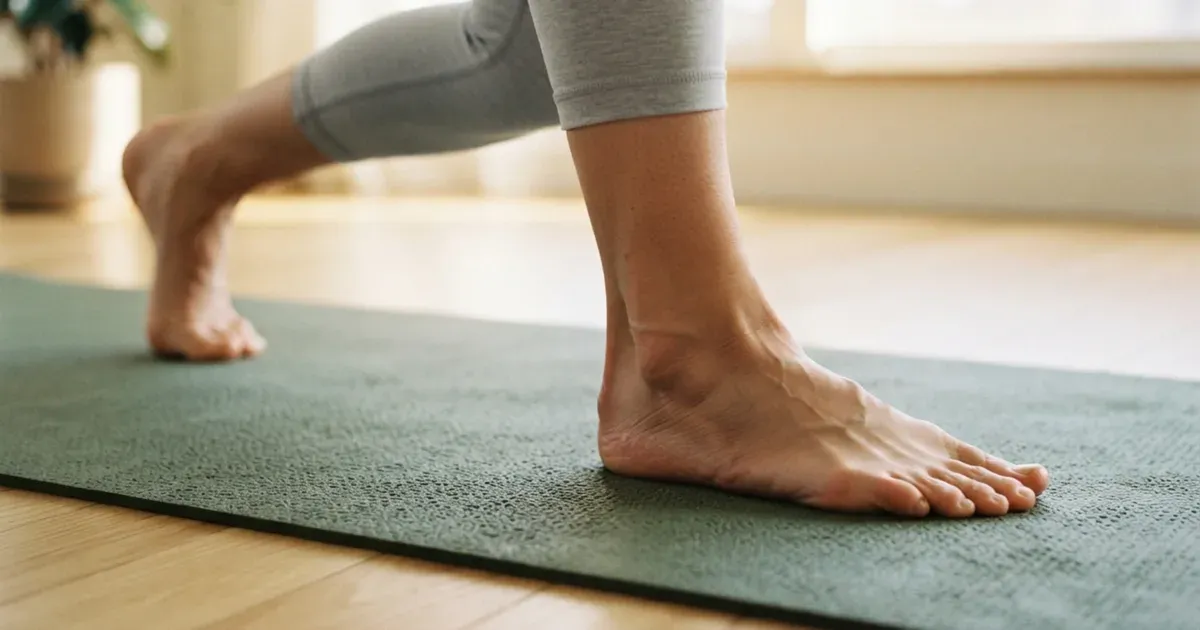
The better approach isn’t complete inactivity. Moving sore muscles through your normal daily routine is generally fine, and light movement — gentle stretching, a short walk — can actually help loosen stiff muscles rather than leaving them still. What’s worth avoiding is intense exercise targeting the same sore muscles again before they’ve had a chance to recover.
Sleep matters for recovery
Getting enough good-quality sleep supports the muscle repair and strengthening process, making it a genuinely relevant piece of your recovery, not just a separate wellness habit unrelated to how sore or ready your muscles feel the next day.
When it’s not normal DOMS anymore
See a doctor if soreness persists beyond about a week, if the pain feels sharp and constant rather than a dull ache, if you notice significant swelling around the muscle, or if your urine appears unusually dark. These aren’t typical DOMS symptoms, and they point to something that needs proper medical attention rather than more rest and time.
Why this matters for consistency
Understanding that soreness is normal, temporary, and doesn’t require total inactivity helps avoid two common mistakes: pushing through pain that’s actually a warning sign, and abandoning a new exercise routine altogether just because the first week feels uncomfortable. Everyone’s body recovers at a somewhat different pace, so it’s worth judging your own soreness against your own typical pattern, not against how quickly someone else seems to bounce back.
Gentle stretching is one of the better options for staying lightly active on a sore day — here’s a simple routine worth keeping for exactly this purpose, alongside easing back into your usual bodyweight routine once the soreness has settled.
Frequently asked questions
Why do my muscles hurt a day or two after exercising, not right away?
This delayed pattern is exactly what gives DOMS its name — the tiny muscle fiber tears that cause soreness typically peak in intensity a day or two after the triggering exercise, not immediately during it.
How long should normal post-workout soreness actually last?
A few days, easing gradually, rarely continuing past about a week. If it isn’t improving day by day, that’s worth paying attention to.
Should I completely rest sore muscles, or keep moving?
Normal daily movement of sore muscles is fine and can even help. What’s worth avoiding is intense exercise targeting the same muscles again before they’ve recovered.
Does sleep actually affect how quickly I recover from soreness?
Yes — good-quality sleep supports the muscle repair process directly, making it a genuinely relevant part of recovery, not a separate consideration.
What symptoms mean my soreness isn’t just normal DOMS?
Pain lasting more than about a week, sharp and constant (rather than dull, aching) pain, significant swelling, or unusually dark urine — these warrant medical attention rather than continued rest at home.
References
- Cleveland Clinic — Delayed Onset Muscle Soreness (DOMS). my.clevelandclinic.org
Found this helpful?