Sleep Deprivation: Survival Strategies That Actually Worked
Key takeaways
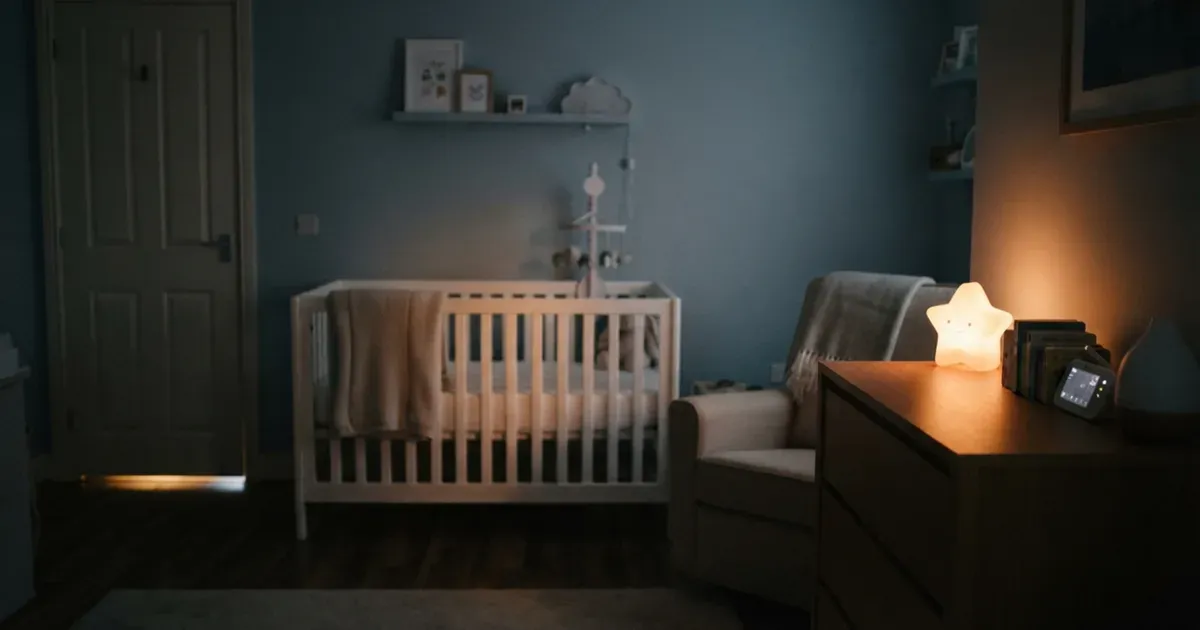
- We were woken every 2-3 hours for feeding for the first few months, managing it as just the two of us with no outside help available yet.
- What actually helped: cutting screen time before bed, talking through stress together rather than letting it build, avoiding long calls, calming music, and a consistent bedtime.
- The NHS recommends resting when your baby sleeps rather than prioritising chores, sharing nighttime duties with a partner where possible, and even 5-10 minutes of deliberate relaxation.
- Extreme, unrelenting exhaustion alongside low mood or hopelessness is worth raising with a GP or health visitor — it can be a sign of something beyond ordinary tiredness.
- We're genuinely proud of how we managed those months as just the two of us — it was hard, and we got through it without it breaking us.
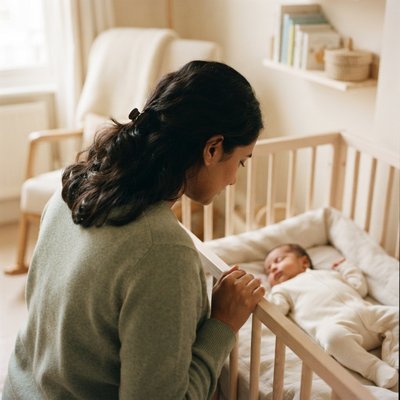
We were woken every two to three hours for feeding for the first few months, managing it entirely as the two of us, without the outside help we’d originally planned to have. It was hard. I’m still proud of how we got through it.
What actually helped, in our own words
A handful of specific, deliberate changes made a real difference for us: cutting back on screen time in the evenings, talking through anything stressful together rather than letting it sit unspoken, avoiding long phone calls that ate into what little rest time we had, listening to calming or devotional music, and keeping a consistent bedtime even when everything else about our schedule had become unpredictable. None of these fixed the exhaustion outright — we were still waking every 2-3 hours for months — but together they made the stretches of being awake feel more manageable than they otherwise would have.
Why doing it without outside help mattered
Our extended family, who’d planned to help through exactly this stretch, were still weeks away when our daughter arrived early. That meant the night-waking, the feeding, all of it, fell to the two of us rather than being shared more widely. We stayed aware of each other’s exhaustion and traded off where we could, but there wasn’t a grandparent to hand the baby to for a few hours so one of us could properly sleep. Getting through that stretch as a team, just the two of us, is something we’re genuinely proud of — not because outside help isn’t valuable, but because we didn’t have it and managed anyway.
What the general guidance recommends
The NHS’s advice on sleep and tiredness after having a baby lines up closely with what we found useful: rest when your baby sleeps rather than prioritising household tasks, share nighttime duties with a partner if that’s an option for you, and don’t discount small things — even 5 to 10 minutes of deliberate relaxation can genuinely help. Walking regularly is also recommended, since gentle exercise can reduce the feeling of tiredness even without adding actual sleep hours. If you do have family or friends available, asking them to take the baby for even a short stretch so you can nap is worth doing rather than saving the favour for later.
When it’s more than ordinary tiredness
It’s worth knowing the difference: ordinary sleep deprivation is exhausting but tends to ease as your baby’s sleep matures and your own coping strategies kick in. If tiredness persists alongside low mood, hopelessness, or an inability to enjoy things you normally would, that combination is worth raising with a GP or health visitor rather than assuming more sleep alone will fix it.
Frequently asked questions
What actually helped you get through the sleep deprivation?
Cutting screen time before bed, talking through stress together instead of bottling it up, avoiding long calls, calming music, and keeping a consistent bedtime — none of these added hours of sleep, but they made the exhaustion more manageable.
How do you cope with sleep deprivation without family help nearby?
It comes down to teamwork between whoever is available — trading off awareness of each other’s exhaustion, protecting whatever rest windows you can, and not assuming you need outside help to get through it, even though it’s genuinely harder without it.
Is it normal to be woken every 2-3 hours for months?
Yes, particularly with frequent feeding schedules in the early months. It’s exhausting but expected, and it does ease as your baby’s feeding and sleep patterns mature.
When does tiredness become something to actually raise with a doctor?
When it’s paired with persistent low mood, hopelessness, or difficulty enjoying things you normally would — that combination points to something beyond ordinary exhaustion and is worth mentioning to your GP or health visitor.
Does exercise actually help with sleep deprivation, or does it just add more tiredness?
Regular gentle activity like walking is recommended specifically because it can reduce the feeling of tiredness, even without adding actual sleep — it’s a genuinely useful tool, not a contradiction.
References
- NHS — Sleep and tiredness after having a baby. nhs.uk
Found this helpful?