Perineal Tearing and Episiotomy: What's Normal
Key takeaways
- Up to 9 in 10 first-time mothers who have a vaginal birth experience some tear, graze, or episiotomy — it's genuinely the norm, not the exception.
- An episiotomy is a small surgical cut made to widen the vaginal opening, often used alongside an assisted (vacuum or forceps) delivery.
- Most tears and episiotomies heal within about a month, with stitches, pain relief, and simple hygiene care.
- Our own daughter's delivery involved a vacuum and a small cut — a completely ordinary part of an assisted birth, not a complication in itself.
- Perineal massage in late pregnancy may reduce the likelihood of needing an episiotomy, though it doesn't guarantee avoiding a tear entirely.
Our daughter’s delivery needed some help at the end — a vacuum, and a small cut to ease her out. At the time it barely registered against everything else happening in that moment; it was only afterward that I looked into how genuinely common this is, and wished I’d known that going in.
How common this actually is
The NHS is direct about the numbers: up to 9 in 10 first-time mothers who have a vaginal birth experience some kind of tear, graze, or episiotomy. That’s not a rare complication — it’s closer to the expected outcome of a first vaginal birth than something unusual.
What an episiotomy actually is
An episiotomy is a small surgical cut made in the perineum — the area between the vagina and anus — to widen the opening for the baby to be born. It’s typically used when the baby needs to be delivered quickly due to signs of distress, when forceps or a vacuum are needed to assist delivery, as in our case, or when there’s a risk of a more severe, uncontrolled tear.
Tears, more generally
Tears are graded by how deep they go. A first-degree tear affects only the skin, is usually small, and often heals within about two weeks without needing stitches. A second-degree tear goes into the perineal muscles as well as the skin — similar in depth to an episiotomy — and always needs stitches. Third- and fourth-degree tears go further, into and sometimes through the muscle that surrounds the anus, and need more careful repair and a longer recovery, generally avoiding strenuous activity or heavy lifting for 4-6 weeks.
Recovery and healing
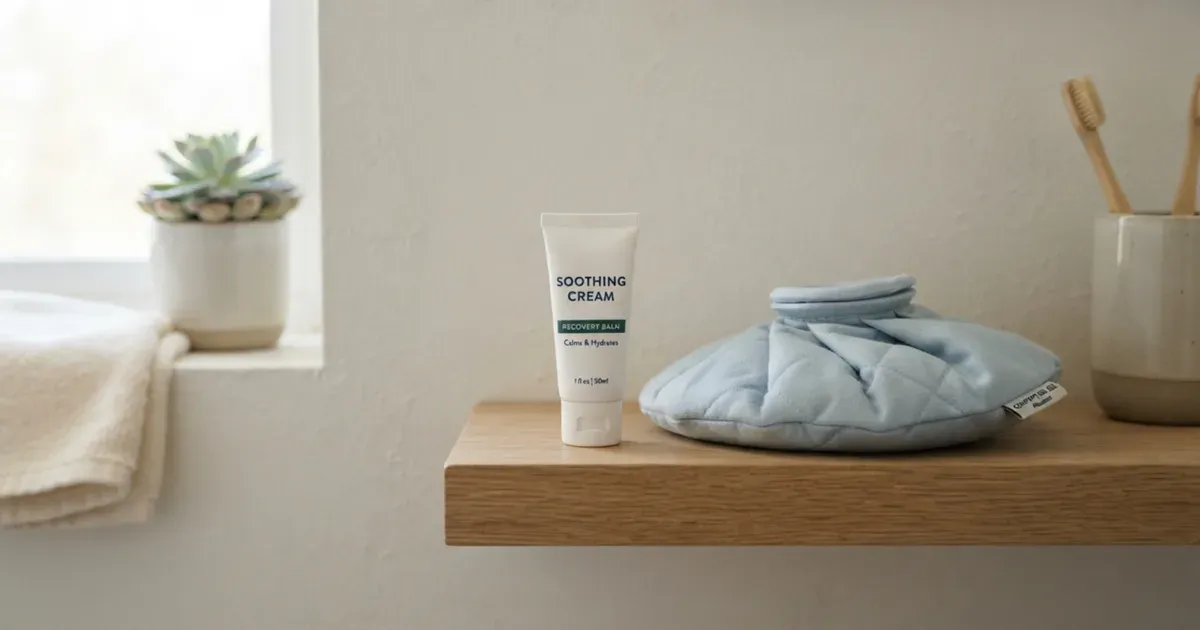
Most tears and episiotomies heal within about a month. Regular paracetamol or ibuprofen, and ice packs in the first day or two, are the usual approach to discomfort — a milder, more localised version of the pain management choices you’ll already be weighing during labour itself. Keeping the area clean — rinsing with warm water, including after using the toilet — helps prevent infection and supports healing. Pelvic floor exercises are worth starting as soon as you comfortably can, since they aid recovery generally. It’s common for the area to feel uncomfortable during sex for a while afterward; this usually settles as healing completes, but it’s worth mentioning to your doctor or midwife if it persists longer than expected.
Can you reduce the chances of needing one?
Perineal massage in the weeks leading up to birth — gently stretching the perineal tissue, usually from around 34-35 weeks — is associated with a lower likelihood of needing an episiotomy, though it doesn’t guarantee avoiding a tear altogether. During the birth itself, your midwife will often guide your breathing as the baby’s head is crowning — short, controlled breaths rather than a hard push — specifically to let the skin stretch more gradually rather than tear.
Our own experience, briefly
Ours came alongside an assisted, vacuum-helped delivery rather than a decision made in isolation — the cut was part of getting our daughter out safely and quickly at that point in the pushing stage, not a separate complication layered on top. Recovery afterward was straightforward, following the same basic care outlined above.
What I wish I’d known
I wish I’d understood beforehand how ordinary this is, rather than learning the statistic after the fact. Somehow, despite how common it is, it isn’t something that comes up much in casual conversation about birth, which left me feeling slightly blindsided by something that, it turns out, happens to the vast majority of first-time mothers in some form.
Frequently asked questions
Is an episiotomy the same as a tear?
Not exactly — an episiotomy is a deliberate surgical cut, usually made when assisted delivery or a risk of severe tearing calls for it, while a tear happens on its own during birth. Both are repaired with stitches and heal similarly.
How common are tears and episiotomies?
Very common — up to 9 in 10 first-time mothers having a vaginal birth experience one or the other in some form.
How long does healing usually take?
Most tears and episiotomies heal within about a month, though more severe (third- or fourth-degree) tears need a longer recovery, generally avoiding strenuous activity for 4-6 weeks.
Can perineal massage prevent tearing?
It’s associated with a reduced likelihood of needing an episiotomy when done in the weeks before birth, though it doesn’t guarantee you won’t tear at all.
Is it normal for the area to hurt during sex afterward?
Yes, for a while — this usually improves as healing completes. Mention it to your doctor or midwife if discomfort continues longer than you’d expect.
References
- NHS — Episiotomy and perineal tears. nhs.uk
Found this helpful?