Preparing a Toddler for a New Sibling
Key takeaways
- Getting a toddler involved early — talking to the bump, choosing a gift for the baby, reading sibling-themed books together — helps build a real connection before the baby even arrives.
- Regression after a new sibling arrives — bedwetting, disrupted sleep, wanting a bottle again — is genuinely normal and not a sign of a lasting problem.
- A reciprocal 'gift from the baby' to the older child is a small, well-supported trick that helps the arrival feel like something that includes them, not replaces them.
- Dedicated one-on-one time with each parent, even briefly, does more to ease jealousy than almost anything else.
- Keeping routines stable in the first weeks — same bedtime, same sleeping arrangement — gives a toddler one less thing to adjust to all at once.
A new sibling is a genuinely big change from a toddler’s point of view — not just a new person in the house, but a real shift in how much attention and time they’re used to having. Some thoughtful preparation, before and after, makes a real difference.
Getting them involved before the birth
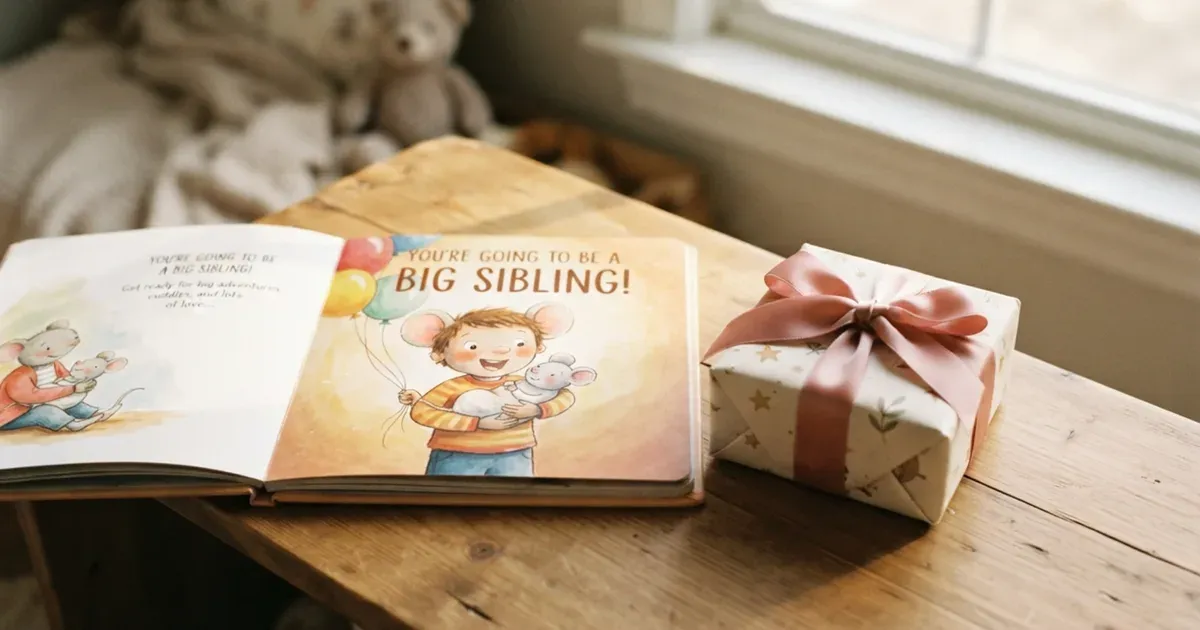
Bringing a toddler into the process early helps build a real connection with the baby before they’ve even arrived. Simple things go a long way: encouraging your toddler to talk to the bump, sharing small pregnancy milestones in an age-appropriate way, involving them in choosing something for the new baby, and reading children’s books about becoming a sibling together. Looking through your toddler’s own baby photos together is a small but effective way to show them that the attention a newborn gets isn’t unusual or a sign they’re loved any less — it’s simply what every baby, including them, once needed.
The “gift from the baby” trick
A small, well-supported idea worth using: arrange for the new baby to “give” a small gift to the older sibling around the time they arrive, alongside whatever gifts family and friends bring for the baby. It’s a simple detail, but it reframes the new arrival as something that includes the older child rather than something that only takes attention away from them.
Regression is normal, not a red flag
It’s genuinely common for a toddler to regress after a new sibling arrives — bedwetting after being dry for a while, disrupted sleep, wanting a bottle or dummy again after giving it up. These are normal ways a toddler processes a big adjustment, not a sign of a lasting problem or a parenting mistake, and they typically ease as your toddler settles into the new normal — much like the milestones your toddler has already reached don’t disappear permanently just because stress temporarily pulls a skill backward.
Managing jealousy as it comes up
A few things genuinely help: carving out dedicated one-on-one time with each parent, even in short bursts, so your toddler doesn’t feel replaced; responding to difficult behavior with patience rather than punishment, since punishment in this specific context tends to build resentment rather than ease it; and finding small, genuine ways to involve your toddler in caring for the baby, like helping during a nappy change or picking out a book to read to their new sibling. It also helps to acknowledge your toddler’s feelings directly rather than dismiss them — big feelings about a big change are valid, even when they come out as difficult behavior.
Keeping the early weeks steady
Where possible, avoid stacking too much change at once — the arrival of a new sibling isn’t the ideal moment to also move a toddler to a new bed or make other major routine changes, since one big adjustment at a time is easier to manage than several together. Keeping bedtime, mealtimes, and other anchors of the day stable gives your toddler one less thing to navigate while everything else around them is shifting — the same principle behind staying deliberately flexible but consistent in the newborn’s own routine applies just as much to the older sibling’s routine during this transition.
If speech or language seems to genuinely stall rather than just have an off week during this adjustment period, it’s worth knowing the difference between ordinary regression and something to actually flag.
Frequently asked questions
Is it normal for a toddler to regress after a new baby arrives?
Yes — bedwetting, sleep disruption, and wanting things like a bottle again after giving them up are all common, normal adjustment responses, not signs of a lasting issue.
What can I do before the birth to help my toddler adjust?
Involve them early — talking to the bump, picking out something for the baby, reading books about becoming a big sibling together, and looking at their own baby photos so they see the same care was once given to them.
How do I handle jealousy once the baby is here?
Dedicated one-on-one time, patience over punishment, and involving your toddler in small ways with the baby’s care all genuinely help, alongside simply acknowledging their feelings rather than dismissing them.
Should I make other big changes, like moving to a new bed, around the same time as the birth?
It’s better to avoid stacking major changes together where possible — keeping other routines stable gives your toddler one less thing to adjust to while the new sibling arrival is already a big shift.
Does giving my toddler a “gift from the baby” actually help?
It’s a small but genuinely useful idea — it reframes the new arrival as something that includes your toddler, rather than something that only takes attention away from them.
References
- Coram Family Lives — Dealing with challenging behaviour when a new baby arrives. coramfamilylives.org.uk
Found this helpful?