Foods to Avoid During Pregnancy: Complete Guide
Key takeaways
- Pregnant women are about 10 times more likely to get listeriosis, which is why raw/unpasteurized foods matter so much.
- High-mercury fish (shark, swordfish, king mackerel) should be avoided; low-mercury fish like salmon are safe and beneficial.
- Most guidelines cap caffeine at 200mg a day — about one 12-ounce cup of coffee.
- There is no known safe amount of alcohol during pregnancy.
- One accidental slip-up is rarely harmful — consistency matters more than perfection.
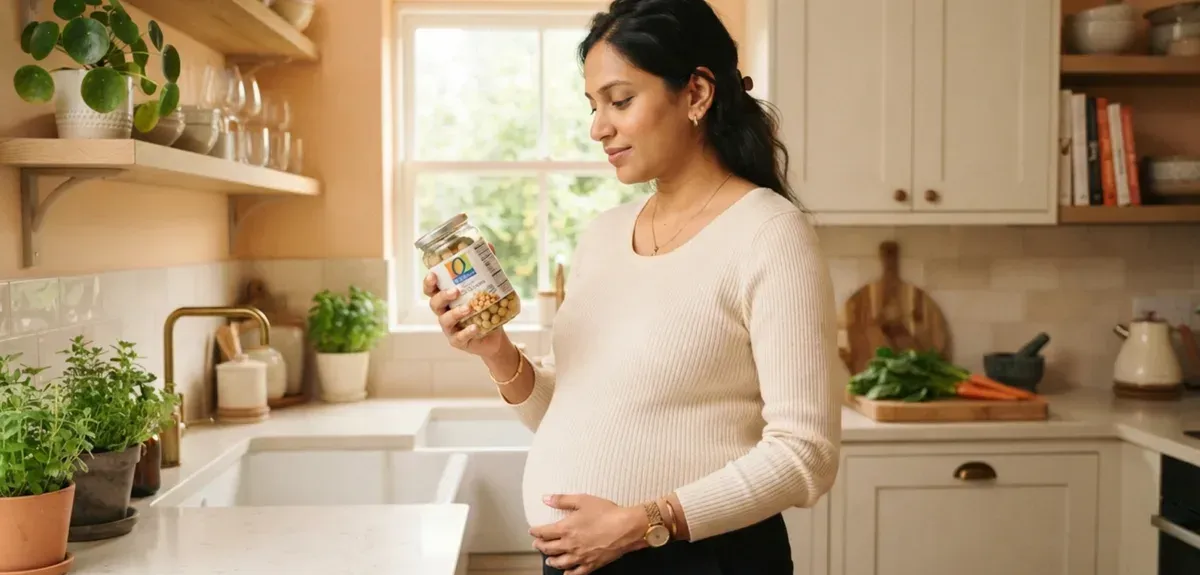
The moment I found out I was pregnant, my relationship with food changed completely. Suddenly, every meal came with questions: Is this safe? Can I eat this? What if I accidentally harm my baby? I spent hours researching, reading conflicting information online, and eventually sitting down with my doctor to get clear answers. Some foods I had to give up were obvious. Others surprised me. And yes — there were moments when I slipped up and had to remind myself not to panic. This guide is everything I learned during my pregnancy — based on my real experience, my doctor’s advice, and what actually mattered. If you’re pregnant and confused about what you can and cannot eat, this is for you.
Why Food Safety Matters During Pregnancy
During pregnancy, your immune system is naturally suppressed to protect your growing baby. This means you’re more vulnerable to foodborne illnesses that might not affect you normally. Infections like listeriosis, salmonella, and toxoplasmosis can have serious consequences for your baby — from developmental issues to miscarriage. According to the CDC’s guidance on safer food choices for pregnant women, pregnant women are about 10 times more likely to get listeriosis than other healthy adults — the NHS gives the same warning, noting that hormonal changes during pregnancy make you more susceptible to this specific infection. This is why being careful about what you eat isn’t being overly cautious — it’s being smart. The good news? Most foods are perfectly safe. You don’t have to live in fear. You just need to know what to avoid and why.
Foods I Avoided During My Pregnancy
Here’s everything I avoided during my pregnancy, based on my doctor’s advice and my own research. I’ve organized them by category so it’s easy to remember.
Raw and Undercooked Foods
Raw fish and sushi: This was one of the first things my doctor mentioned. Raw fish can contain parasites and bacteria that are harmful during pregnancy. I avoided all sushi, sashimi, and raw seafood throughout my pregnancy. If you love sushi like I do, the good news is that cooked sushi rolls (like shrimp tempura or fully cooked eel) are generally safe. Raw eggs: I only ate fully boiled or fully cooked eggs — no runny yolks, no half-fried eggs. Raw eggs can contain salmonella. This also means being careful with homemade mayonnaise, certain salad dressings, and raw cookie dough. Raw salads from restaurants: This one surprised me at first, but it makes sense. You don’t know how thoroughly restaurant salads have been washed. I preferred to eat my vegetables semi-cooked or boiled at home where I could control the preparation. When eating out, I chose cooked vegetables instead. Undercooked meat: All meat needs to be cooked thoroughly — no pink in the middle. Undercooked meat can contain toxoplasma and other harmful bacteria.
Fish with High Mercury Levels
My doctor specifically advised me to avoid fish with high mercury levels. Mercury can affect your baby’s developing brain and nervous system. Fish to avoid:
- Shark
- Swordfish
- King mackerel
- Tilefish
- Bigeye tuna
- Marlin
What I ate instead: Salmon (without skin) was my go-to fish. It’s low in mercury and high in omega-3 fatty acids, which are excellent for your baby’s brain development. I also ate chicken regularly as my main protein source.
Unpasteurized Products
I avoided all unpasteurized products — milk, cheese, and juice. Unpasteurized products can contain listeria, which is particularly dangerous during pregnancy. What this includes:
- Soft cheeses like brie, camembert, and blue cheese (unless clearly labeled as pasteurized)
- Fresh or raw milk
- Unpasteurized fruit juices
- Some artisanal or farm-fresh dairy products
Always check labels. If it says “pasteurized,” it’s safe. If it doesn’t say anything or says “raw,” avoid it.
Caffeine
I completely avoided coffee during my pregnancy. My doctor advised limiting caffeine, and since I wasn’t a heavy coffee drinker anyway, I decided to cut it out entirely rather than count milligrams. High caffeine intake during pregnancy is associated with restricted fetal growth, reduced birth weight, and preterm birth. ACOG recommends staying under 200mg per day — about one 12-ounce cup of coffee — while WHO’s guidance sets a slightly higher ceiling of under 300mg. I aimed for the more conservative number. I also avoided cold drinks and energy drinks, which often contain hidden caffeine.
Heat-Generating Foods
My doctor advised me to avoid foods that are considered “heat-generating” in traditional terms. While Western medicine may not always emphasize this, many cultures — including in Europe and Asia — recommend being cautious with certain warming foods during pregnancy. What I avoided:
- Ginger — Especially in large amounts. Small amounts in cooking are usually fine, but I avoided ginger tea and concentrated ginger.
- Pineapple — Particularly in early pregnancy. Pineapple contains bromelain, which in large amounts may soften the cervix.
- Papaya — Especially raw or unripe papaya, which contains latex that may trigger contractions.
- Very spicy foods — I reduced my spice intake significantly. While spicy food isn’t dangerous, it can worsen heartburn and digestive issues that are already common during pregnancy.
Processed and Junk Foods
While these aren’t strictly forbidden, I made a conscious effort to avoid them as much as possible:
- Foods with preservatives: I tried to eat fresh, whole foods whenever possible.
- Oily and fried foods: These can worsen nausea and heartburn.
- Foods with lots of sugar: Especially important because I was later diagnosed with gestational diabetes around my sixth month.
- Outside food: I reduced eating out because I couldn’t control the ingredients, oil quality, or hygiene.
Alcohol
I don’t drink alcohol, so this wasn’t a challenge for me. But it’s important to mention: there is no known safe amount of alcohol during pregnancy. Even small amounts can affect your baby’s development. The safest choice is to avoid alcohol completely throughout pregnancy.
Foods That Helped Me During Pregnancy
It’s not all about restrictions! Here are some foods that I found particularly helpful: Yogurt: This was my pregnancy savior, especially in the early days. It helped with digestion, provided calcium and protein, and was gentle on my stomach when nothing else seemed appealing. I ate it almost daily. Salmon: A great source of protein and omega-3s without the mercury concerns. I made sure it was always fully cooked and removed the skin. Cooked vegetables: Instead of raw salads, I ate plenty of steamed, boiled, or lightly sautéed vegetables. This gave me the nutrients without the food safety concerns. Fully cooked eggs: An excellent source of protein and choline, which is important for baby’s brain development. For more on what to eat during pregnancy, week by week nutrition focus is covered as each week-by-week guide publishes.
My Slip-Ups (And What I Learned)
Let me be honest with you — I wasn’t perfect. There were occasions when I gave in to cravings and had some sweets, cakes, or muffins. Pregnancy cravings are real, and sometimes you just need to satisfy them. What I never compromised on: I never consumed anything with lots of caffeine, and I stayed completely away from ginger in concentrated forms. I was careful about the things that truly mattered for my baby’s safety. The lesson? Don’t be too hard on yourself if you occasionally eat something that’s not on the “perfect” list. There’s a difference between occasionally having a slice of cake and regularly consuming high-risk foods. Use common sense, prioritize the truly dangerous foods to avoid, and forgive yourself for small indulgences.
Special Note on Gestational Diabetes
I was diagnosed with gestational diabetes around my sixth month of pregnancy. This added another layer to my food restrictions — I had to be even more careful about sugar and carbohydrates. If you’re diagnosed with gestational diabetes, your doctor will give you specific dietary guidelines. In general, this means avoiding or significantly limiting all sugary foods, monitoring carbohydrate intake, eating smaller and more frequent meals, and focusing on protein and fiber. Gestational diabetes is more common than most people realise — a large systematic review of 24 European countries found an overall prevalence of about 11% of pregnancies, though it varies significantly by region and screening criteria. It doesn’t mean you did anything wrong. With proper diet management, most women have healthy pregnancies and babies.
Quick Reference: Foods to Avoid Checklist
Definitely Avoid:
- Raw fish, sushi, sashimi
- Raw or undercooked eggs
- Undercooked meat
- High-mercury fish (shark, swordfish, king mackerel)
- Unpasteurized milk, cheese, and juice
- Alcohol
- Raw sprouts
Limit or Be Cautious:
- Caffeine (under 200mg/day)
- Pineapple (especially early pregnancy)
- Papaya (especially raw/unripe)
- Ginger (in large amounts)
- Very spicy foods
- Sugary foods (especially if at risk for gestational diabetes)
- Raw salads from restaurants
When to Call Your Doctor
My doctor’s advice was clear: call immediately if anything feels abnormal. After my initial appointment, my next scheduled visit was at 12 weeks. Contact your doctor if you experience:
- Severe vomiting or diarrhea after eating
- High fever
- Signs of food poisoning
- Unusual symptoms after eating specific foods
- Any concerns about what you’ve eaten
Don’t panic if you accidentally ate something on the “avoid” list once. Most likely, everything is fine. But if you’re worried or experiencing symptoms, always call your healthcare provider for peace of mind.
The Bottom Line
Pregnancy food restrictions can feel overwhelming at first, but they become second nature quickly. The key is understanding why certain foods are risky and making informed choices. Focus on the truly dangerous foods — raw and undercooked items, high-mercury fish, unpasteurized products, and alcohol. Be mindful of caffeine and heat-generating foods. And don’t stress too much about the occasional treat. Your body is doing incredible work growing a human being. Nourish it with good food, stay informed, and trust yourself to make the right choices for you and your baby.
Frequently Asked Questions
Can I eat sushi during pregnancy?
Raw sushi should be avoided during pregnancy due to the risk of parasites and bacteria. However, sushi with fully cooked ingredients — like shrimp tempura rolls, cooked eel, or vegetable rolls — is generally safe. I avoided all raw fish sushi throughout my pregnancy.
How much caffeine is safe during pregnancy?
Most guidelines recommend limiting caffeine to under 200mg per day during pregnancy — about one 12-ounce cup of coffee. I chose to avoid caffeine completely to be safe. Remember that caffeine is also found in tea, chocolate, and some soft drinks.
Can I eat eggs during pregnancy?
Yes, eggs are excellent during pregnancy! They’re a great source of protein and choline. The key is to eat them fully cooked — no runny yolks or half-fried eggs. I ate fully boiled eggs regularly throughout my pregnancy.
Why should I avoid pineapple during pregnancy?
Pineapple contains bromelain, an enzyme that in large amounts may soften the cervix and potentially trigger early contractions. While small amounts are generally considered safe, many doctors recommend avoiding pineapple — especially in the first trimester. I avoided it throughout my pregnancy to be cautious.
What fish can I eat during pregnancy?
Low-mercury fish like salmon, sardines, anchovies, and trout are safe and recommended during pregnancy. They provide omega-3 fatty acids important for baby’s brain development. Avoid high-mercury fish like shark, swordfish, king mackerel, and bigeye tuna. I ate salmon (without skin, fully cooked) as my main fish during pregnancy.
Is it safe to eat salads during pregnancy?
Salads you prepare at home with thoroughly washed vegetables are safe. However, pre-made salads or restaurant salads can be risky because you can’t be sure how well they were washed. I preferred to eat my vegetables cooked or to prepare salads at home where I controlled the washing and preparation.
What happens if I accidentally eat something I shouldn’t?
Don’t panic. A single accidental exposure to a restricted food usually doesn’t cause harm. If you feel fine and have no symptoms, you’re likely okay. If you experience vomiting, diarrhea, fever, or other concerning symptoms, contact your doctor. I had occasional slip-ups with sweets and was fine — what matters is avoiding high-risk foods consistently.
Can I eat cheese during pregnancy?
Pasteurized hard cheeses are safe during pregnancy. Avoid soft cheeses like brie, camembert, and blue cheese unless they’re clearly labeled as pasteurized. All unpasteurized cheese should be avoided due to listeria risk. Always check labels before eating cheese.
References
- CDC — Safer Food Choices for Pregnant Women. cdc.gov
- ACOG — How much coffee can I drink while I’m pregnant? acog.org
- Paulo MS, et al. Gestational Diabetes Mellitus in Europe: A Systematic Review and Meta-Analysis of Prevalence Studies. Frontiers in Endocrinology, 2021. pmc.ncbi.nlm.nih.gov
- NHS — Foods to avoid in pregnancy. nhs.uk
Found this helpful?