What to Do When You Find Out You're Pregnant
Key takeaways
- Call your doctor as soon as you get a positive test — your first prenatal visit is usually 8-10 weeks in, but earlier contact matters.
- Continue or start prenatal vitamins immediately, especially folic acid.
- When (and whether) to tell people is entirely your call — there's no right answer.
- Small lifestyle adjustments matter more than dramatic ones: alcohol, smoking, and food safety, not panic.
- Mixed emotions — excitement, anxiety, disbelief — are all normal in the first days.
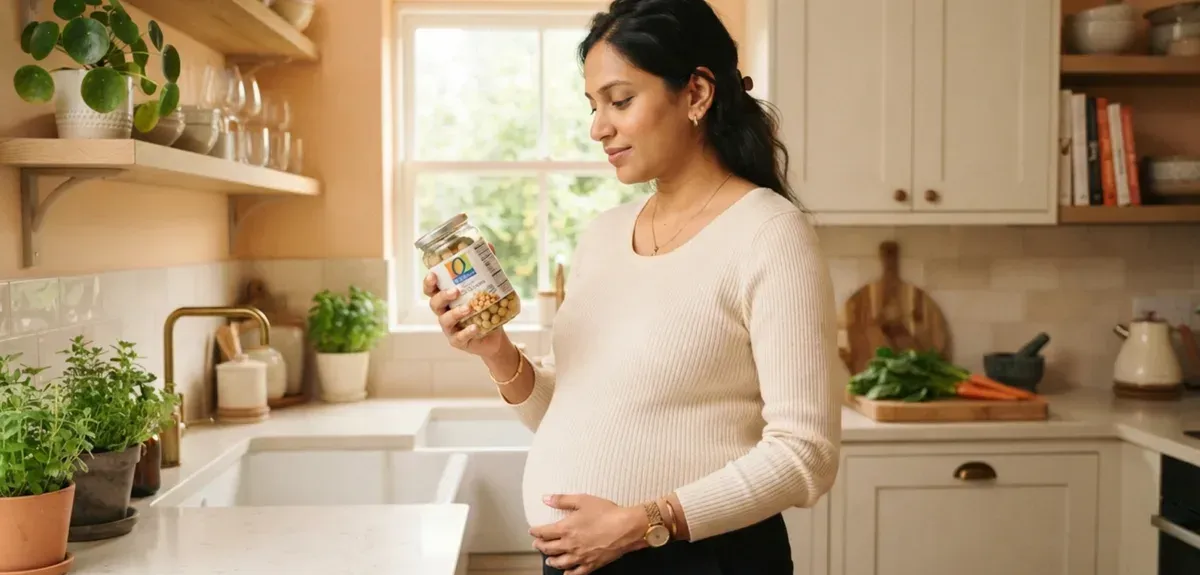
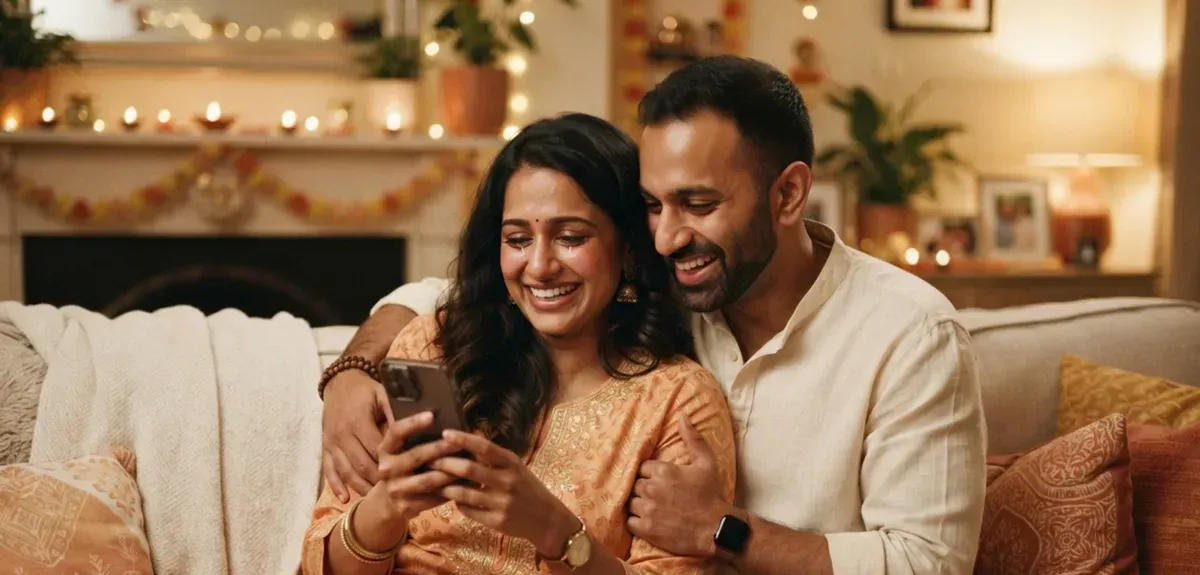
That moment when you see the positive pregnancy test is something you never forget. For me, it was a mix of happiness, hope, and just a tiny bit of skepticism — after all, we’d had a false alarm in month two, and I didn’t want to get ahead of myself. But when I told my husband, he smiled as if he’d already known what the result would be. He was calm, prepared, and immediately thinking ahead to the crucial months to come. We thanked God and prayed for everything to go well in the weeks and months ahead. If you’ve just found out you’re pregnant, you might be wondering: what now? There’s so much information out there, and it can feel overwhelming. In this post, I’ll share the practical steps we took after our positive test, what we learned, and advice for navigating those first exciting — and sometimes anxious — days.
First Things First: Take a Breath
Before you do anything else, pause and let the news sink in. This is a big moment. Whether you’ve been trying for months or this was a surprise, it’s okay to feel a whole range of emotions — excitement, nervousness, disbelief, joy, or even anxiety. We were happy, but we also knew that the major part of the journey was still ahead. The first trimester is crucial, and then there’s the entire nine months to navigate. We chose to stay calm, stay grateful, and focus on one step at a time. There’s no rush in these first hours. Take time to process, share the moment with your partner if you have one, and then move on to the practical steps.
Call Your Doctor or Midwife
This should be your first practical step: schedule your first prenatal appointment. What we did: We called the doctor the very next day after the positive test. The doctor agreed to see us and gave us an appointment for the following day. So within the same week of getting our positive result, we had our first appointment. Your first prenatal visit typically happens somewhere between 8-10 weeks of pregnancy, though this varies by provider and your specific situation. Calling your healthcare provider as soon as you have a positive test is recommended so they can schedule you appropriately and provide any immediate guidance in the meantime. At your first appointment, you can expect:
- Confirmation of your pregnancy
- Estimated due date calculation
- Review of your medical history
- Blood tests and possibly an early ultrasound
- Discussion of prenatal vitamins and supplements
- Guidance on what to do and what to avoid based on your health
We were eager to hear what the doctor had to say. While we’d already done our reading about pregnancy, getting personalized advice based on my specific health situation was invaluable.
Continue or Start Prenatal Vitamins
If you’ve been taking prenatal vitamins while trying to conceive, continue taking them. If you haven’t started yet, now is the time. Folic acid is especially important in early pregnancy — it helps prevent neural tube defects, which develop in the first 28 days, often before many women know they’re pregnant. For more details, read our guide on prenatal vitamins: when to start and what to take. What we did: I had already been taking prenatal multivitamins for about four months before we conceived, so I simply continued with the same routine. My doctor confirmed this was the right approach during our first appointment.
Decide When (and Who) to Tell
One of the first decisions you’ll face is whether to share the news — and with whom. What we did: We didn’t tell anyone. For the first three months, only the two of us knew. We had two main reasons for this:
- The first trimester is the most critical period. About 80% of miscarriages occur in the first 12 weeks. We felt that if we could get through those first three months without any issues, the pregnancy was likely to continue smoothly. We wanted to wait until we passed that milestone.
- Avoiding unnecessary stress. If we had told many people early on, they would naturally start asking about our health regularly. While well-intentioned, constantly thinking and talking about the pregnancy could create stress. We wanted to stay calm and not overthink things.
This is a personal decision, and there’s no right or wrong answer. Some couples share the news immediately with close family and friends for support. Others, like us, prefer to wait. Do what feels right for your situation.
Make Early Lifestyle Adjustments
Once you know you’re pregnant, some minor adjustments to your daily routine are wise — not dramatic changes, just added carefulness.
What I Changed
- Avoided heavy lifting: I stopped lifting heavy things like buckets or moving furniture
- Moved more carefully: No bending quickly or getting up suddenly — I took my time with movements
- Avoided physical exertion: I was more careful about not putting unnecessary strain on my body
- Continued gentle exercise: Our daily walks continued throughout pregnancy. Breathing exercises remained part of my routine too
The changes weren’t major — just a general sense of carefulness. I didn’t stop living my life; I just became more mindful of my body and its new responsibility.
Things to Avoid
According to NHS guidance on early pregnancy, there are certain things to avoid:
- Alcohol: No amount is considered safe during pregnancy
- Smoking: Increases risk of complications
- Certain foods: Raw or undercooked meat, unpasteurized dairy, high-mercury fish
- Excessive caffeine: Limit to 200mg per day (about one cup of coffee)
- Certain medications: Check with your doctor before taking any medication
- Hot tubs and saunas: High temperatures can be harmful in early pregnancy
Your doctor will give you a complete list of do’s and don’ts based on your specific situation. Don’t rely solely on internet research — get personalized guidance.
Be Prepared — Know Your Emergency Contacts
This is something that gave us peace of mind, especially since we were navigating pregnancy on our own without family nearby. What we did: We made sure we were updated with all important emergency contacts — our doctor’s clinic, the nearest hospital, emergency medical services, and friends in the area who could help if needed. It took some time, but eventually, we felt prepared to handle things on our own. Being just the two of us did cause some initial concern, but my husband handled it well. He made sure we had all the information we needed and created a plan for different scenarios. This preparation helped us feel more confident and less anxious.
The Role of Your Partner
If you have a partner, their support during early pregnancy is invaluable. The first trimester can be physically and emotionally challenging, and having someone by your side makes a huge difference. How my husband supported me:
- He was happy and calm throughout: His steady, positive attitude helped keep me grounded
- He talked to me constantly: He made an effort to understand how I was feeling and what I needed
- He helped with household work: Taking over tasks that required physical effort
- He brought surprises: Fresh flowers every now and then, small gestures to make me feel good
His whole idea was to make me feel good about everything — and he did it well. Those small acts of care and thoughtfulness meant the world to me during those early weeks.
Don’t Overwhelm Yourself with Information
It’s tempting to dive into endless research the moment you find out you’re pregnant. Apps, articles, forums, books — there’s so much information available. Our approach: We had already done our reading about pregnancy while trying to conceive, so finding out wasn’t a trigger to start researching frantically. Instead, we focused on what the doctor had to say. Professional, personalized guidance is more valuable than generic information you find online. By all means, educate yourself — but don’t let information overload create anxiety. Trust your healthcare provider and take things one step at a time.
A Simple Checklist: First Steps After Finding Out
Here’s a simple checklist to guide you through the first days after your positive test:
- Take a breath — Let the news sink in. Celebrate this moment with your partner.
- Call your doctor — Schedule your first prenatal appointment as soon as possible.
- Continue prenatal vitamins — Or start them if you haven’t already.
- Make simple lifestyle adjustments — Avoid alcohol, limit caffeine, be careful with physical exertion.
- Decide on sharing the news — Consider waiting until after the first trimester, or share when you feel ready.
- Know your emergency contacts — Have your doctor’s number, hospital information, and support network ready.
- Stay calm and don’t overthink — Focus on your doctor’s advice, not endless internet research.
- Lean on your partner — Share feelings, accept help, and navigate this together.
Final Thoughts
Finding out you’re pregnant is the beginning of an incredible journey. It’s normal to feel a whirlwind of emotions — and it’s okay not to have everything figured out immediately. The most important things in those early days are: call your doctor, continue taking care of yourself, and lean on your support system. Everything else can be figured out as you go. My advice: stay calm, keep the news to yourself for now if that feels right, and get your first doctor’s appointment done. Your healthcare provider will give you personalized guidance based on your health — and that’s more valuable than any article you’ll read online. Congratulations on your pregnancy. The journey ahead is challenging, beautiful, and absolutely worth it. For more on preparing your body for a healthy pregnancy, read our comprehensive guide on how to prepare your body for pregnancy.
Frequently Asked Questions
What should I do first after a positive pregnancy test?
Call your doctor or healthcare provider to schedule your first prenatal appointment. Continue or start taking prenatal vitamins (especially folic acid). Avoid alcohol, limit caffeine, and begin making gentle lifestyle adjustments. Take time to process the news emotionally before rushing into anything else.
When should I see a doctor after finding out I’m pregnant?
Call your doctor as soon as you get a positive test. Your first prenatal visit is typically scheduled between 8-10 weeks of pregnancy. However, your doctor may see you earlier if you have specific concerns or medical conditions. We called the next day and had our appointment within the same week.
When should I tell people I’m pregnant?
This is a personal decision. Many couples wait until after the first trimester (12 weeks) because about 80% of miscarriages occur in this period. We kept it to ourselves for the first three months to avoid stress from constant questions. Others prefer to share early for support. Do what feels right for you.
What should I avoid in early pregnancy?
Avoid alcohol, smoking, raw or undercooked meat, unpasteurized dairy, high-mercury fish, excessive caffeine (limit to 200mg/day), hot tubs and saunas, and certain medications. Also be careful with heavy lifting and strenuous physical activity. Consult your doctor for a complete list based on your health.
Can I continue exercising after finding out I’m pregnant?
Generally, yes — gentle exercise like walking, swimming, and prenatal yoga is beneficial and safe for most women. Avoid high-impact activities, contact sports, and exercises that risk falling. We continued our daily walks throughout pregnancy. Always check with your doctor about what’s safe for your specific situation.
Is it normal to feel anxious after finding out you’re pregnant?
Absolutely. Mixed emotions — excitement, anxiety, nervousness, even disbelief — are completely normal. The first trimester can be emotionally challenging due to hormonal changes and the weight of the news. Talk to your partner, lean on your support system, and don’t hesitate to discuss concerns with your doctor.
Should I start eating differently right away?
If you’ve been eating healthily while trying to conceive, continue that approach. Focus on nutritious, balanced meals with plenty of fruits, vegetables, proteins, and whole grains. Avoid harmful foods (raw fish, unpasteurized products). Your doctor will provide specific dietary guidance at your first appointment.
What if I’ve been drinking or smoking before I knew I was pregnant?
Don’t panic. Many women don’t know they’re pregnant in the very early weeks. The most important thing is to stop now. Speak honestly with your doctor about your habits so they can provide appropriate guidance and monitoring. Early prenatal care can help address any concerns.
Found this helpful?