Week 39 of Pregnancy: A Mini Watermelon, and Officially Full Term

Key takeaways
- By week 39, the baby is about 50.7cm long, roughly the size of a mini watermelon, and officially considered full term.
- Pregnancy normally lasts around 40 weeks, but most women go into labour anywhere from a week before to a week after their due date.
- The skin is coated in vernix, a protective waxy substance that also helps ease the baby through the birth canal.
- There's a wide, entirely normal range for when labour actually starts, even at full term.
- Some pregnancies, like ours, reach their outcome before this point entirely — full term is a milestone, not a requirement.
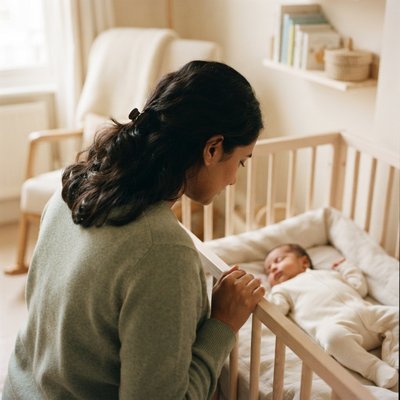
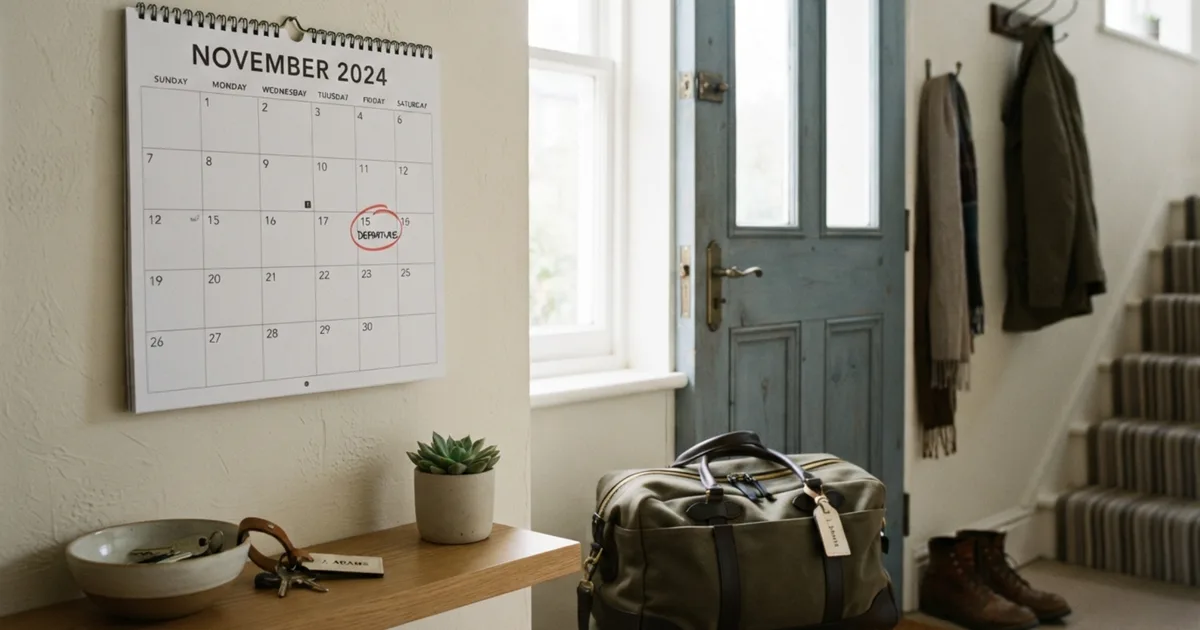
If you’re following along and still pregnant, week 39 is officially full term — a genuine milestone. By this point in our own story, our daughter had already been born about a week and a half earlier, and we were settling into life with a newborn rather than waiting for one.
What’s actually happening in your body
The baby is now around 50.7cm long, roughly the size of a mini watermelon, and this week marks official full term. Pregnancy normally lasts around 40 weeks, but most women go into labour anywhere from a week before to a week after their actual due date — full term isn’t a single fixed day so much as a window. The skin is coated in vernix, the protective waxy substance that has been building up, which also helps ease the baby’s passage through the birth canal during delivery, according to NHS guidance on week 39 of pregnancy.
What we were actually doing
We came home this week, with our doctors confirming everything was going well for both mother and baby. Rather than the anticipation and waiting that this week usually represents, our week 39 was about adjusting to a newborn at home — a completely different kind of preparation than the one this article is usually written for.
If you’re still pregnant and reading this at week 39, that’s exactly where the “textbook” timeline expects you to be. If your own pregnancy ends up moving earlier, like ours did, that’s a normal variation too, not a deviation from some fixed plan.
Nutrition focus this week
If you’re still pregnant, the same fundamentals continue to apply — your prenatal vitamin, and the general guidance in our foods and drinks to limit or avoid during pregnancy.
What to discuss with your doctor or midwife
If you’re at or approaching full term, confirm what your provider’s guidance is for when to call if you suspect labour has started, and what the plan looks like if you go past your due date. Having this settled in advance means less uncertainty in the moment.
Frequently asked questions
Does full term mean labour should start immediately?
No — full term is a range, not a single trigger point. Most women go into labour anywhere from a week before to a week after their due date, and that’s all considered normal.
What is vernix, and why does it matter?
It’s the waxy, protective coating on the baby’s skin that’s built up over pregnancy. It helps protect the skin in the womb and can also ease the baby’s passage through the birth canal during birth.
Is it unusual for a baby to arrive before week 39?
No — plenty of healthy babies, including our own daughter, arrive before full term for a variety of medical reasons. Early term (37 to 38 weeks and 6 days) babies are generally well-equipped to do well outside the womb too.
What size is the baby at week 39?
About 50.7cm long, roughly the size of a mini watermelon.
References
- NHS — Your Pregnancy and Baby Guide, Week 39. nhs.uk
Found this helpful?