Bathing a Newborn, Step by Step
Key takeaways
- A newborn doesn't need a bath every day — 'topping and tailing' (washing face, hands, and bottom) is a perfectly good alternative most days.
- Plain water is enough for at least the first month; soap, bubble bath, and heavily scented products can dry or irritate newborn skin.
- Run cold water first, then add hot, and always test the temperature with your wrist or elbow before your baby goes in.
- Keep the umbilical cord stump dry — only clean around it if it's visibly soiled, and avoid fully submerging it until it's fallen off.
- Never leave a baby alone in the bath, even for a few seconds, and skip bath seats — they don't remove the drowning risk.
Newborn bathing sounds like it should be simple, and in some ways it is — but the first few times, with a slippery, wriggling baby who can’t yet hold their own head up, it can feel far more nerve-wracking than expected. A clear step-by-step process helps.
You don’t need to bathe daily
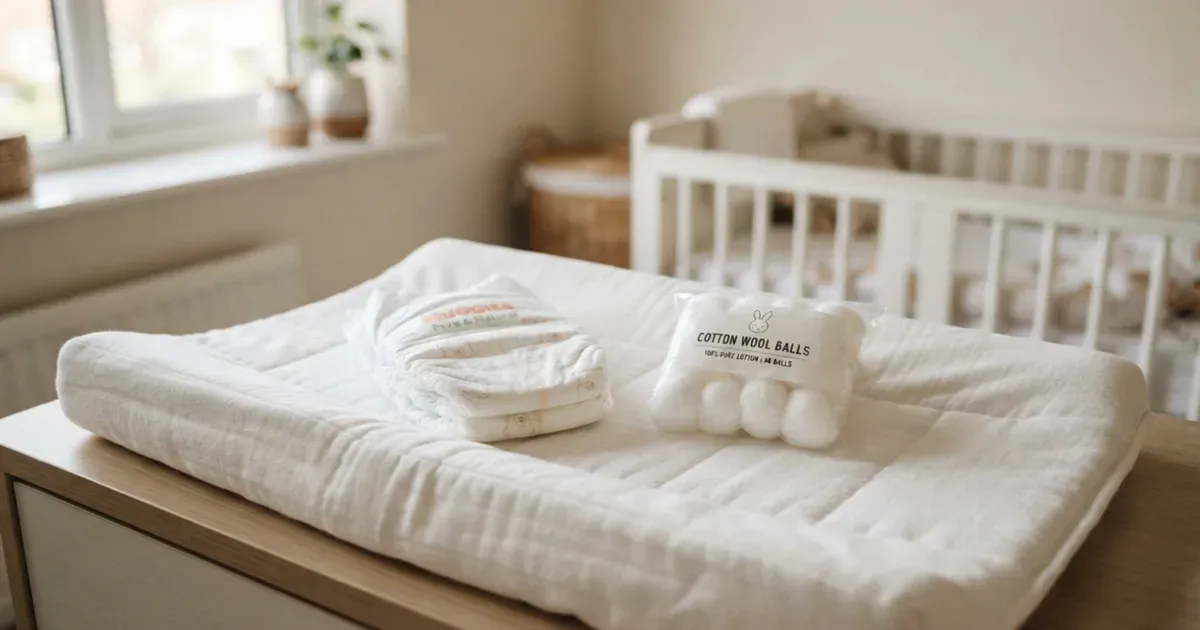
A full bath every day isn’t necessary and isn’t better for your baby’s skin. On days you’re not doing a full bath, “topping and tailing” — washing the face, neck, hands, and nappy area with damp cotton wool — keeps your baby clean without the fuss of a full bath every single time.
Getting the water right
Run the cold tap first, then add hot water, mixing thoroughly so there are no unexpected hot spots. Test the temperature with your wrist or elbow, which is more sensitive to heat than your hand, before your baby goes anywhere near it. The water should feel warm, not hot.
The step-by-step process
- Clean the face first, while your baby is still on your knee, using damp cotton wool, before undressing them.
- Wash the hair with plain water, supporting your baby’s head over the bath or a bowl, and dry it gently straight after — newborns lose heat quickly through a wet head.
- Remove the nappy last, right before going into the water.
- Lower your baby into the bath gradually, one hand supporting their head and neck, the other supporting their body, keeping their head clear of the water throughout.
- Gently swish water over their body with your free hand rather than pouring or splashing, which can startle or upset a newborn.
- Lift them out and pat — don’t rub — them dry, paying particular attention to the skin creases at the neck, underarms, and thighs, where moisture lingers.
- Dress them promptly afterward to help them stay warm; newborns cool down faster than adults expect. A fresh nappy and, if it’s bedtime, a swaddle right after drying off often helps a bath lead smoothly into a calmer, sleepier stretch.
What to use, and what to avoid
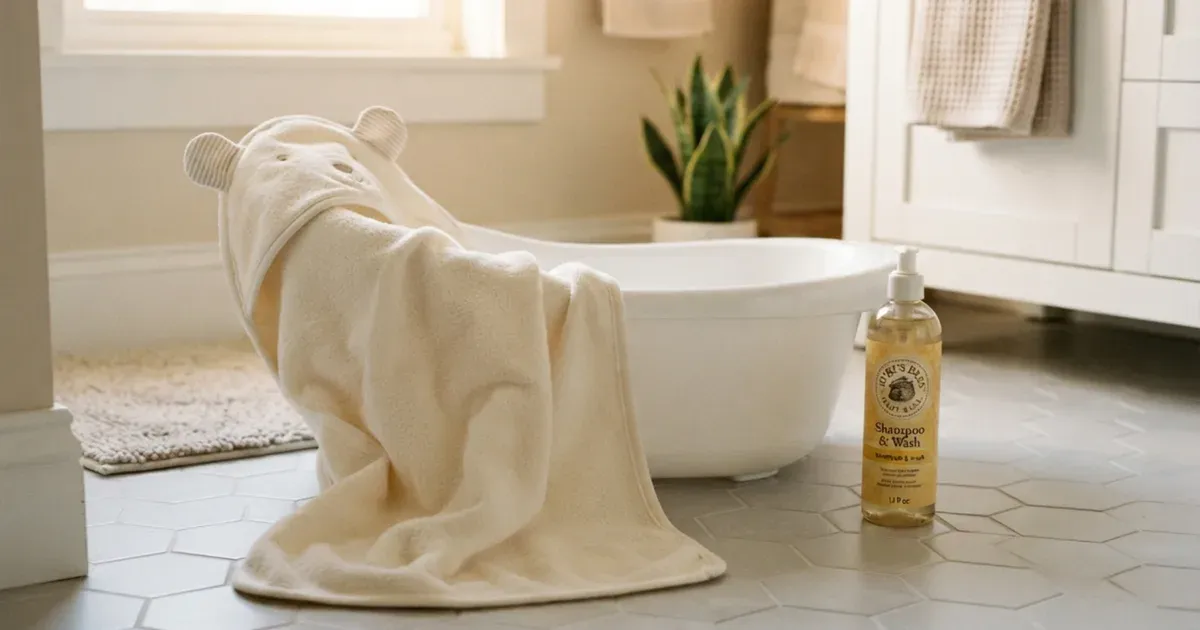
Plain water is genuinely enough for at least the first month. If you do want to use something more, a liquid cleanser specifically formulated for babies is the right choice — ordinary soap, bubble bath, and adult skincare products are typically too harsh and drying for newborn skin. The same goes for any post-bath oils or lotions: use only products designed for infants. This “less is more” approach applies just as much to nappy-area skincare, where fewer products generally mean less irritation, not more protection.
Bathing around the umbilical cord
You only need to clean around the umbilical cord stump if it’s visibly dirty with urine or stool — otherwise, leave it alone and let it dry naturally. Keeping the cord area dry matters more than keeping it perfectly clean, so avoid fully submerging it in bathwater until it has fallen off on its own, and if it does need cleaning, use fresh cotton wool and warm water, then pat it dry rather than rubbing.
Safety, every single time
Never leave your baby alone in the bath, not even for a few seconds to grab a towel or answer the door — have everything you need within arm’s reach before you start. Bath seats and rings are not a safe substitute for supervision; they don’t meaningfully reduce drowning risk and can give a false sense of security.
Frequently asked questions
Do I need to bathe my newborn every day?
No — topping and tailing on the days in between a full bath is perfectly adequate, and there’s no health benefit to bathing more often than that in the early weeks.
What water temperature is safe?
Warm, not hot. Run cold water first, then add hot, mixing thoroughly, and always test with your wrist or elbow before your baby goes in — never rely on hand-feel alone.
Can I use soap or baby shampoo from the start?
Plain water is genuinely enough for at least the first month. If you want to use a cleanser, choose one specifically made for babies rather than an adult product or ordinary soap.
How do I bathe my baby without getting the umbilical cord wet?
Clean around it only if it’s visibly soiled, and avoid fully submerging it until the stump has dried and fallen off on its own — a sponge bath or careful shallow bath keeps the area drier in the meantime.
Is it ever okay to leave my baby briefly in the bath?
No — not even for a few seconds. Have your towel, clean nappy, and clothes ready before you start, and skip bath seats, which don’t remove the need for constant supervision.
References
- NHS — Washing and bathing your baby. nhs.uk
Found this helpful?