Diapering Basics and Preventing Diaper Rash
Key takeaways
- Newborns typically need 10-12 nappy changes a day — far more frequent than most new parents expect.
- Most diaper rash comes down to one thing: skin left in contact with urine or stool for too long.
- Prevention is simpler than treatment — frequent changes, thorough drying, and some nappy-free time each day prevent most cases before they start.
- Avoid soap, bubble bath, lotions, and talcum powder on the nappy area — plain water or fragrance-free wipes are gentler and just as effective.
- A rash that doesn't improve after a few days of home care, or that comes with blisters, spreading, or fever, needs a pharmacist or GP, not more of the same cream.
Nobody quite prepares you for how often a newborn actually needs changing — it’s not the occasional task new parents sometimes picture, but a near-constant one in the early weeks.
How often, really
Young babies need changing as often as 10 to 12 times a day. Some babies have particularly delicate skin and need changing the moment they’re wet; others can comfortably wait until just before or after a feed. Every baby who has done a poo needs changing as soon as reasonably possible — stool sitting against skin is the single biggest driver of nappy rash, more than wetness alone. If your baby has an umbilical cord stump that hasn’t fallen off yet, fold the nappy down below it at each change rather than up over it, to keep the area dry.
What actually causes diaper rash
Nappy rash — red, sore, sometimes hot-looking patches across the nappy area — comes down mainly to prolonged contact with urine or stool, friction from the nappy itself, or a reaction to a particular product. Certain medications, including antibiotics your baby or a breastfeeding parent is taking, can also trigger it, as can thrush, a fungal infection that needs a slightly different treatment than ordinary rash.
Preventing it, day to day
A few consistent habits prevent most cases before they ever start:
- Check nappies often rather than on a fixed schedule, and change promptly once wet or soiled
- Clean the area gently with plain water or fragrance-free, alcohol-free wipes rather than soap or bubble bath
- Pat the skin dry rather than rubbing, and make sure it’s genuinely dry before putting on a fresh nappy
- Give some nappy-free time each day when practical, letting the skin air out
- Use a well-fitting, sufficiently absorbent nappy — one that’s too tight adds friction, one that’s not absorbent enough leaves skin wet longer
Avoid talcum powder and antiseptic products on the nappy area entirely; neither helps, and both can irritate skin further. The same “plain water, nothing extra” principle applies at bathtime — newborn skin generally does better with fewer products, not more.
Treating a rash that’s already started
Most nappy rash improves within a few days of consistent gentle cleaning, thorough drying, and extra nappy-free time. A barrier cream applied at every change — recommended by a pharmacist — protects the skin while it heals. If a rash doesn’t settle with that home care, a GP may prescribe a mild steroid cream, an antifungal cream if thrush is suspected, or antibiotics if there’s a bacterial infection.
When it’s more than ordinary rash
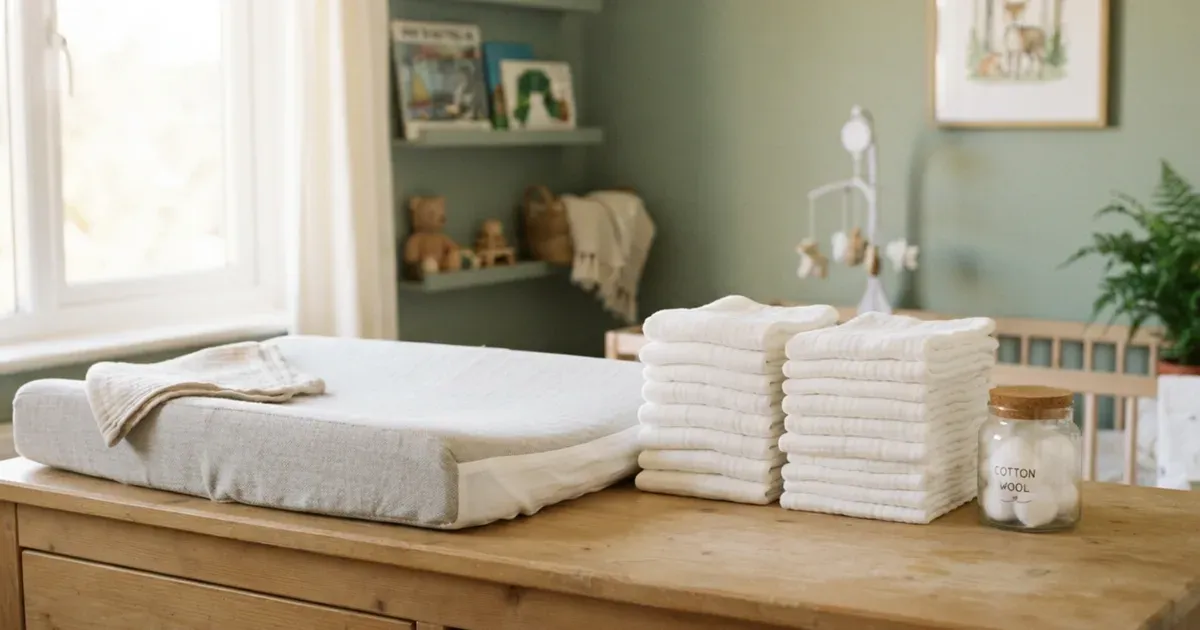
See a pharmacist or GP if the rash doesn’t improve after a few days of home treatment, gets worse or spreads, comes with spots, pimples, or blisters, or if your baby seems unusually uncomfortable or develops a fever. These are reasonable signs that something beyond simple friction/wetness irritation is going on, and a different treatment approach may be needed. Building a well-stocked changing station from the start — covered in our postpartum checklist — makes it easier to change nappies the moment you notice them, rather than putting it off.
Frequently asked questions
How many times a day does a newborn actually need changing?
Typically 10 to 12 times, though it varies — some babies need changing the instant they’re wet, others can wait until around feed times. Every poo should be changed as soon as reasonably possible.
What’s the single biggest cause of diaper rash?
Skin staying in contact with urine or stool for too long. Frequent changes and thorough drying prevent the large majority of cases.
Should I use wipes or just water?
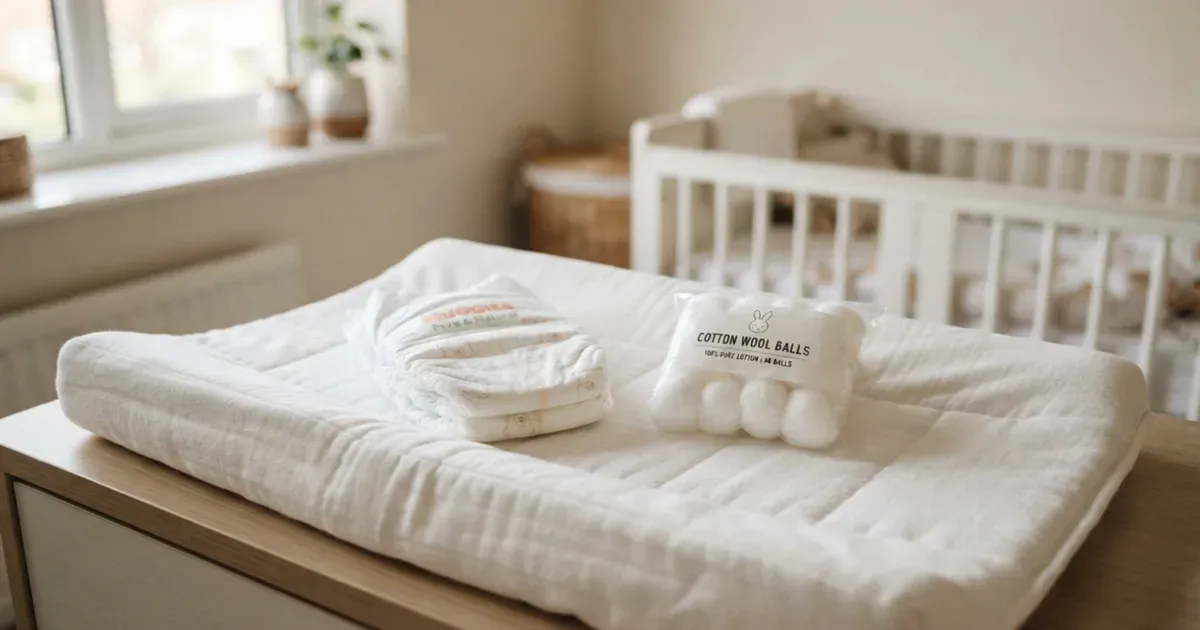
Plain water and cotton wool, or fragrance-free and alcohol-free wipes, are both fine. Avoid soap, bubble bath, and scented products, which are more likely to irritate than help.
Is nappy-free time actually useful, or just a nice-to-have?
It genuinely helps — letting the skin air out for a stretch each day reduces the constant moisture and friction that lead to rash, on top of the other prevention habits.
When should I stop treating a rash at home and see a doctor?
If it hasn’t improved after a few days of consistent gentle care, if it’s spreading or worsening, if you see blisters or pimples, or if your baby has a fever — any of these warrants a pharmacist or GP rather than continuing the same home routine.
References
- NHS — Nappy rash. nhs.uk
Found this helpful?