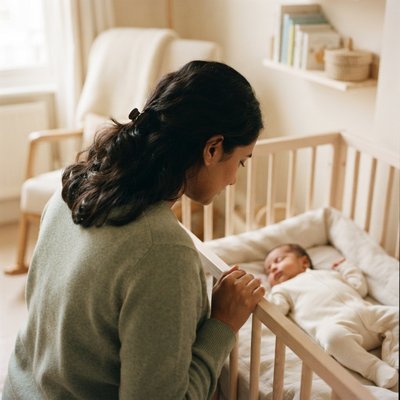
Postpartum Nutrition: Foods That Support Healing and Breastfeeding
Key takeaways
- No special postpartum diet is required — a well-balanced diet with the usual food groups covers most of what you need.
- Breastfeeding mothers are advised to take a 10 microgram vitamin D supplement daily, especially relevant in low-sunlight climates.
- Two portions of fish a week, with one oily (salmon, sardines, mackerel), is recommended — but no more than one portion of high-mercury fish like shark or swordfish.
- Iron-rich foods are worth prioritising after the blood loss of birth, even without a specific supplement being prescribed.
- Caffeine while breastfeeding is generally kept under 300mg a day, and NHS guidance is that not drinking alcohol at all is the safest choice.
Living somewhere with genuinely limited winter daylight, as we do in Finland, changes how seriously I take the vitamin D guidance for new mothers — it’s easy to assume “eat well” covers everything, but a few specific things matter more right now than general good habits alone.
This is one of the areas our fourth trimester overview only touches briefly, so it gets its own space here.
No special diet — but a few real priorities
The NHS is direct about this: you don’t need a special diet while breastfeeding, just a well-balanced one — at least 5 portions of fruit and vegetables a day, wholemeal starchy foods for steady energy, and protein from meat, fish, eggs, beans, pulses, and nuts. That’s the baseline. A handful of specifics are worth knowing on top of it.
Vitamin D — worth taking seriously
Breastfeeding mothers are advised to take a daily supplement containing 10 micrograms of vitamin D, and this matters even more if you live somewhere with limited sun for large parts of the year. Breastfed babies need their own supplement too — 8.5 to 10 micrograms daily from birth to age one, unless they’re getting at least 500ml of formula a day, which is already fortified. This is one of the few areas where “eat a varied diet” genuinely isn’t enough on its own, regardless of where you live, but especially if your winters look like ours.
Fish, and the mercury caveat
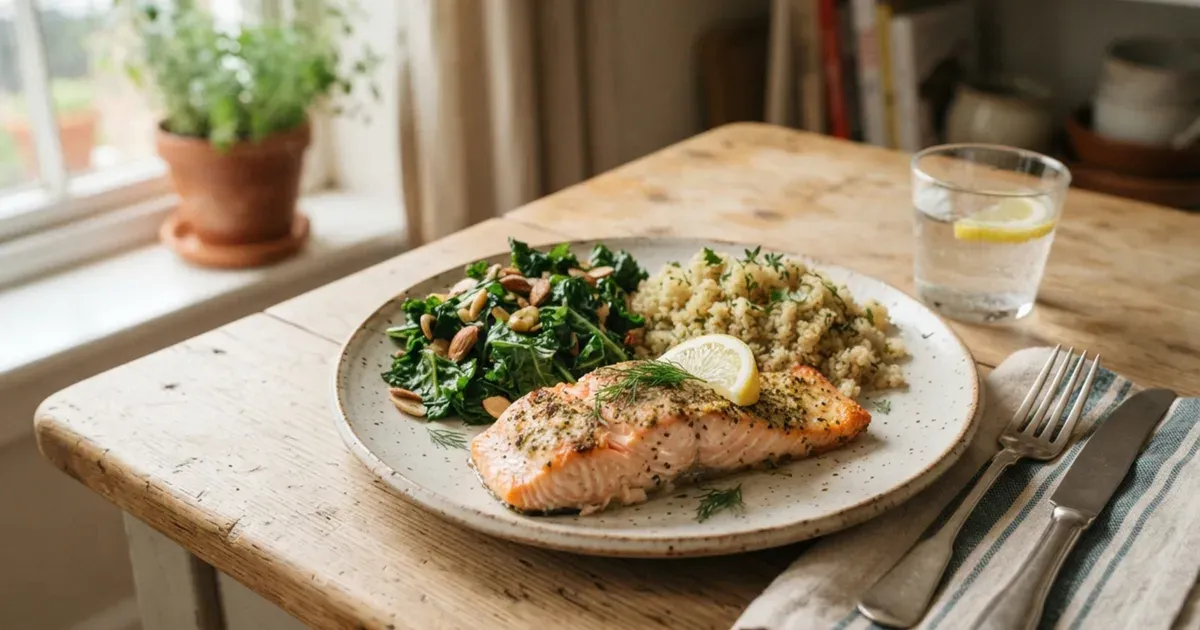
Aim for two portions of fish a week, with one of them oily — salmon, sardines, or mackerel are the easy options, and they’re genuinely good sources of the omega-3s that support both your recovery and your baby’s development if you’re breastfeeding. The caveat: shark, swordfish, and marlin carry more mercury than most fish, so keep those to no more than one portion a week if you eat them at all.
Iron, after the blood loss of birth
Birth involves real blood loss, and it’s worth deliberately prioritising iron-rich foods afterward — red meat, leafy greens like spinach, beans and lentils, and fortified cereals — even if you haven’t been specifically prescribed an iron supplement. If you’re feeling persistently exhausted beyond what normal new-parent sleep deprivation would explain, it’s worth mentioning to your GP rather than assuming tiredness is just the baseline now.
Caffeine and alcohol, if you’re breastfeeding
Caffeine is generally kept under 300mg a day while breastfeeding — roughly two to three cups of coffee, though it adds up quickly with tea, cola, and chocolate too. On alcohol, the NHS’s position is straightforward: not drinking at all is the safest choice while breastfeeding, though if you do choose to drink, timing it well after a feed and waiting before the next one reduces how much reaches your baby.
Frequently asked questions
Do I need to eat significantly more while breastfeeding?
Your energy needs do increase somewhat, but appetite is a reasonable guide — there’s no need to count a specific extra number of calories. Focus on the food quality points above rather than simply eating more of everything.
Do I really need a vitamin D supplement if I eat well?
Yes, if you’re breastfeeding — vitamin D is hard to get from diet alone, and a 10 microgram daily supplement is recommended regardless of how well-balanced your diet otherwise is, especially relevant in low-sunlight climates.
Which fish should I actually avoid while breastfeeding?
Nothing needs to be avoided entirely, but limit shark, swordfish, and marlin to no more than one portion a week due to higher mercury content. Two portions of other fish, including one oily fish, is the general target.
Is any amount of alcohol safe while breastfeeding?
Not drinking at all is the safest option per NHS guidance. If you do drink, doing so right after a feed and allowing time before the next one reduces the amount that reaches your baby.
Do I need to take iron supplements after birth?
Not necessarily as a formal prescription, but prioritising iron-rich foods is sensible given the blood loss involved in birth. Persistent, unusual exhaustion is worth raising with your GP rather than assuming it’s just normal new-parent tiredness.
References
Found this helpful?