How to Lose Belly Fat: What Actually Works, Without Crash Diets
Key takeaways
- Visceral fat (around your organs, not just under the skin) carries real health risks, not just cosmetic ones.
- No exercise burns fat from one spot only — crunches alone will not target belly fat specifically.
- Chronic stress raises cortisol, which research links to more fat storage specifically around the abdomen.
- A modest calorie deficit, strength training, and consistent sleep outperform any single 'trick.'
- For women, a waist measurement over 35 inches is a recognised marker of increased health risk.
After my daughter was born, I spent a solid month searching “lose belly fat fast” during 2am feeds. Every article promised a flat stomach in ten days. Almost none of them mentioned that the fat sitting around your belly is doing something biologically active — and that changes how you should actually think about losing it.
What belly fat actually is, and why it’s not just about looks
Not all belly fat is the same. Subcutaneous fat — the kind you can pinch — sits just under the skin. Visceral fat sits deeper, around your abdominal organs, and it’s the one that matters more for health. Mayo Clinic’s guidance for women is specific about this: too much visceral fat raises the risk of high blood pressure, high blood sugar, heart disease, and fatty liver — and a waist measurement over 35 inches for women is a recognised signal that it’s worth paying attention to, independent of your overall weight.
That’s the useful reframe here. This isn’t about a flatter stomach for its own sake — it’s one of the more meaningful things you can act on for long-term health.
Diet is the biggest lever, most of the time
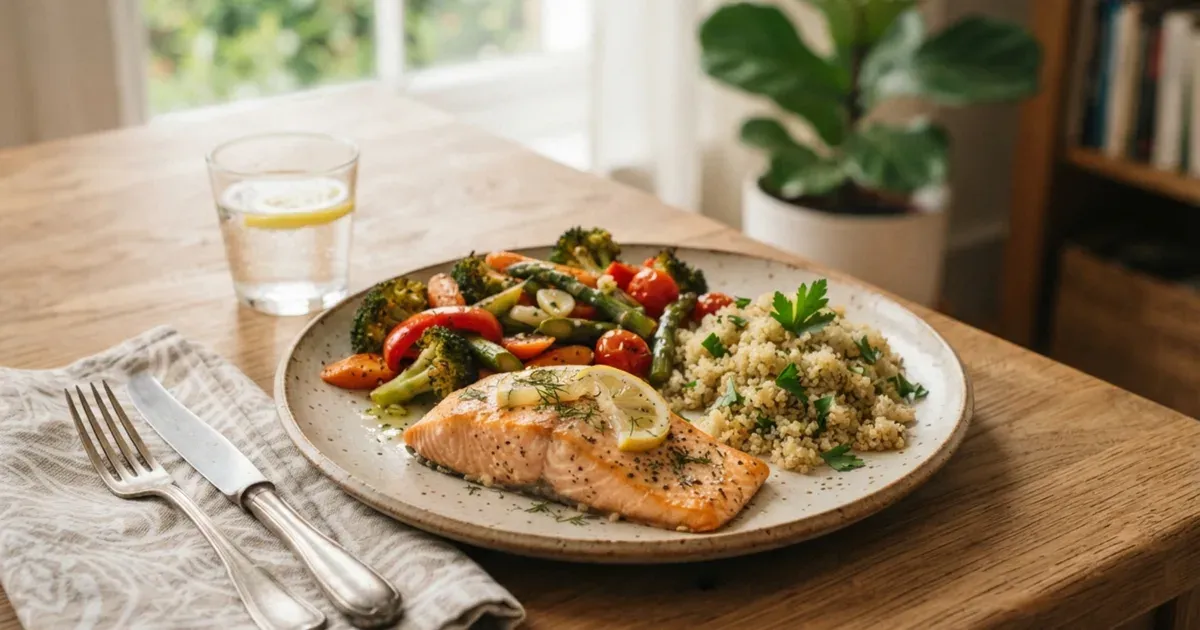
Nothing here is exotic. A diet built around whole foods — vegetables, lean protein, whole grains, and healthy fats — does more for belly fat than any single “belly fat food.” Two things are worth being specific about:
Sugar, especially liquid sugar. Sodas, sweetened coffees, and fruit juices are an easy way to take in a lot of sugar without feeling full. Harvard’s Nutrition Source links regular sugary drink consumption to weight gain and increased abdominal fat specifically — cutting these back tends to matter more than cutting carbs in general.
Fibre. Foods high in soluble fibre — oats, legumes, and most vegetables — slow digestion and help you stay full on fewer calories. If you’re rebuilding your breakfast habits, oats are a genuinely good place to start.
Protein. This is the one people underestimate most. Protein takes more energy to digest than carbs or fat, and it’s the most filling macronutrient gram for gram — which matters because most belly-fat plans fail from hunger, not lack of willpower. Eggs, fish, lentils, and dairy at each meal make the overall calorie deficit far easier to sustain without constantly thinking about food.
Apple cider vinegar comes up a lot in this context too. The evidence is more modest than the internet claims, but there’s some real support for it aiding fullness and blood sugar control — I use it occasionally as a simple homemade version diluted in water before a meal, more as a habit than a fix.
Movement that actually helps
Regular physical activity is one of the most well-evidenced tools here — Mayo Clinic’s overview of exercise benefits covers weight management alongside better sleep, mood, and cardiovascular health, all of which indirectly support fat loss too. A mix of cardio (walking, cycling, swimming) and strength training tends to outperform either one alone, since muscle mass itself raises your resting metabolic rate.
What doesn’t work: targeting belly fat specifically with crunches or sit-ups. Spot reduction — the idea that you can burn fat from one area by exercising that area — isn’t how the body works. Core exercises build and tone the muscle underneath, which is worthwhile, but they don’t preferentially burn the fat covering it.
Sleep and stress — the two most underrated levers
Poor sleep disrupts ghrelin and leptin, the hormones that regulate hunger and fullness, which is a big part of why short sleep is consistently linked to weight gain. If your evenings are chaotic, fixing that is worth more than most food swaps — a steadier morning routine usually starts with a steadier bedtime the night before.
Stress is the less obvious lever. Abdominal fat cells have more cortisol receptors than fat elsewhere in the body, and research on visceral obesity and stress suggests that chronically elevated cortisol specifically encourages fat storage around the midsection — one theory for why stubborn belly fat and stressful periods of life so often show up together. The evidence isn’t universally agreed on, but the mechanism is plausible enough that stress management belongs in this conversation, not as an afterthought.
What about alcohol?
Alcohol is calorie-dense, easy to underestimate, and — per the National Institute on Alcohol Abuse and Alcoholism — heavier drinking is linked to increased risk of weight gain and disrupted metabolic health. You don’t need to cut it out entirely for it to be worth noticing how much of your weekly calorie intake it quietly accounts for.
The biggest misconception: quick fixes and spot reduction
Two claims are worth retiring. First, “lose belly fat in 10 days” — visceral fat responds to sustained habits over weeks and months, not a single week of clean eating. Second, “crunches burn belly fat” — as covered above, they build muscle, not targeted fat loss. Neither claim is malicious, but both set people up to feel like they’ve failed when a realistic, working approach just takes longer than the headline promised.
Priyanka’s tip: The habit that actually stuck for me wasn’t a diet change — it was moving my evening walk to right after dinner instead of “whenever I get to it.” Consistency beat intensity, by a wide margin.
Frequently asked questions
Can I lose belly fat just by doing crunches or sit-ups?
No. Crunches strengthen and tone your abdominal muscles, but they don’t burn fat specifically from that area. Losing visceral fat requires an overall calorie deficit through diet and full-body exercise, not spot-targeted moves.
How does stress actually contribute to belly fat?
Chronic stress raises cortisol, and fat cells in the abdomen have more cortisol receptors than fat elsewhere in the body. Sustained high cortisol is linked to increased abdominal fat storage, on top of the cravings and disrupted sleep that stress often brings.
Is belly fat really a health issue, or just appearance?
It’s a genuine health issue. Visceral fat specifically is linked to higher risk of heart disease, type 2 diabetes, high blood pressure, and fatty liver, independent of your overall body weight.
How long does it realistically take to see a difference?
Most people see meaningful change over weeks to a few months with consistent habits, not days. The pace depends on your starting point, diet, sleep, and activity level.
Do women need a different approach to losing belly fat than men?
The fundamentals — diet, movement, sleep, stress management — are the same. Hormonal factors (including pregnancy, postpartum recovery, and menopause) can shift where and how easily women store abdominal fat, which is worth factoring in rather than following generic advice built around a male baseline.
References
- Mayo Clinic — Belly fat in women: Taking — and keeping — it off. mayoclinic.org
- Mayo Clinic — Exercise: 7 benefits of regular physical activity. mayoclinic.org
- Harvard T.H. Chan School of Public Health — Sugary Drinks. nutritionsource.hsph.harvard.edu
- Drapeau V, et al. (2003). Is visceral obesity a physiological adaptation to stress? Panminerva Medica. pubmed.ncbi.nlm.nih.gov
- National Institute on Alcohol Abuse and Alcoholism — Alcohol’s Effects on the Body. niaaa.nih.gov
Found this helpful?