Green Tea Benefits: What's Real, and the Liver Risk Supplements Don't Mention
Key takeaways
- Green tea's most-studied compound, EGCG, has a real but modest effect on weight and metabolism — noticeable in research, not dramatic in daily life.
- Concentrated green tea extract supplements carry a documented risk of serious liver injury, distinct from the risk profile of ordinary brewed tea.
- Green tea meaningfully reduces how much iron you absorb from plant-based foods if drunk with or right after a meal.
- The iron effect is specific to non-heme (plant) iron — it doesn't meaningfully affect iron from meat, fish, or poultry.
- Brewed green tea, drunk in normal amounts and away from meals if you're managing iron levels, remains a genuinely reasonable everyday choice.
Green tea became a habit for me almost by accident in Finland — it’s simply what’s offered everywhere, in a way coffee is back home. It took actually reading the research, rather than the endless “superfood” framing you see everywhere, to understand which of green tea’s reputation is solid and which is closer to supplement-industry marketing.
What actually holds up: metabolism, modestly
Green tea’s most-studied compound is EGCG (epigallocatechin gallate), a catechin that appears to influence how your body processes fat. Multiple systematic reviews and meta-analyses of clinical trials have found green tea catechins — particularly combined with caffeine — produce statistically real reductions in body weight, BMI, and waist circumference. The honest caveat, repeated across this research, is that the effect is small: worth having as part of a broader pattern, not a reason to expect noticeable results from tea alone. Pairing it with actual exercise training showed a modest additional benefit over exercise alone, rather than tea replacing the need for it.
The risk almost no one mentions: concentrated extract supplements
This is the part I think gets buried under the “green tea is healthy” headline, and it’s worth being direct about. Brewed green tea and concentrated green tea extract supplements are not the same risk category. A comprehensive USP safety review found documented cases of serious, occasionally severe liver injury linked to green tea extract supplements — generally at EGCG doses far higher than what you’d get from a cup of brewed tea, often taken daily for two weeks or more before symptoms appeared. The concentrated dose appears to matter enormously here: normal brewed tea consumption doesn’t carry the same documented risk. If you’re taking a green tea extract supplement rather than drinking the tea itself, that’s worth knowing, and worth mentioning to your doctor, especially if you notice unusual fatigue, nausea, or yellowing of the skin or eyes.
The iron interaction worth planning around
Green tea’s tannins and catechins bind to iron in your gut, meaningfully reducing how much non-heme (plant-based) iron you absorb from the same meal — research measuring this directly found reductions large enough to matter for anyone managing iron levels closely, including people who are anaemic or pregnant. The effect is specific to plant-based iron sources like lentils, spinach, or fortified cereal; it doesn’t meaningfully touch the iron in meat, fish, or poultry. The simple fix is timing: drink green tea between meals rather than with them, particularly if iron is something you’re actively watching.
Green tea during pregnancy
Green tea does contain caffeine, so it counts toward your daily caffeine total alongside coffee — our guide to foods and drinks to limit or avoid during pregnancy covers the overall caffeine limits in detail. Given the iron-absorption effect above, I was also careful to have it well away from iron-rich meals, especially once my iron levels were being checked more closely as pregnancy went on.
The biggest misconception about green tea
Green tea gets treated as an almost medicinal cure-all — for weight, for cancer risk, for nearly everything — when the honest picture is a food with one modestly real effect (metabolism) and one supplement-specific risk (liver injury from concentrated extract) that rarely gets mentioned in the same breath as the benefits. Neither extreme — “miracle” or “harmless in any form” — reflects the actual research.
How I actually use green tea at home
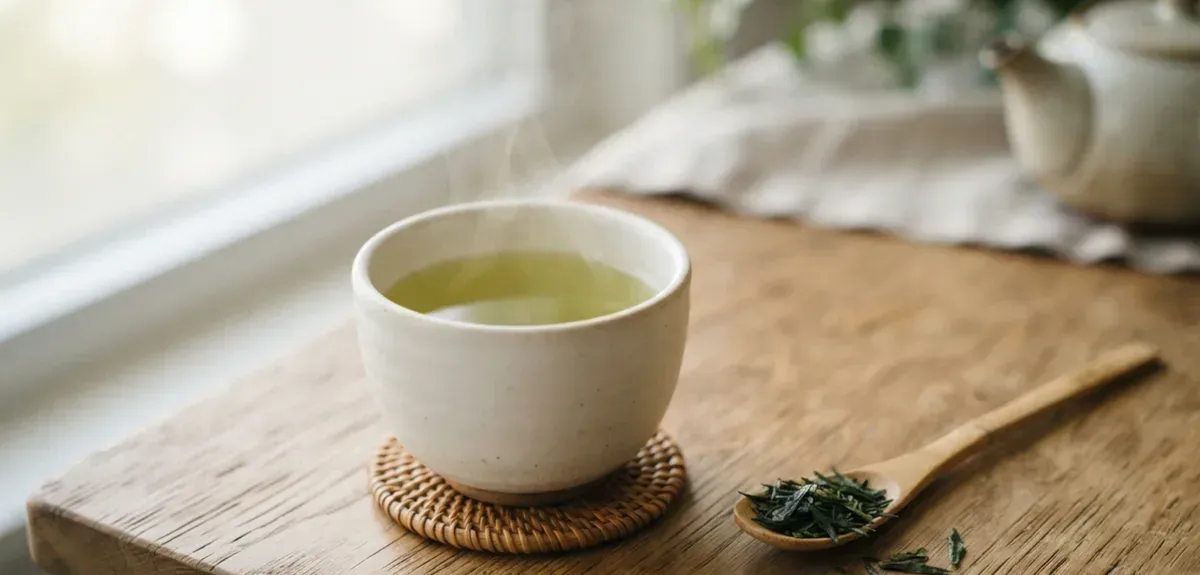
A cup or two of properly brewed green tea, away from my main meals, is where I’ve landed — steeped for 2-3 minutes rather than left stewing, which keeps the bitterness (and some of the tannin content) down.
Priyanka’s tip: If green tea tastes bitter to you, the water is probably too hot — green tea (unlike black tea) does best around 75-80°C, just off the boil, not poured straight from a kettle at full temperature.
Frequently asked questions
Does green tea actually help with weight loss?
It has a real but modest effect, shown consistently across research, particularly combined with caffeine and exercise. It’s not a significant weight-loss strategy on its own.
Is green tea bad for your liver?
Ordinary brewed green tea isn’t linked to the same liver injury risk as concentrated green tea extract supplements, which have documented cases of serious harm at much higher EGCG doses. If you take a supplement rather than drink the tea, that distinction matters.
Does green tea affect iron absorption?
Yes — it meaningfully reduces absorption of non-heme (plant-based) iron if drunk with or shortly after a meal. It doesn’t significantly affect iron from meat, fish, or poultry. Drinking it between meals avoids the issue.
Is green tea safe during pregnancy?
In moderate amounts, yes, but it contains caffeine that counts toward your daily limit, and the iron-absorption effect is worth planning around if your iron levels are being monitored.
How much green tea is safe to drink daily?
A few cups a day is reasonable for most healthy adults from a caffeine standpoint. The liver-injury risk is specifically tied to concentrated extract supplements, not ordinary brewed tea at typical intake.
References
- Hursel R, et al. Effect of green tea catechins with or without caffeine on anthropometric measures: a systematic review and meta-analysis. American Journal of Clinical Nutrition, 2009. pubmed.ncbi.nlm.nih.gov
- NIH LiverTox — Green Tea. National Institute of Diabetes and Digestive and Kidney Diseases. ncbi.nlm.nih.gov
- Disler PB, et al. The effect of tea on iron absorption. Gut, 1975. pubmed.ncbi.nlm.nih.gov
Found this helpful?