Beetroot Nutrition: The Iron and Anaemia Claim, Fact-Checked
Key takeaways
- Raw beetroot has just 0.8mg of iron per 100g — modest, not exceptional, and less than lentils, spinach, or red meat.
- The claim that beetroot cures or meaningfully treats anaemia isn't well supported by the evidence on its iron content alone.
- What beetroot is genuinely well-evidenced for is nitrates and blood pressure — a real, trial-tested effect.
- Non-heme iron (the plant kind in beetroot) absorbs far better when paired with vitamin C in the same meal.
- Iron-deficiency anaemia affects a majority of Indian women, which is exactly why the beetroot myth needs correcting, not dismissing.
Source: USDA FoodData Central
My mother-in-law in Finland swears by beetroot for her iron levels, and my own mother in India used to grate it into parathas whenever anyone in the family looked pale. Two food cultures, the same belief. So when I actually sat down with the USDA numbers, I was surprised — not because beetroot turned out to be useless, but because the thing everyone credits it for isn’t really its strongest evidence.
What’s actually in beetroot
Raw beetroot is low-calorie and genuinely nutrient-dense in a few specific ways: 43 calories per 100g, 9.6g of carbohydrate (mostly natural sugars), 2.8g of fibre, and 109mcg of folate — close to a third of a typical adult’s daily folate needs in one serving. It’s a good source of potassium and manganese too. What it is not particularly high in, compared to its reputation, is iron.
The iron and anaemia claim, examined honestly
Here’s the number that surprised me: raw beetroot contains 0.8mg of iron per 100g. For comparison, cooked lentils carry roughly 3.3mg per 100g, spinach around 2.7mg, and lean red meat 2–3mg — all two to four times beetroot’s iron content, and meat iron absorbs considerably better besides. Beetroot’s iron content is real, but it’s not exceptional, and it’s nowhere near strong enough on its own to meaningfully move the needle on iron-deficiency anaemia.
This matters because the belief runs deep, and for good reason to want it to be true: anaemia is a genuinely serious problem for Indian women specifically. NFHS-5 (India’s National Family Health Survey, 2019–21) found that 57% of women aged 15–49 in India were anaemic — up from 53.2% in the previous survey round. That’s a majority of women in the exact age group this site’s readers fall into. It’s precisely because the problem is this widespread that the beetroot-cures-anaemia idea deserves a proper fact-check rather than either blind repetition or dismissal.
The honest answer sits in between. Beetroot’s deep red colour and its association with “blood” in food folklore across multiple cultures created an intuitive but not-quite-accurate shortcut. It’s a reasonable contributor to iron intake as part of a varied diet — every bit helps — but it is not a treatment for diagnosed anaemia, and it shouldn’t be the primary food anyone leans on if a blood test shows low iron or low haemoglobin. That needs a proper diagnosis, iron-rich foods in meaningfully larger quantities, and often supplementation under medical guidance.
What beetroot is actually well-evidenced for
The genuinely strong evidence behind beetroot isn’t about iron at all — it’s about nitrates and blood pressure. Beetroot is naturally rich in dietary nitrates, which your body converts into nitric oxide, a compound that helps blood vessels relax and dilate. A systematic review and meta-analysis published in the Journal of Nutrition, pooling 16 randomized crossover trials, found that nitrate and beetroot juice supplementation reduced systolic blood pressure by an average of 4.4 mmHg — a real, statistically significant effect (P < 0.001), with a smaller, less consistent effect on diastolic pressure. That’s not a dramatic number, and it won’t replace medication for anyone with diagnosed hypertension, but it’s a rare case in vegetable folklore where the trial evidence actually backs the reputation.
This is the part of the beetroot story that deserves more attention than it gets. It’s just less catchy than “good for your blood,” so it gets buried under the iron claim instead of leading it.
Pairing beetroot with vitamin C — the detail that actually helps with iron
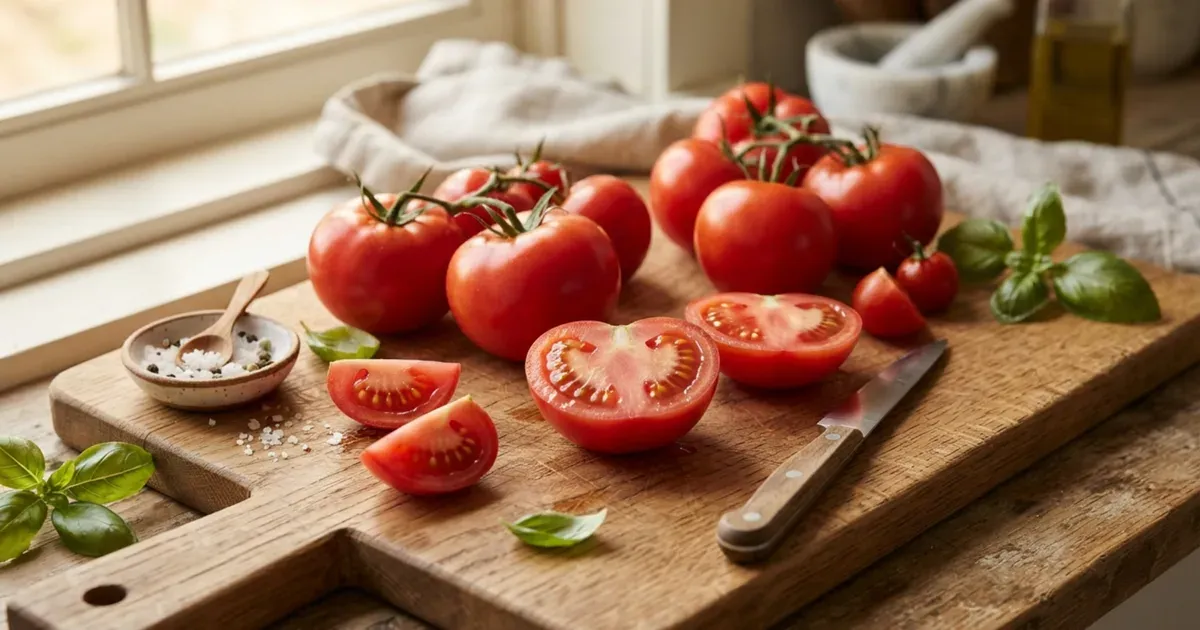
If you do want beetroot to contribute meaningfully to your iron intake, pairing matters more than quantity. The iron in beetroot is non-heme iron, the plant-based form, which your body absorbs far less efficiently than the heme iron in meat and fish. According to the NIH Office of Dietary Supplements, eating vitamin C-rich foods alongside non-heme iron sources — citrus fruits, tomatoes, bell peppers, amla — measurably improves how much of that iron your body actually takes up, because vitamin C converts iron into a form your gut absorbs more readily.
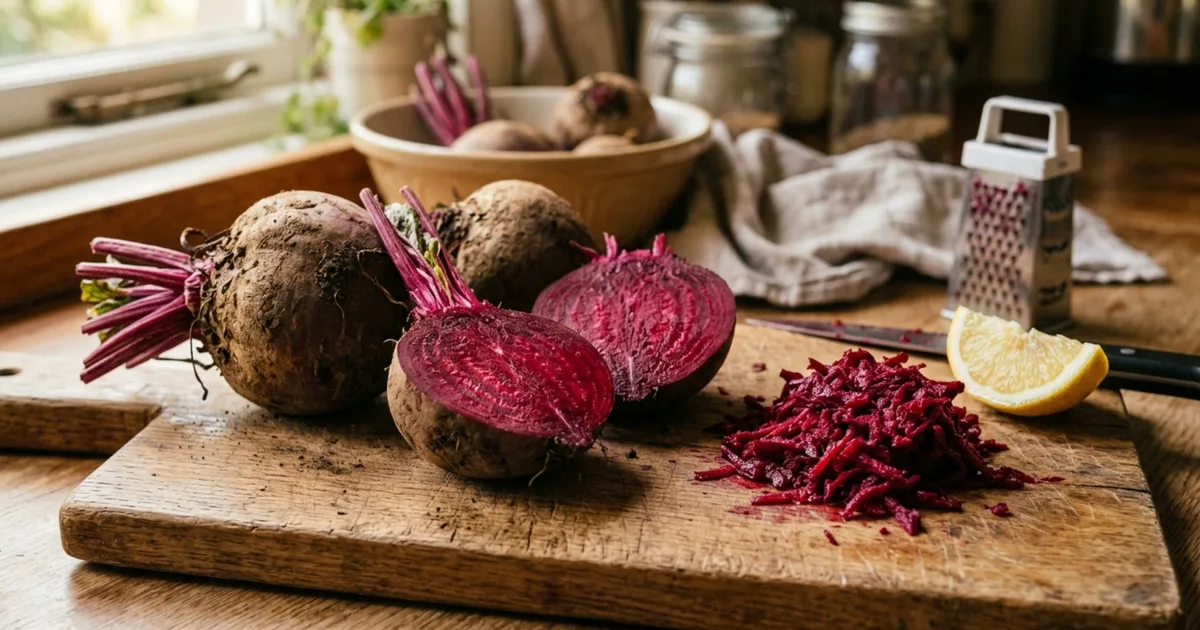
My tip: I squeeze lemon over grated raw beetroot salad, the same way my mother did without ever explaining why. Turns out she was right by instinct — it’s a genuinely useful pairing, not just a flavour choice.
How I actually use beetroot at home
Raw, grated beetroot tossed with lemon juice, a pinch of salt, and roasted peanuts is my most-made version — quick, and the lemon does real nutritional work alongside the flavour. Roasting whole beetroot (skin on, wrapped in foil, until a knife slides in easily) concentrates the natural sweetness and works well diced into a salad with feta or paneer. Juicing is the most popular way people reach for beetroot specifically for its nitrate content, since juice delivers a concentrated dose in a small volume — but you lose the fibre in the process, so I treat it as an occasional addition rather than a daily habit. Boiling is the gentlest method and the least likely to overcook the beets into mush, though it does leach some nutrients into the water, which is worth saving for stock or soup rather than discarding.
For how beetroot compares to other root vegetables, see our guide to the vegetables worth eating most often.
Frequently asked questions
Does beetroot really help with anaemia?
Not meaningfully on its own. Its iron content (0.8mg per 100g) is real but modest — well below lentils, spinach, or meat — and non-heme iron absorbs less efficiently besides. It can be a small contributor to overall iron intake, but it isn’t a treatment for diagnosed anaemia.
What is beetroot actually good for, then?
Its strongest evidence-backed benefit is nitrates and blood pressure. A meta-analysis of 16 randomized trials found a genuine, statistically significant reduction in systolic blood pressure from nitrate and beetroot juice supplementation.
Is beetroot juice better than eating beetroot whole?
For nitrate intake specifically, juice delivers a more concentrated dose. For overall nutrition, whole beetroot keeps the fibre that juicing removes — there’s a genuine trade-off depending on what you’re prioritising.
How can I improve iron absorption from beetroot?
Pair it with a vitamin C source in the same meal — lemon, tomato, bell pepper, or amla. This measurably improves how much non-heme iron your body absorbs, according to NIH guidance on iron absorption.
Is beetroot safe during pregnancy?
Yes, in normal food amounts as part of a varied diet. Its folate content is genuinely useful in pregnancy, alongside — not instead of — a prenatal vitamin. If you have low blood pressure or are on blood pressure medication, mention regular beetroot juice intake to your midwife or OB-GYN given its real effect on blood pressure.
Why do so many people believe beetroot cures anaemia?
Likely a mix of its deep red colour creating an intuitive (but inaccurate) link to blood, and long-standing food folklore across multiple cultures repeating the claim without anyone checking the actual iron numbers against other common foods.
References
- USDA FoodData Central — Beets, raw. fdc.nal.usda.gov
- Siervo M, Lara J, Ogbonmwan I, Mathers JC. (2013). Inorganic nitrate and beetroot juice supplementation reduces blood pressure in adults: a systematic review and meta-analysis. Journal of Nutrition, 143(6), 818–826. pubmed.ncbi.nlm.nih.gov
- NIH Office of Dietary Supplements — Iron: Fact Sheet for Health Professionals. ods.od.nih.gov
- Ministry of Health and Family Welfare, Government of India — National Family Health Survey (NFHS-5), 2019–21, as analysed in: Prevalence and determinants of anaemia among women of reproductive age in Aspirational Districts of India: an analysis of NFHS 4 and NFHS 5 data. BMC Public Health (2024). pmc.ncbi.nlm.nih.gov
Found this helpful?