Pomegranate Nutrition: Benefits, and the Iron Myth Explained
Key takeaways
- Pomegranate has about 83 calories per 100g and a genuinely useful amount of fibre and vitamin C.
- Pomegranate has around 0.31mg of iron per 100g — spinach has roughly 2.7mg, about 9 times more.
- The 'pomegranate is good for anemia' belief is real and widespread across Indian, Middle Eastern, and Mediterranean traditional medicine — but it isn't well supported by the actual iron content.
- Pomegranate's vitamin C can genuinely help absorb iron from other foods eaten in the same meal — a real, indirect benefit, just not the direct one usually assumed.
- Punicalagin, a compound concentrated in pomegranate, has real antioxidant research behind it, separate from the iron/anemia claim.
Source: USDA FoodData Central
Pomegranate came up constantly growing up whenever anyone mentioned anemia or low haemoglobin — it was simply understood as “good for blood,” the kind of advice repeated by relatives without anyone checking the actual numbers behind it. Looking into it properly turned out to be more interesting than a simple yes-or-no answer.
What’s actually in a pomegranate
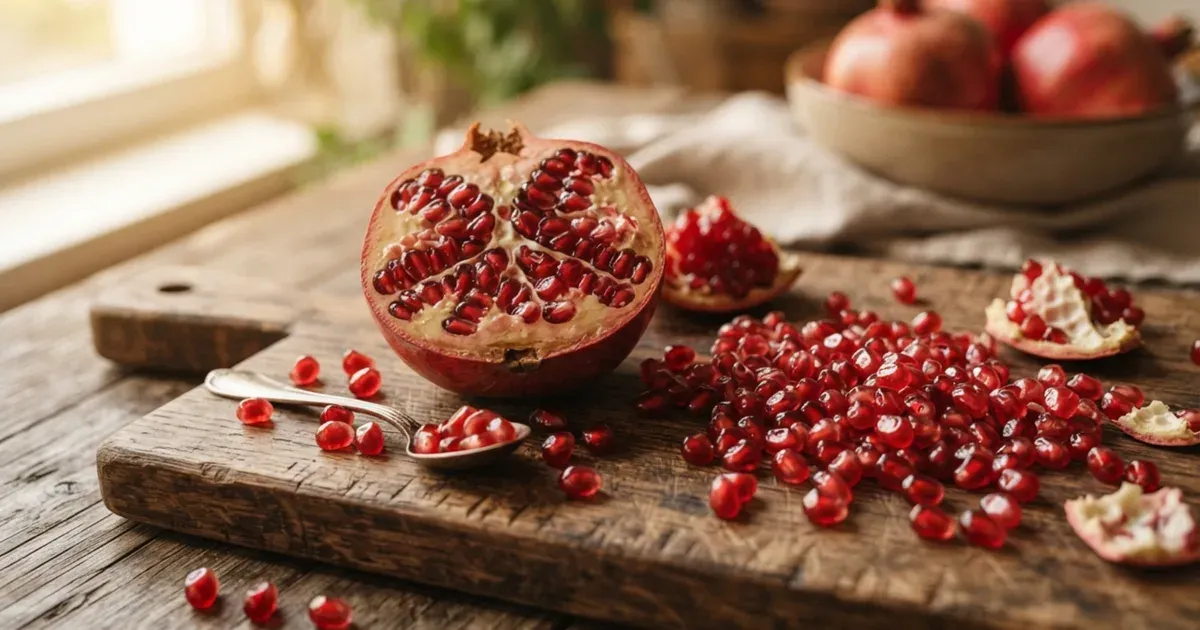
A 100g serving of pomegranate arils has about 83 calories, a genuinely useful amount of fibre (around 14% of a daily target), and a solid dose of vitamin C (roughly 11% of a daily target) — a reasonably well-rounded nutritional profile even before getting to the compound pomegranate is best known for in research circles.
The iron myth, addressed directly
This is worth correcting clearly, because the belief is genuinely widespread: pomegranate has about 0.31mg of iron per 100g. Spinach, by comparison, has roughly 2.7mg per 100g — about nine times more. The “pomegranate builds blood” idea has real roots in Ayurvedic and Unani medicine, partly tied to the fruit’s deep red color being symbolically associated with blood, and it’s repeated across Indian, Middle Eastern, and Mediterranean traditional food culture. But by the actual numbers, pomegranate is not a meaningfully iron-rich food, and there isn’t solid clinical evidence that eating pomegranate alone raises haemoglobin or treats anemia.
Where the myth has a grain of real truth
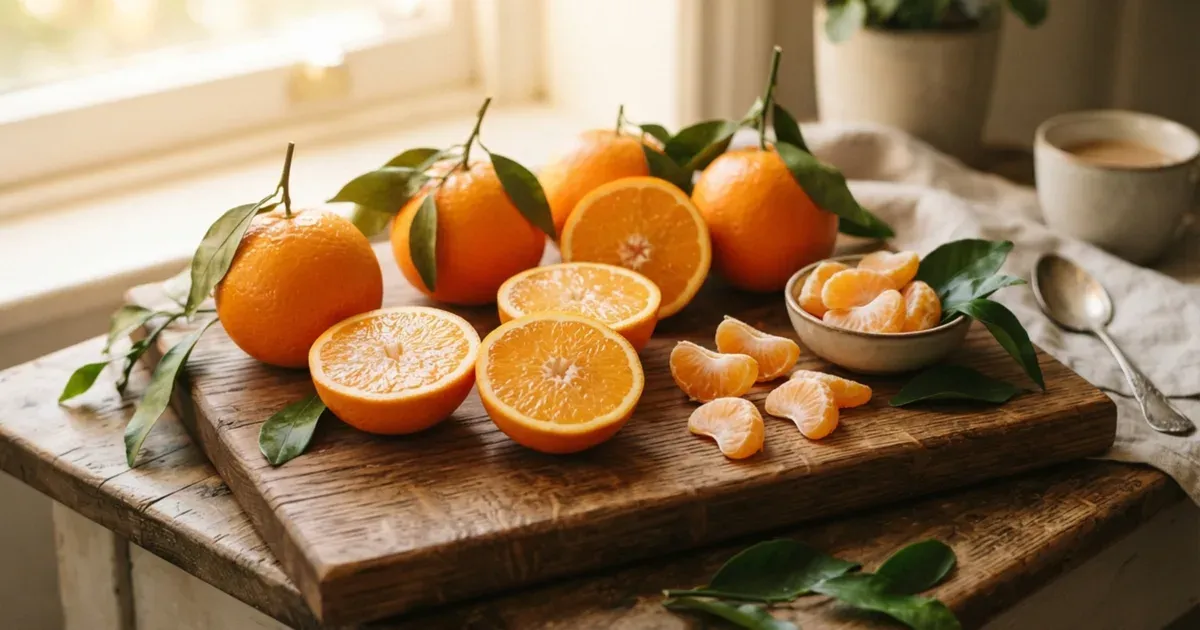
Pomegranate’s genuine, indirect connection to iron isn’t its own iron content — it’s the vitamin C. Vitamin C measurably improves how well your body absorbs non-heme iron (the type found in plant foods like lentils, chickpeas, and leafy greens like spinach), so eating pomegranate alongside an iron-rich meal is a real, useful pairing. This is a meaningfully different claim from “pomegranate is high in iron” — it’s more accurate to say pomegranate helps you use the iron from other foods better, the same mechanism behind pairing citrus fruit with a vegetarian iron source.
The compound that actually has real research behind it
Pomegranate is a concentrated source of ellagitannins, particularly punicalagin — compounds with genuine antioxidant research behind them, including evidence for reducing markers linked to heart disease risk by scavenging free radicals. This is a real, separate area of legitimate research interest — worth knowing about on its own terms, rather than needing the (unsupported) iron/anemia claim to make pomegranate worth eating.
Other things worth knowing
Pomegranate juice vs. whole arils. As with most fruit, the whole arils carry fibre that juice loses in processing — worth choosing whole fruit over juice for the same reasons covered for orange.
Pomegranate during pregnancy. Pomegranate is a genuinely reasonable pregnancy fruit — the vitamin C content supports iron absorption from other foods in the same meal, which is exactly the mechanism worth relying on rather than the iron-myth framing. If you’re managing gestational diabetes, our guide to foods and drinks to limit or avoid during pregnancy covers general fruit-portion guidance.
The biggest misconception about pomegranate
Treating pomegranate as a direct anemia treatment because of its color and cultural reputation, rather than its actual nutrient content, is the exact kind of well-intentioned but incorrect health belief worth gently correcting. The honest version is more useful anyway: pomegranate genuinely helps you absorb iron better from what else you’re eating, and it carries real, separately interesting antioxidant compounds — a legitimate, evidence-based reason to eat it that doesn’t need an inflated iron claim attached.
How I actually use pomegranate at home
Scattered over a bowl of yoghurt or a simple salad, pomegranate arils add both a genuine textural crunch and the vitamin C pairing benefit if there’s anything iron-rich in the same meal — a lentil-based dish, for instance. Removing the arils cleanly from the whole fruit under water in a bowl keeps the juice from staining everything nearby, which was the single most useful tip I picked up once I started buying pomegranate regularly.
My tip: Cut the pomegranate in quarters and submerge the pieces in a bowl of water before separating the arils with your fingers — the seeds sink and the white pith floats, making cleanup dramatically easier than doing it dry.
Frequently asked questions
Is pomegranate actually good for anemia?
Not directly — pomegranate has significantly less iron than commonly assumed, roughly nine times less than spinach. Its real, indirect benefit is its vitamin C content, which helps your body absorb iron better from other foods eaten in the same meal.
Why does everyone say pomegranate is good for blood?
It’s a widespread traditional belief across Indian, Middle Eastern, and Mediterranean food culture, partly tied to the fruit’s deep red color being symbolically linked to blood. It isn’t well supported by the fruit’s actual iron content.
What is punicalagin, and is it worth knowing about?
It’s an antioxidant compound concentrated in pomegranate, with real research behind it for reducing markers linked to heart disease risk — a legitimate, separate reason to eat pomegranate that doesn’t depend on the iron myth.
Should I drink pomegranate juice or eat the whole arils?
Whole arils are the better choice when possible, since juicing removes much of the fibre — the same reasoning that applies to most fruit.
Is pomegranate good to eat during pregnancy?
Yes — its vitamin C content genuinely helps absorb iron from other foods in the same meal, which is a real, useful benefit during pregnancy given increased iron needs.
References
- USDA FoodData Central — Pomegranates, raw.
- Apollo 247 — Pomegranates for Anaemia: How They Boost Iron Naturally. apollo247.com
Found this helpful?