Vegetable Nutrition
Comprehensive nutrition guides for every vegetable — iron, folate, vitamins, antioxidants, and the research-backed reasons to eat more of them. No fluff, just what the evidence actually shows.
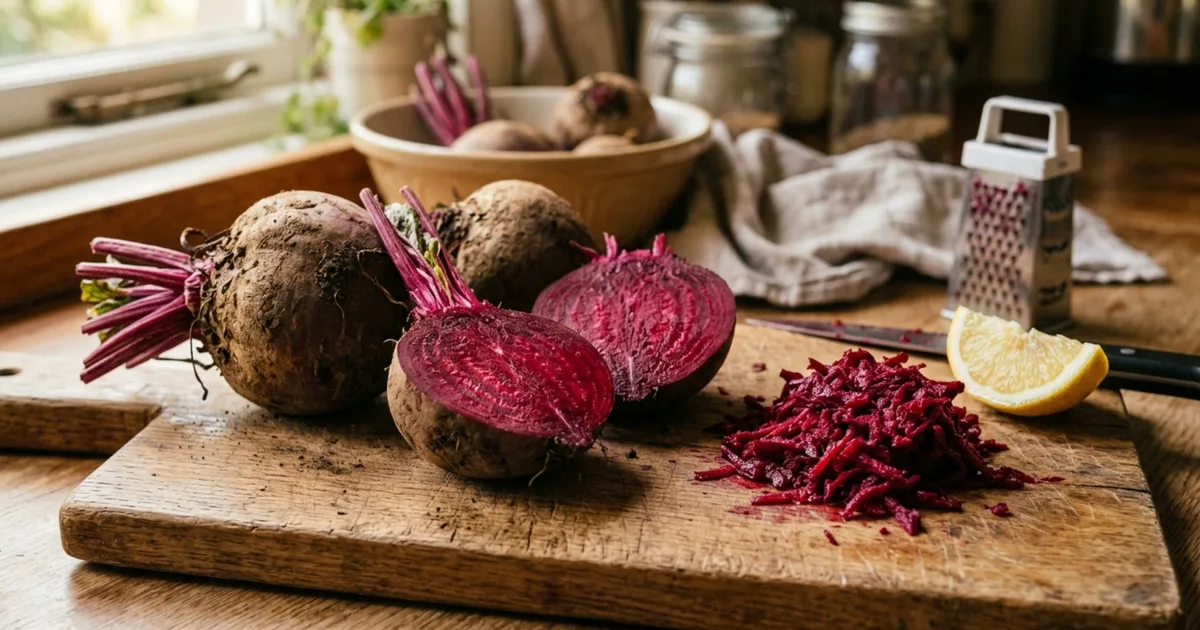
Beetroot Nutrition: The Iron and Anaemia Claim, Fact-Checked
Beetroot is often sold as an anaemia fix, but its iron content is modest. Here's what the evidence actually supports, with real USDA data and citations.
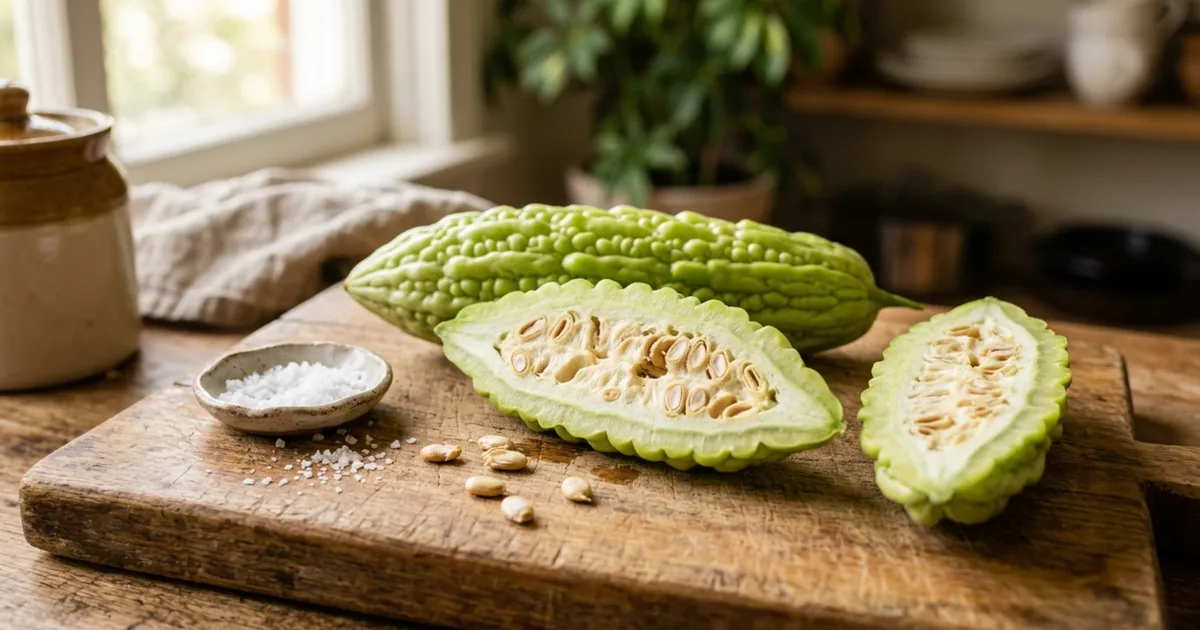
Bitter Gourd (Karela) and Blood Sugar: What the Research Really Shows
Karela is widely believed to control diabetes. Here's what clinical research actually shows about bitter gourd, blood sugar, and medication interactions.
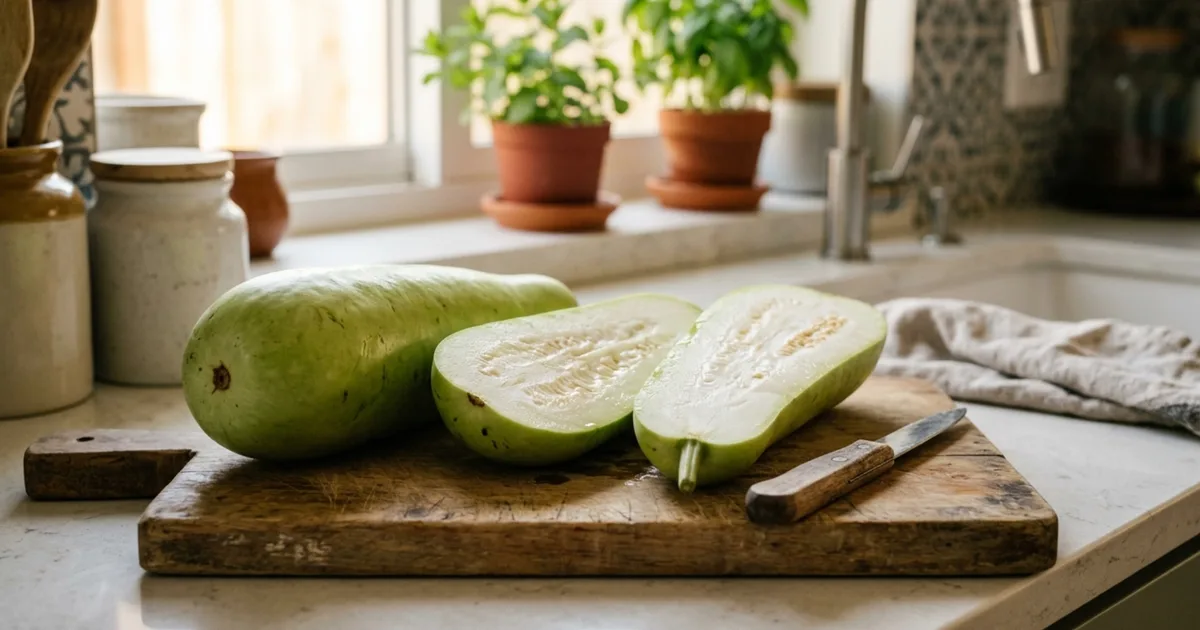
Bottle Gourd (Lauki): Nutrition, and the Weight-Loss Juice Myth
Lauki juice for weight loss is repeated in almost every Indian household — the real story is more about what bottle gourd isn't than what it magically does.
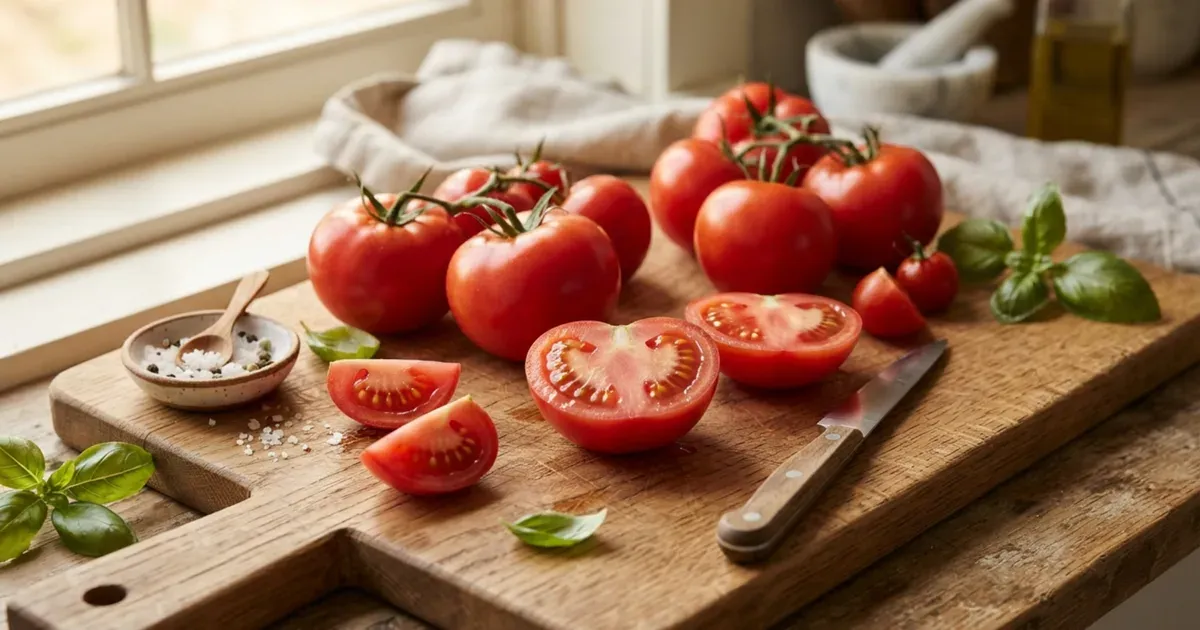
Tomatoes: Nutrition, and the Lycopene Cooking Effect
A real study found cooking tomatoes in oil increased lycopene absorption by 82% — without the oil, the increase was barely measurable at all.
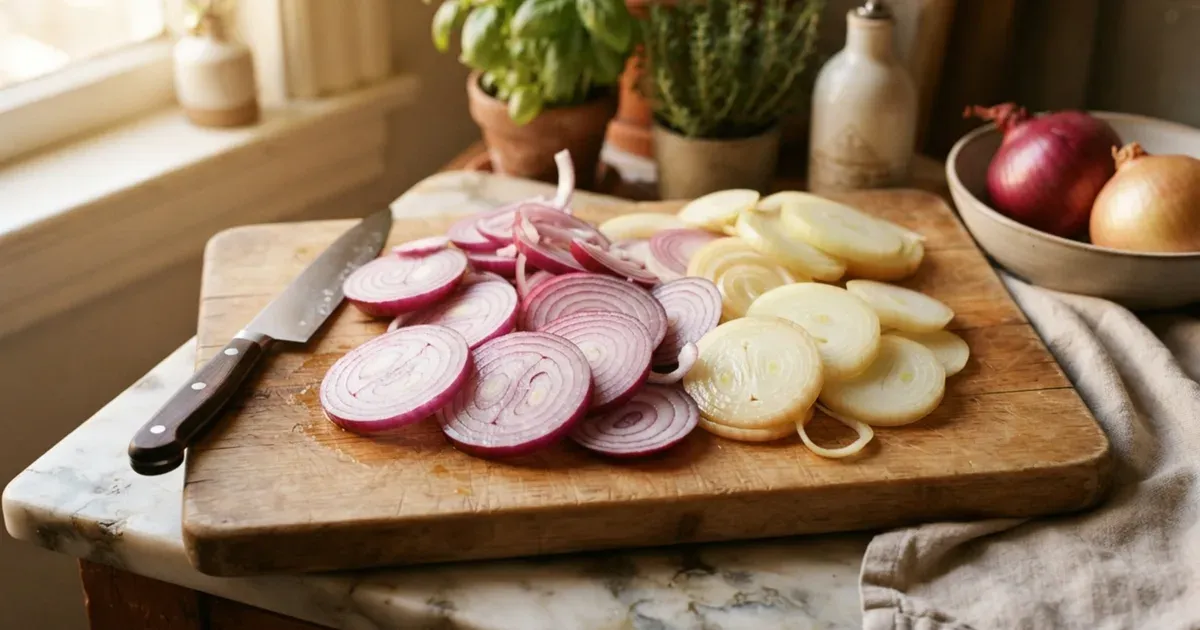
Onion: Nutrition, and the Real Reason It Makes You Cry
Onion's quercetin absorbs into your body twice as well as the same compound from tea — but the real science story is why cutting one makes you cry.
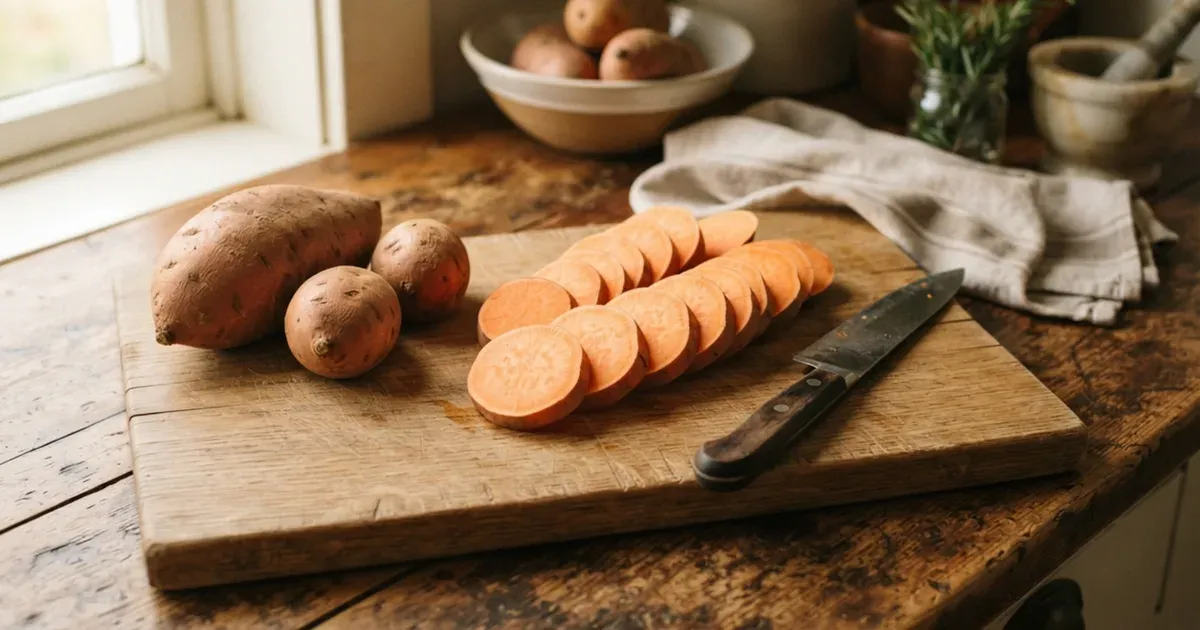
Sweet Potato: Nutrition, and the Glycemic Index Myth
'Sweet potato is always lower GI than regular potato' isn't quite true — how you cook it changes the number more than which potato you pick.
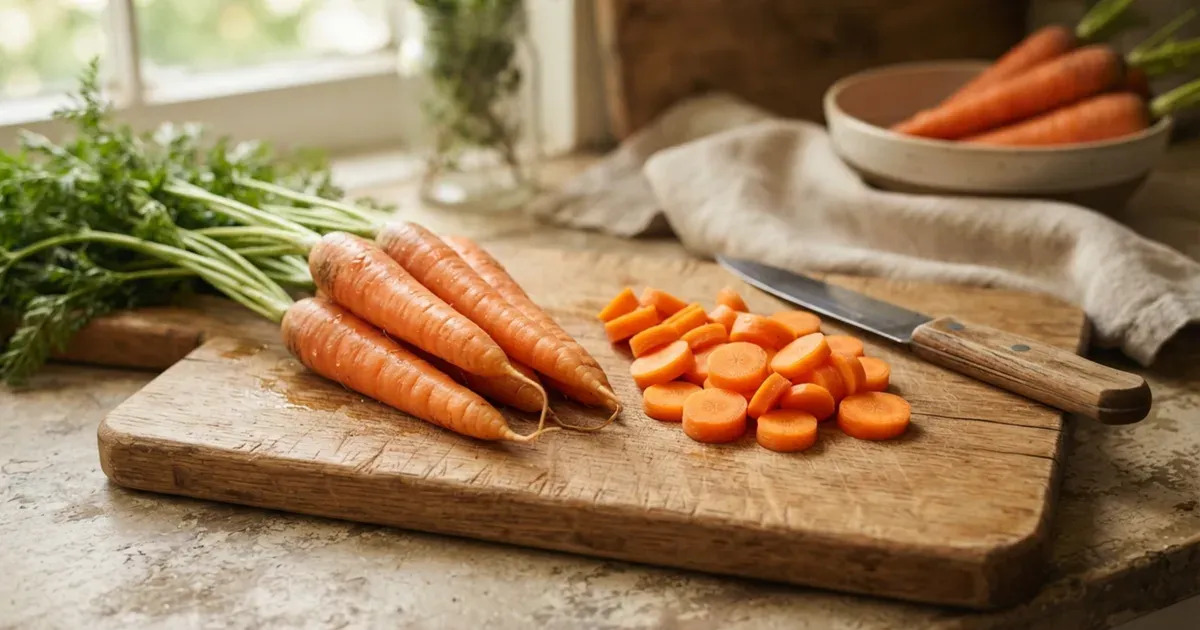
Carrots: Nutrition, and Why Cooked Actually Beats Raw
A real study found women absorbed 3x more beta-carotene from cooked carrots than raw ones — the opposite of what 'raw is always healthier' assumes.

Garlic: Nutrition, and Why Crushing It Right Actually Matters
Crushing garlic and letting it sit for 5-10 minutes before cooking genuinely changes its chemistry — boiling it straight away can cut its allicin by 90%.
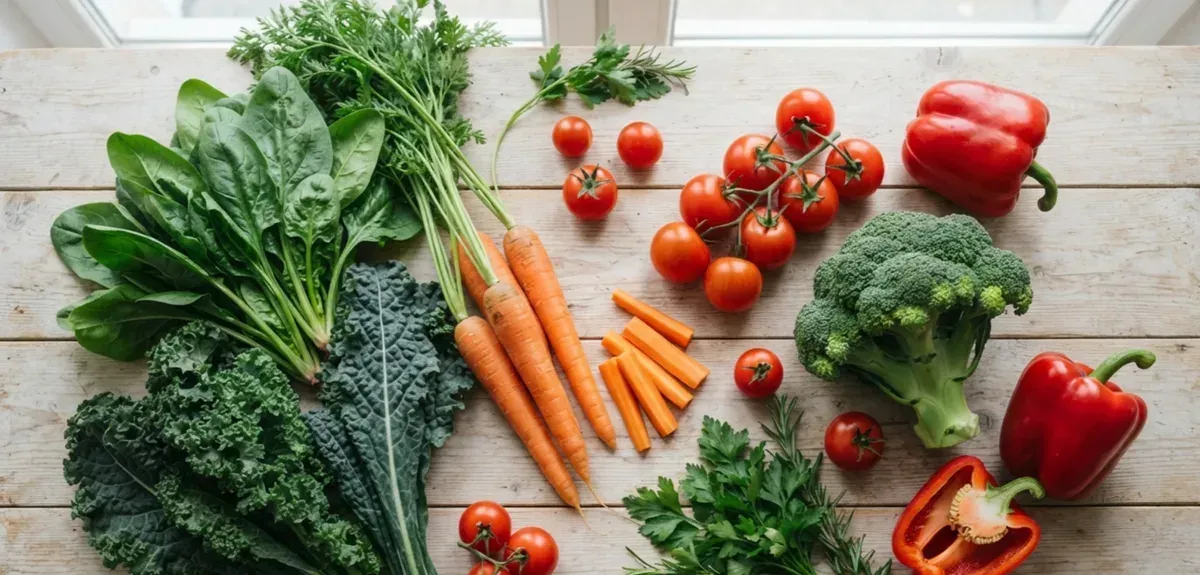
The Vegetables Worth Eating Most Often, and What Each One Actually Does
Twenty vegetables worth keeping in regular rotation, grouped by what they actually offer — with the honest research, not the usual vague claims.
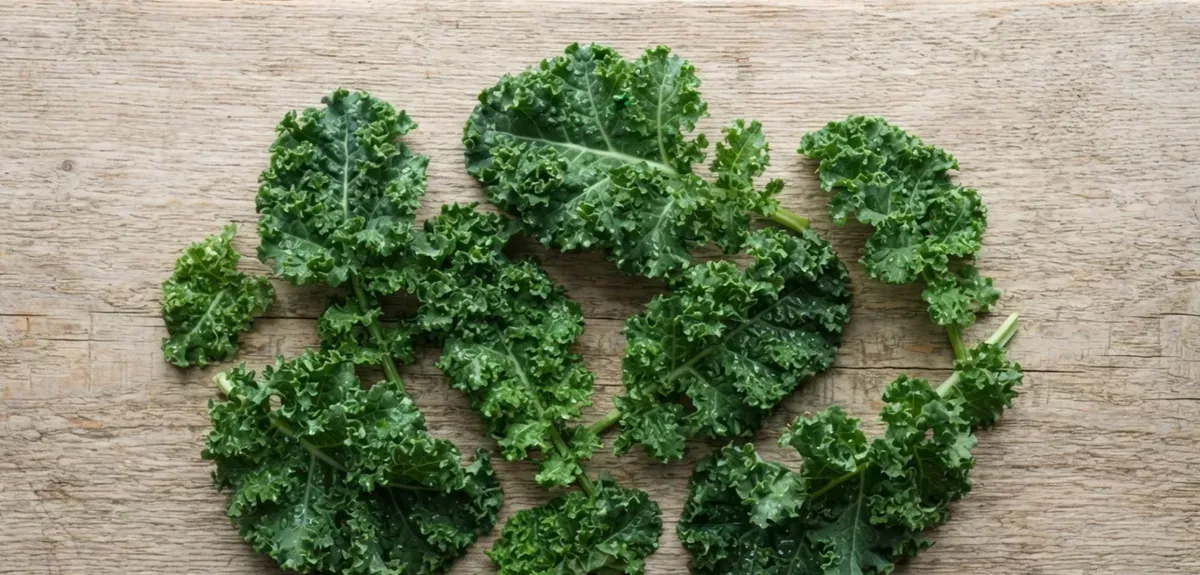
Kale Nutrition: Why Its Calcium Beats Spinach, and the Vitamin K Warning
Kale's calcium is absorbed far better than spinach's, thanks to lower oxalate content — but its huge vitamin K load matters if you're on blood thinners.
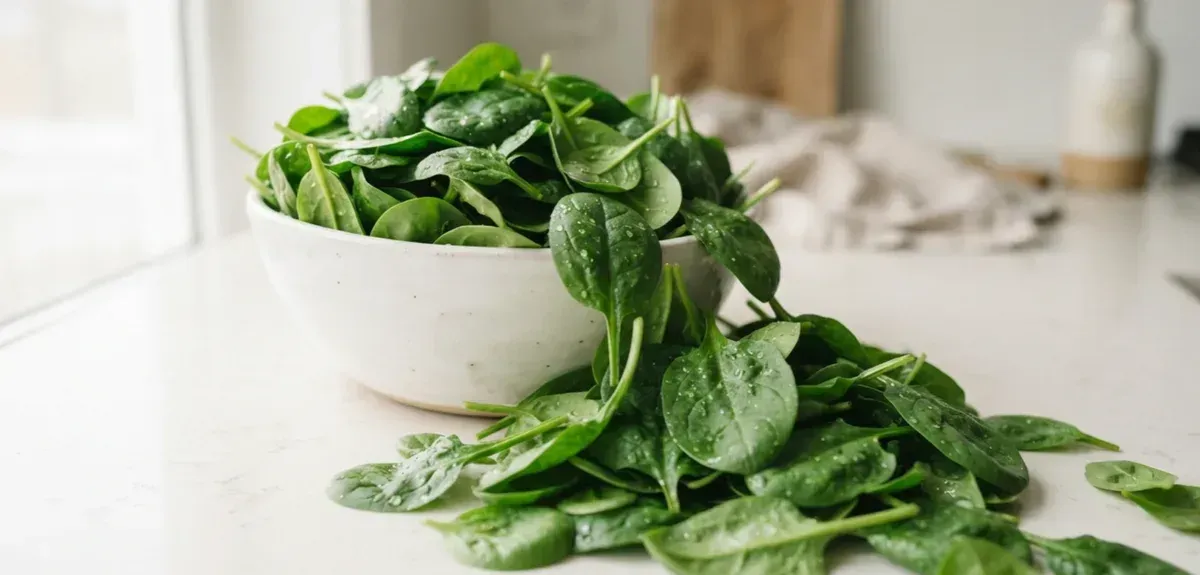
Spinach: Nutrition Facts, Health Benefits, and How to Use It
Spinach packs iron, folate, and nitrates worth knowing about — plus a few real risks. Here's the full nutrition picture, USDA data, and how to cook it right.
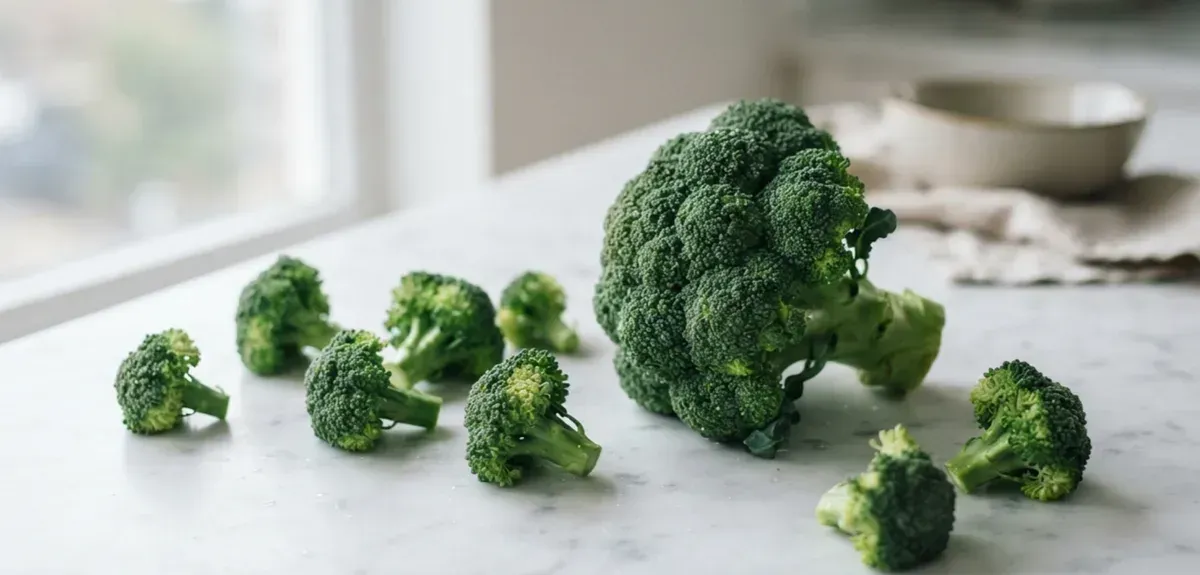
Broccoli Nutrition: Sulforaphane, and Why How You Cook It Matters
Broccoli's most-researched compound, sulforaphane, can drop by 90% depending on how you cook it. Here's the science, plus the thyroid myth worth retiring.