Nutrition
Honest, research-backed guides on what foods actually do for your body. From bananas to superfoods, every article is grounded in primary sources and written from real experience.
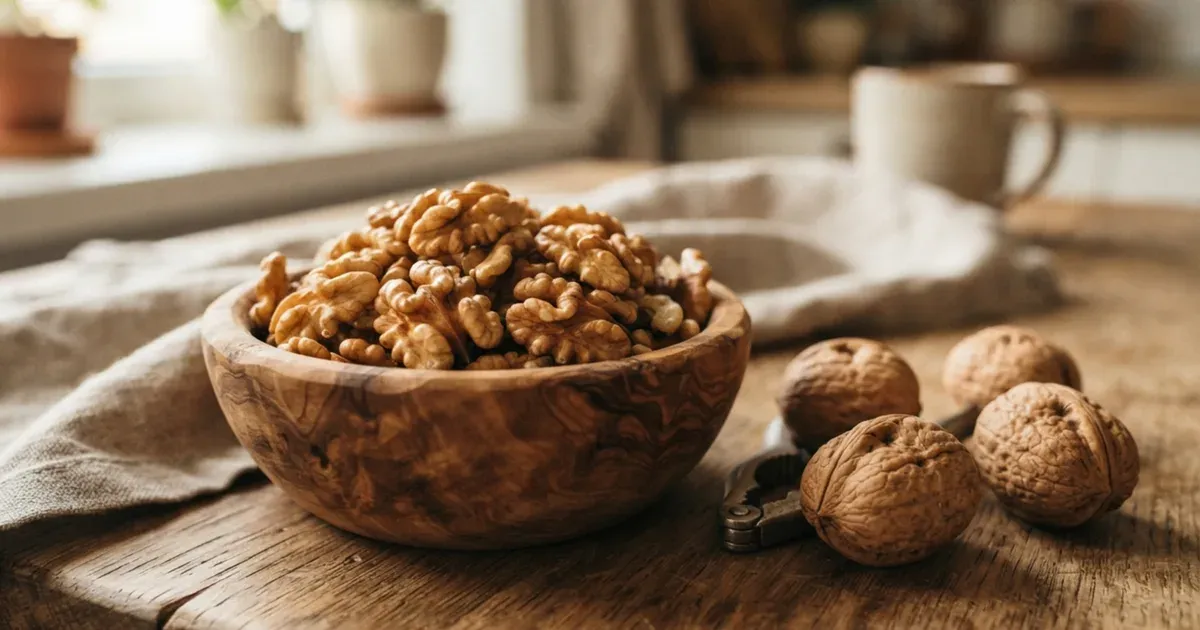
Walnuts: Nutrition, and the Brain-Shaped Coincidence
Walnuts really do resemble a brain, and that's genuinely a coincidence — but the actual cognitive research behind them is real, if not yet fully settled.
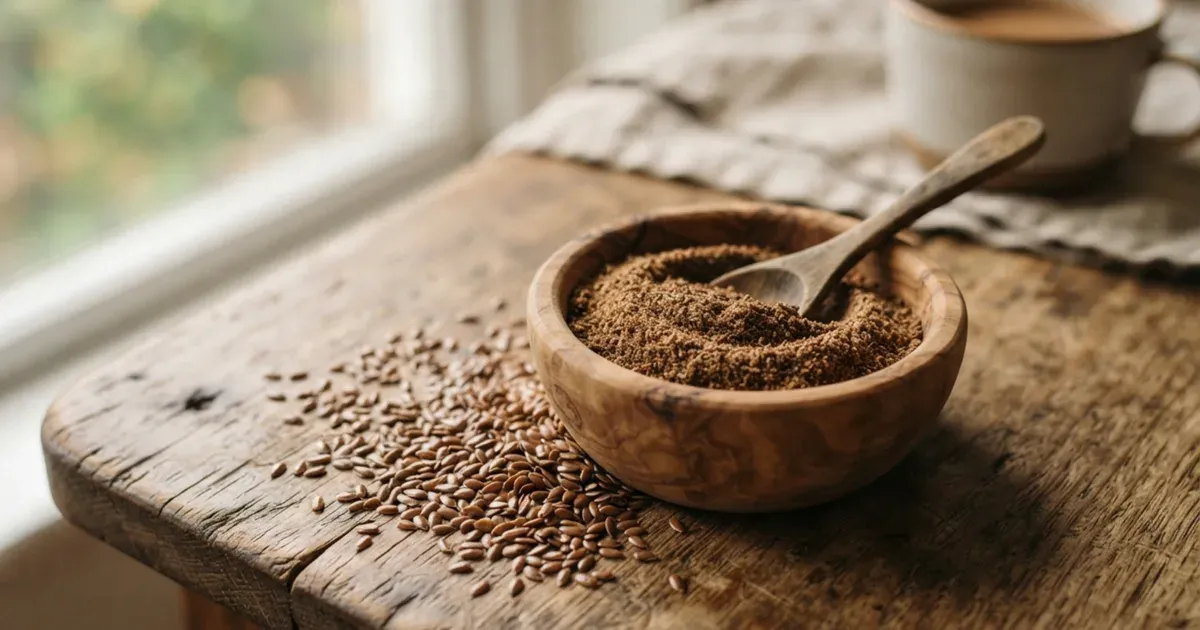
Flaxseed: Nutrition, Lignans, and Why Whole Seeds Mostly Pass Through You
Whole flaxseed's hard shell means most of it can pass through your digestive system undigested — grinding it first genuinely changes what you actually absorb.

Lentils (Dal): Nutrition, Protein, and Why Dal-Chawal Actually Works
Dal-chawal isn't just tradition — rice and lentils genuinely form a complete protein together, and real research explains exactly why.
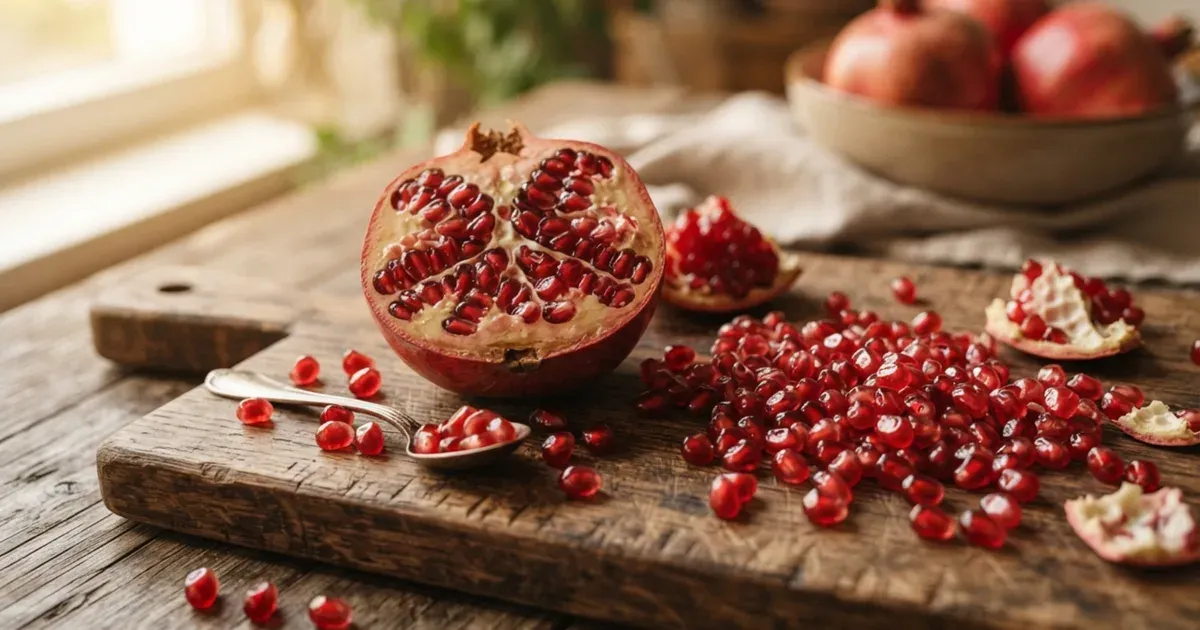
Pomegranate Nutrition: Benefits, and the Iron Myth Explained
Pomegranate has 9 times less iron than spinach — the 'good for anemia' belief is popular but not what the actual numbers show. Here's the real picture.

Chia Seeds: Nutrition, and the Weight Loss Claim Checked
Chia seeds absorb up to 12x their weight in water, but the real research shows a specific catch most 'chia for weight loss' content leaves out.
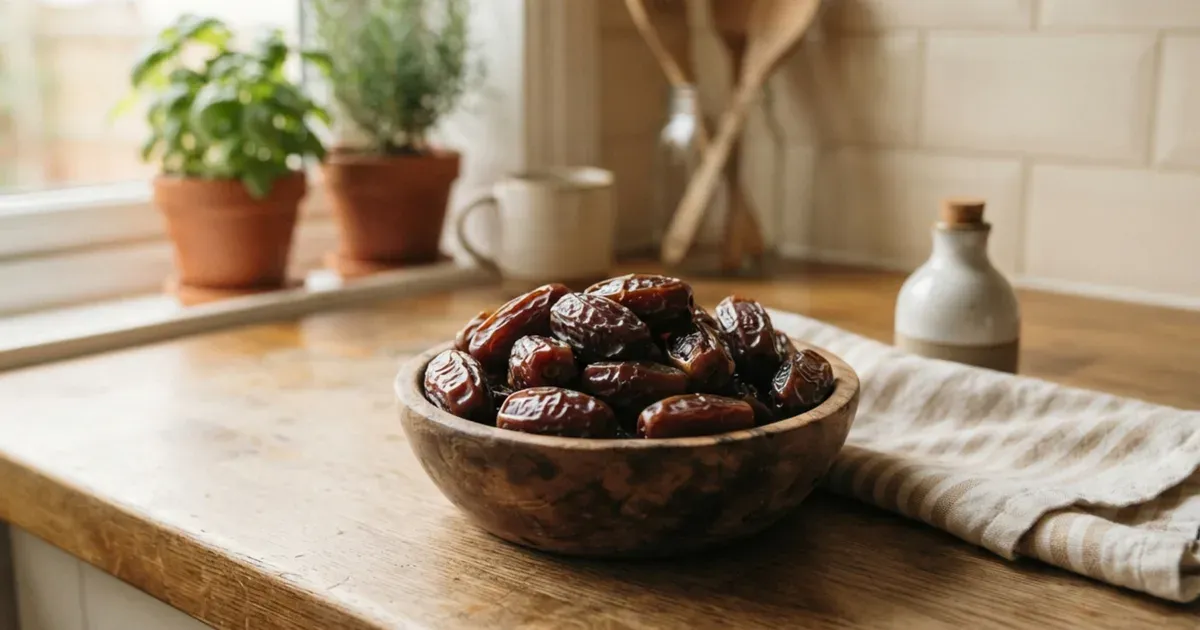
Dates: Nutrition, Benefits, and the Real Story on Blood Sugar
Dates taste like candy but have a genuinely low glycemic index — here's the real research, including what a proper clinical trial actually found.
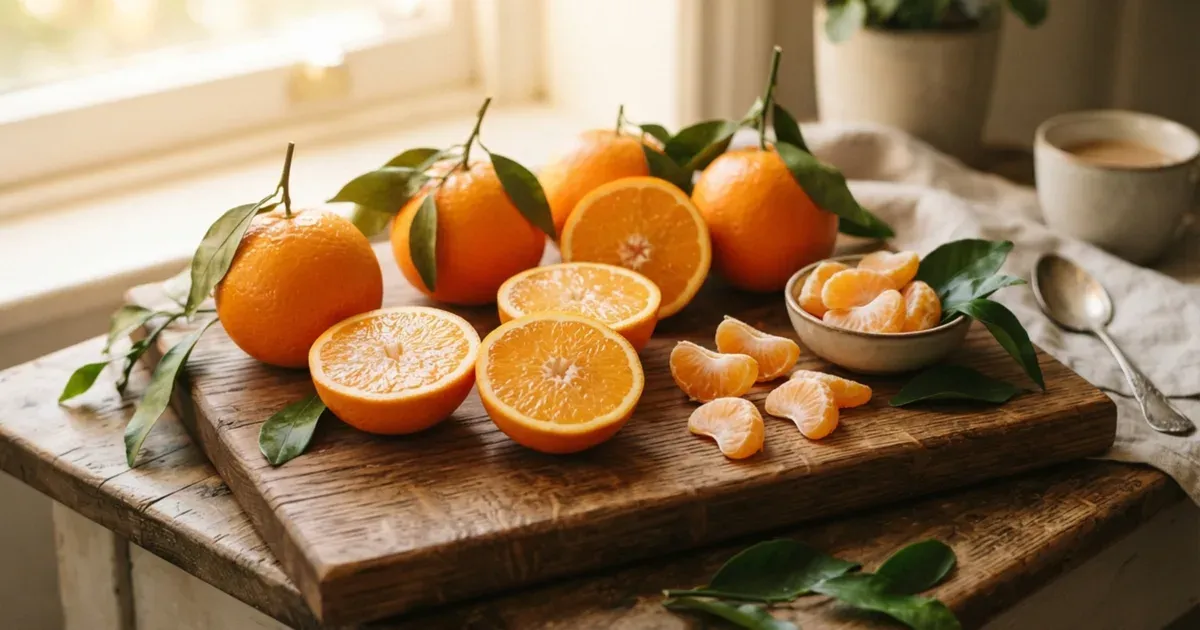
Orange Nutrition: Benefits, Risks, and How Many to Eat
A whole orange has 6x the fiber of a glass of orange juice, and it genuinely changes how your body handles the same sugar. Here's the real research.
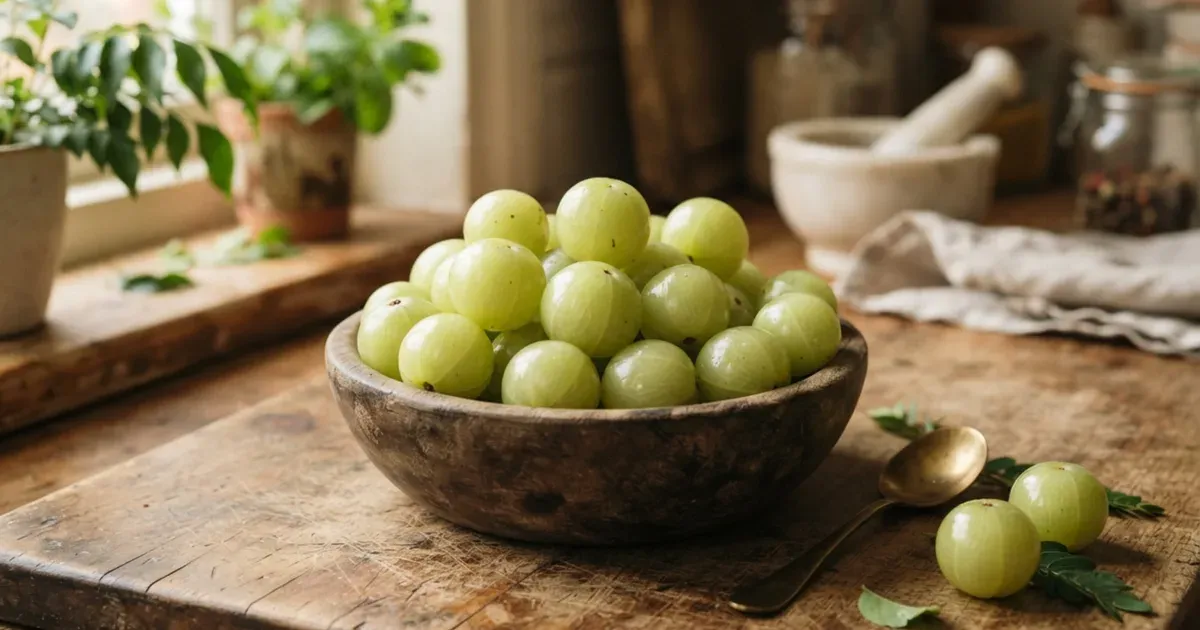
Amla (Indian Gooseberry): Nutrition and Real Benefits
Amla has roughly 10x the vitamin C of an orange — and unlike most fruit, its vitamin C survives cooking and drying. Here's the real research.
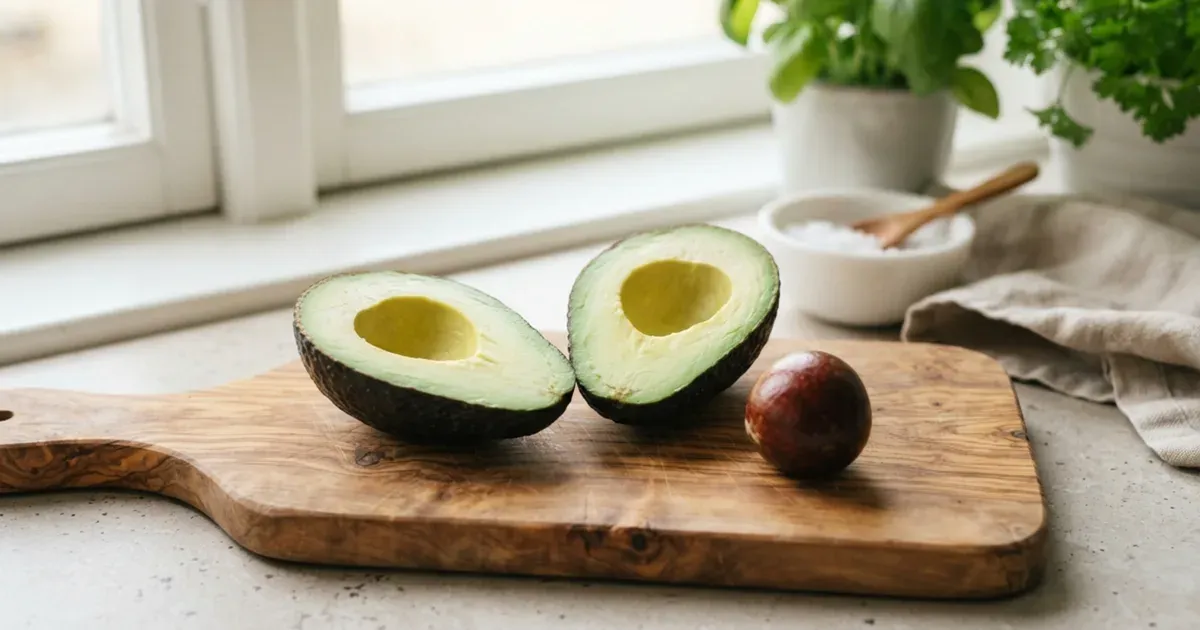
Avocado Nutrition: Benefits, and the Real Risk Nobody Mentions
Avocado's fat genuinely boosts vitamin absorption from other foods by up to 15x — but there's a real injury risk in cutting one that hospitals actually track.
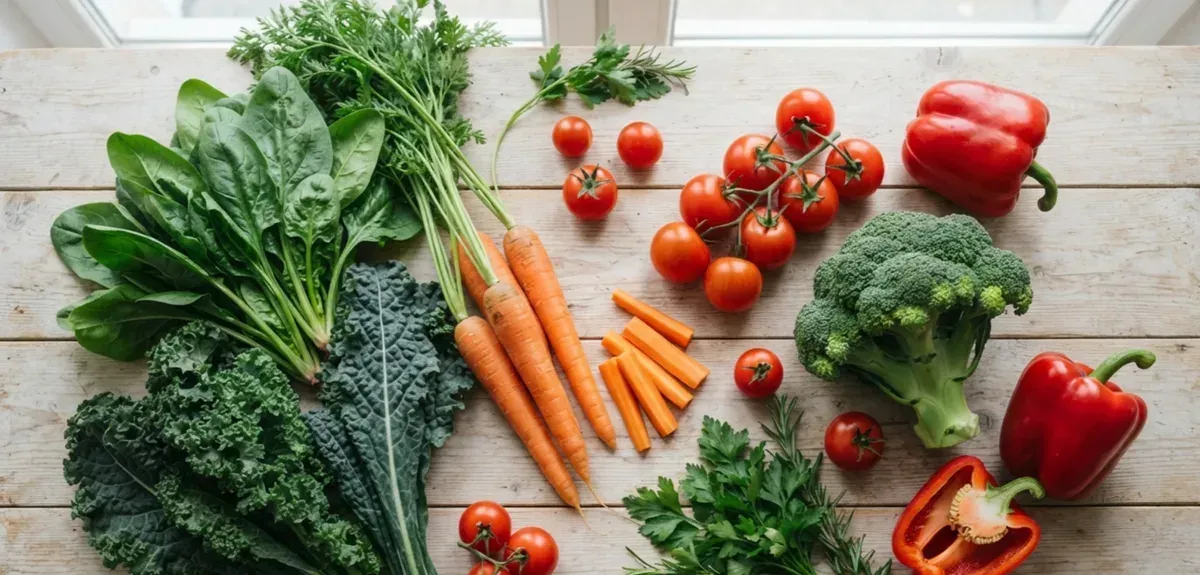
The Vegetables Worth Eating Most Often, and What Each One Actually Does
Twenty vegetables worth keeping in regular rotation, grouped by what they actually offer — with the honest research, not the usual vague claims.
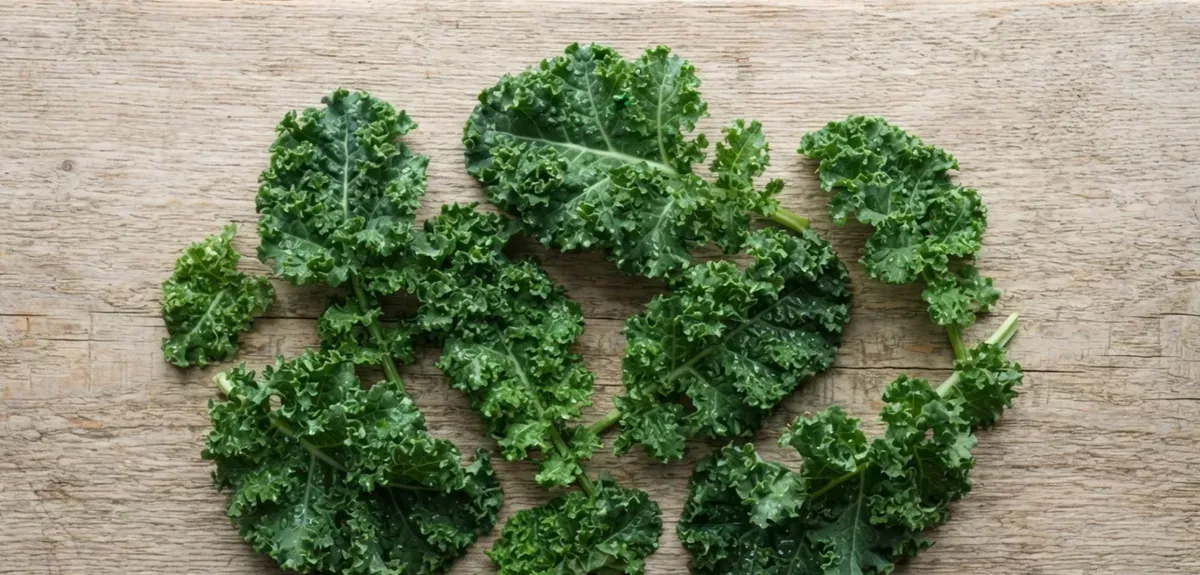
Kale Nutrition: Why Its Calcium Beats Spinach, and the Vitamin K Warning
Kale's calcium is absorbed far better than spinach's, thanks to lower oxalate content — but its huge vitamin K load matters if you're on blood thinners.
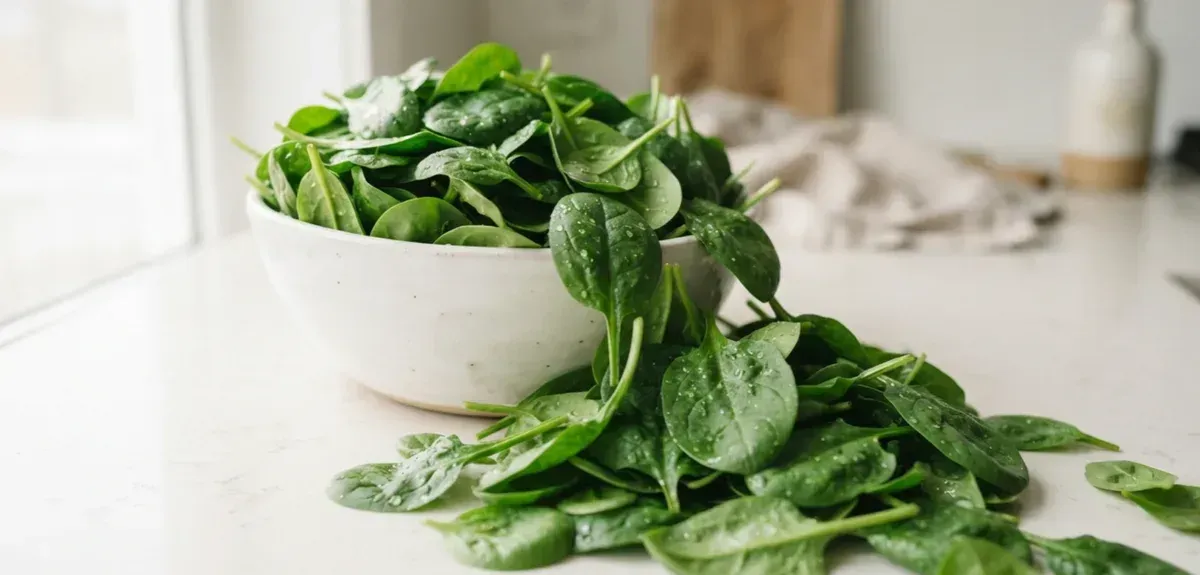
Spinach: Nutrition Facts, Health Benefits, and How to Use It
Spinach packs iron, folate, and nitrates worth knowing about — plus a few real risks. Here's the full nutrition picture, USDA data, and how to cook it right.